High-temperature reactors and high-purity ceramic crucibles function as a unified system to establish the precise thermodynamic conditions required for the molten salt synthesis of LaFeO3 perovskite coatings. The reactor maintains a stable 600 °C temperature and enables CO2 bubbling to regulate chemical equilibrium, while the ceramic crucible provides an inert barrier that prevents contamination. This controlled environment facilitates a heterogeneous reaction where iron diffuses from the substrate to react with dissolved lanthanum oxide, forming a uniform, high-purity coating.
Core Takeaway: The success of this conversion method relies on the "inert containment" provided by the crucible and the "equilibrium control" provided by the reactor. Together, they create a stable liquid carbonate medium that allows substrate iron and dissolved lanthanum to synthesize into LaFeO3 without introducing impurities that would degrade the material's properties.
The Role of the High-Temperature Reactor
The reactor is not merely a heating element; it is an active control system that manages the thermodynamics of the molten salt bath.
Precise Thermal Regulation
The reactor maintains the process at a specific operating temperature, typically 600 °C. This thermal energy is necessary to keep the carbonate salts in a stable liquid state, ensuring the bath has the viscosity and fluidity required for the reaction to proceed.
Chemical Equilibrium via CO2
A critical feature of the reactor system is its ability to facilitate gas injection. By bubbling CO2 through the molten salt, the reactor regulates the chemical equilibrium of the liquid. This prevents the carbonate melt from decomposing and ensures the chemical environment remains consistent throughout the duration of the coating process.
The Critical Function of Ceramic Crucibles
While the reactor manages energy and atmosphere, the crucible acts as the guardian of chemical purity.
Ensuring Chemical Inertness
The process utilizes crucibles made from high-purity ceramics (such as high-purity alumina). These materials are chosen for their exceptional chemical inertness. They resist reacting with the aggressive molten salt environment, which is essential when working with reactive elements like lanthanides or alkaline earth metals.
Preserving Stoichiometry
Because the crucible does not react with the raw materials, it prevents cross-contamination. Standard containers might leach elements into the melt or absorb reagents, altering the chemical balance. High-purity ceramics ensure the synthesized products maintain an accurate stoichiometric ratio, which is vital for achieving the predicted electrical conductivity in the final perovskite layer.
Mechanism of Layer Formation
The combination of the reactor's stability and the crucible's purity enables a specific, delicate reaction mechanism.
The Heterogeneous Reaction
The setup creates an environment that supports a heterogeneous reaction. This means the reactants exist in different phases—the solid substrate and the liquid melt—yet interact seamlessly at the interface.
Outward Diffusion of Iron
In this stable environment, iron atoms from the stainless steel substrate diffuse outward. Simultaneously, lanthanum oxide is dissolved within the molten salt.
Synthesis of Uniform LaFeO3
As the iron reaches the surface, it reacts with the dissolved lanthanum oxide. Because the environment is free of impurities and chemically balanced, these elements combine to form a uniform LaFeO3 perovskite layer directly on the substrate surface.
Understanding the Trade-offs
While this method is effective, it relies heavily on material compatibility and strict process control.
Material Selection Sensitivity
The efficacy of the crucible is defined by its purity. Using lower-grade ceramics can lead to the formation of impurity phases. Even minor contamination from container components can disrupt the perovskite structure, rendering the coating less effective for high-performance applications.
Complexity of Equilibrium
The reactor's role in CO2 bubbling introduces complexity. If the CO2 flow is inconsistent, the chemical equilibrium of the molten salt can shift. This instability may lead to non-uniform coatings or incomplete reactions, highlighting the need for precise instrumentation.
Making the Right Choice for Your Project
To ensure high-quality LaFeO3 coatings, you must match your equipment specifications to your chemical requirements.
- If your primary focus is coating purity: Prioritize high-purity ceramic crucibles (e.g., alumina) to eliminate any risk of the vessel reacting with lanthanides and altering the coating's stoichiometry.
- If your primary focus is reaction stability: Ensure your reactor system is capable of precise temperature maintenance at 600 °C and provides consistent CO2 bubbling to stabilize the carbonate melt.
By harmonizing the inertness of the containment vessel with the atmospheric control of the reactor, you ensure the reproducible synthesis of high-performance perovskite interfaces.
Summary Table:
| Component | Role in Molten Salt Synthesis | Key Feature |
|---|---|---|
| High-Temperature Reactor | Thermal & Chemical Control | Maintains 600°C stability and manages CO2 bubbling for equilibrium. |
| Ceramic Crucible | Inert Containment | High-purity alumina prevents cross-contamination and preserves stoichiometry. |
| Molten Salt Medium | Reaction Environment | Provides a liquid carbonate bath for heterogeneous reaction between reactants. |
| CO2 Bubbling | Equilibrium Regulation | Prevents carbonate decomposition and ensures consistent chemical conditions. |
Elevate Your Advanced Material Research with KINTEK
Precision in perovskite coating requires equipment that can withstand aggressive chemical environments while maintaining absolute purity. KINTEK specializes in high-performance laboratory solutions designed for rigorous research standards.
Our extensive portfolio includes:
- High-Temperature High-Pressure Reactors & Autoclaves for precise thermodynamic control.
- High-Purity Ceramic Crucibles (Alumina, Zirconia, etc.) to ensure zero contamination.
- Muffle, Tube, and Atmosphere Furnaces for stable thermal processing.
- Specialized Consumables, including PTFE products and advanced ceramics.
Whether you are developing SOFC components or advanced electronic materials, KINTEK provides the reliability your lab demands. Contact us today to find the perfect equipment for your synthesis workflow!
References
- Jyrki Mikkola, Olivier Thomann. Protective Coatings for Ferritic Stainless Steel Interconnect Materials in High Temperature Solid Oxide Electrolyser Atmospheres. DOI: 10.3390/en15031168
This article is also based on technical information from Kintek Solution Knowledge Base .
Related Products
- Customizable Laboratory High Temperature High Pressure Reactors for Diverse Scientific Applications
- High Pressure Laboratory Autoclave Reactor for Hydrothermal Synthesis
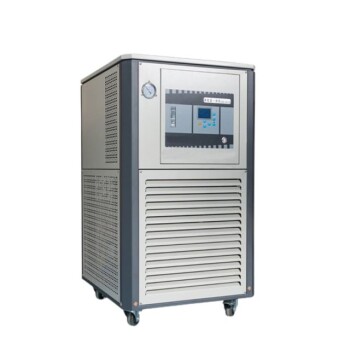
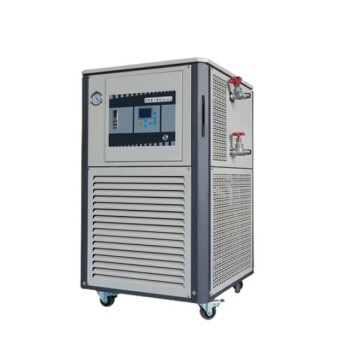
- High Temperature Constant Temperature Heating Circulator Water Bath Chiller Circulator for Reaction Bath
- 1700℃ Laboratory High Temperature Tube Furnace with Alumina Tube
- 1200℃ Split Tube Furnace with Quartz Tube Laboratory Tubular Furnace
People Also Ask
- How do high-pressure and high-temperature reactors ensure the effective treatment of lignocellulosic wastewater in WAO?
- What equipment is required for high-pressure high-temperature reactions? Master Extreme Chemistry Safely
- How do you control high pressure in a reactor? A Guide to Safe & Stable Operation
- Why is argon better than nitrogen for inert atmosphere? Ensure Absolute Reactivity & Stability
- How does initial oxygen pressure affect the wet oxidation of pharmaceutical sludge? Master Your Oxidation Depth