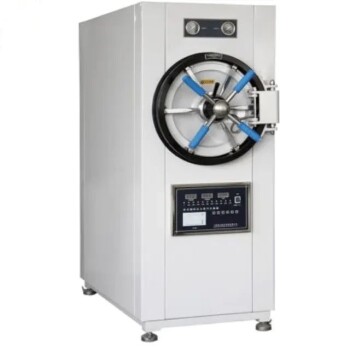
The synergistic combination of a stainless steel autoclave and a polytetrafluoroethylene (PTFE) liner creates the precise thermodynamic and chemical environment required to synthesize titanium dioxide nanotubes. The stainless steel exterior provides the structural integrity to withstand high pressures, while the PTFE liner creates a chemically inert barrier. This configuration enables the safe containment of highly corrosive 10M sodium hydroxide solutions at 160°C, facilitating the dissolution of spherical titanium particles and their subsequent recrystallization into nanotube structures.
Core Takeaway The stainless steel vessel acts as the pressure containment system, but the PTFE liner is the functional enabler of the chemistry. It permits the use of strong alkaline solvents that would otherwise corrode the steel and contaminate the sample, allowing for the harsh hydrothermal conditions necessary to restructure granular titanium into nanotubes.
The Role of the Stainless Steel Exterior
Containing High Pressure and Temperature
The primary function of the stainless steel shell is to provide a sealed, robust reaction environment.
Hydrothermal synthesis requires conditions that exceed standard atmospheric limits. The steel body allows the system to reach and maintain the elevated pressures generated when the solution is heated to 160°C.
Accelerating Reaction Kinetics
By sealing the reactor, the system prevents solvent evaporation and increases internal pressure.
This high-pressure environment significantly accelerates chemical reaction rates. It forces the reactants to interact more energetically than they would under open-air reflux conditions.
The Critical Function of the PTFE Liner
Resistance to Alkaline Corrosion
The synthesis of titanium dioxide nanotubes specifically requires a strong alkaline environment, typically involving 10M sodium hydroxide (NaOH).
Direct contact between this caustic solution and stainless steel at high temperatures would cause severe corrosion. The PTFE liner offers exceptional chemical resistance, safely isolating the alkali solution from the metal walls.
Ensuring Material Purity
A secondary but vital role of the liner is the preservation of chemical purity.
By preventing the corrosion of the autoclave walls, the PTFE liner stops metal ion impurities (such as iron or chromium) from leaching into the reaction solution. This ensures the structural integrity and high purity of the final titanium dioxide nanotube product.
Facilitating the Morphological Transformation
The Dissolution-Recrystallization Mechanism
The specific environment created by this apparatus drives a phase transformation mechanism.
Under the sealed hydrothermal conditions (160°C in NaOH), spherical or granular titanium dioxide particles undergo dissolution. They are then chemically induced to recrystallize, reorganizing from the anatase crystal structure into one-dimensional, high-aspect-ratio nanotube structures.
Controlling Nanostructure Growth
The sealed nature of the autoclave allows for precise control over thermodynamic variables.
By adjusting the temperature and pressure within this closed system, researchers can directionally control the morphology. This ensures the formation of nanotubes rather than nanowires or belts, optimizing the material's specific surface area.
Understanding the Trade-offs
Temperature Limitations of PTFE
While PTFE is chemically inert, it has thermal limitations compared to the stainless steel shell.
At temperatures exceeding certain thresholds (often above 200°C - 250°C depending on the specific grade), PTFE can soften, deform, or degrade. This setup is ideal for the 160°C requirement of TiO2 nanotubes but may not be suitable for ultra-high-temperature hydrothermal processes.
Importance of Filling Degree
The sealed nature of the autoclave introduces safety constraints regarding liquid volume.
Precise adjustment of the filling degree is critical. Overfilling the liner can lead to dangerous pressure spikes as the liquid expands, potentially compromising the seal or the vessel itself.
Making the Right Choice for Your Goal
To maximize the effectiveness of this hydrothermal setup for your specific research objectives:
- If your primary focus is High Purity: Inspect the PTFE liner surface for scratches or deformation before every run to guarantee zero leaching of metallic ions into your TiO2 lattice.
- If your primary focus is Morphology Control: Strictly regulate the reaction temperature (e.g., maintaining exactly 160°C) and the solvent concentration (10M NaOH), as deviations here will shift the product from nanotubes to nanobelts or wires.
The stainless steel autoclave with a PTFE liner is not just a container; it is a precision tool that balances mechanical strength with chemical inertness to engineer specific crystal structures.
Summary Table:
| Component | Primary Function | Material Advantage |
|---|---|---|
| Stainless Steel Shell | Pressure Containment | Structural integrity for 160°C+ and high-pressure kinetics. |
| PTFE Liner | Chemical Barrier | Resists 10M NaOH corrosion and prevents metal ion contamination. |
| Hydrothermal System | Morphological Control | Facilitates dissolution-recrystallization into 1D nanotube structures. |
Elevate Your Material Synthesis with KINTEK Precision
Unlock the full potential of your hydrothermal research with KINTEK’s specialized laboratory solutions. Our high-temperature high-pressure reactors and autoclaves, equipped with premium PTFE liners, are engineered to withstand the most corrosive alkaline environments while maintaining the absolute purity of your titanium dioxide nanotubes and advanced materials.
Why choose KINTEK?
- Unmatched Durability: Robust stainless steel vessels designed for safe, high-pressure operations.
- Chemical Excellence: High-grade PTFE and ceramic consumables for zero-contamination results.
- Comprehensive Range: From hydrothermal reactors and crushing systems to pellet presses and calcination furnaces, we provide the tools necessary for every stage of material science.
Contact our technical experts today to find the perfect reactor for your lab!
References
- Wan‐Kuen Jo, Ho-Hwan Chun. Titania Nanotubes Grown on Carbon Fibers for Photocatalytic Decomposition of Gas-Phase Aromatic Pollutants. DOI: 10.3390/ma7031801
This article is also based on technical information from Kintek Solution Knowledge Base .
Related Products
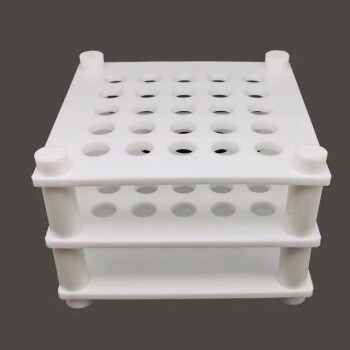
- Custom PTFE Teflon Parts Manufacturer for Centrifuge Tube Racks
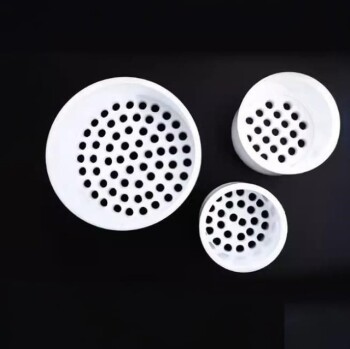
- Custom PTFE Teflon Parts Manufacturer for PTFE Mesh F4 Sieve
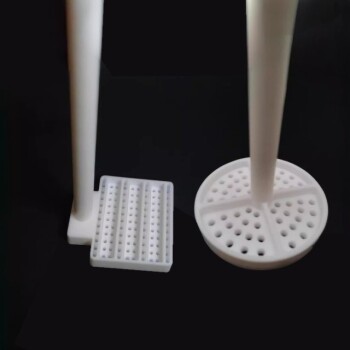
- Custom PTFE Teflon Parts Manufacturer Corrosion Resistant Cleaning Rack Flower Basket
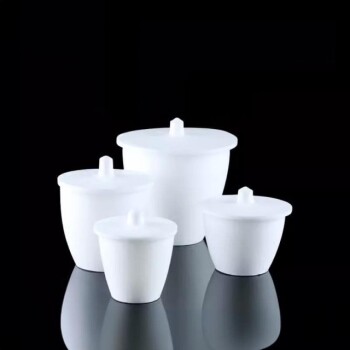
- Custom Machined and Molded PTFE Teflon Parts Manufacturer with PTFE Crucible and Lid
- Custom PTFE Teflon Parts Manufacturer for Cleaning Racks
People Also Ask
- Why is slender PTFE tubing necessary for flow control in multi-channel catalyst aging? Ensure Equal Gas Distribution
- Why are PTFE containers required for PCT leaching tests? Ensure Chemical Inertness and Analytical Precision
- Why are PTFE containers necessary for selective HF etching of MAX phases? Ensure Safe & Pure MXene Synthesis
- What role do PTFE containers play in trace metal detection? Ensure Analytical Precision in Photocatalysis Studies
- Why is a PTFE container required for acid leaching of silicon nanosheets? Ensure High Purity and Safety