The fundamental parameters for safe autoclave decontamination are the temperature and the specific duration of exposure to saturated steam. While a generic setting of 121°C for 30 minutes is a common standard, ensuring absolute safety requires tailoring these variables based on the thermal resistance of the specific biological load.
Core Takeaway Safe decontamination is not guaranteed by simply selecting a default machine setting; it is a calculation of lethality. You must design a process based on the specific thermal resistance (D, Z, and F values) of the microorganisms you intend to destroy, rather than relying solely on a fixed temperature of 121°C.
The Science of Decontamination
Time and Temperature Relationship
The efficacy of an autoclave cycle is defined by the combination of heat and time.
While 121°C at 104.2 kPa is widely cited, it is a misconception that this specific combination is the only successful method. The goal is to maintain saturated steam conditions long enough to penetrate the waste and destroy the biological material.
Understanding Thermal Resistance
To design a truly safe process, you must account for the thermal resistance of the microorganisms present in the waste.
This is quantified using three specific metrics:
- D-value: The time required at a specific temperature to kill 90% of the target microorganism.
- Z-value: The temperature change required to change the D-value by a factor of 10.
- F-value: The total lethal effect of the process, calculated using the time and temperature data.
Operational Protocols for Safety
Pre-Treatment and Chemical Safety
Before autoclaving, it is standard practice to reduce the bio-burden by soaking materials in a disinfectant.
Common agents include 70% alcohol or 0.1% sodium hypochlorite, applied for approximately 30 minutes.
However, you must drain all disinfectants from the materials before initiating the autoclave cycle. Autoclaving chemical residues, particularly bleach, can release toxic fumes and corrode the autoclave chamber.
Personal Protective Equipment (PPE)
Biological waste poses an immediate threat before it even enters the chamber.
Operators must wear appropriate Personal Protective Equipment (PPE) at all times when handling waste to prevent exposure during the loading and pre-treatment phases.
Equipment Maintenance and Integrity
Chamber Sterilization
Ensuring the autoclave itself does not become a source of contamination is critical.
After processing bio-hazardous waste, it is advisable to run an empty cycle at 121°C for 30 minutes. This sterilizes the basket and chamber, ensuring they are safe for the next user or maintenance personnel.
Water Quality Management
The quality of steam depends heavily on the quality of the water used in the system.
Water should be drained daily to prevent the buildup of impurities. When refilling, follow the manufacturer's manual, which often suggests a specific mixture, such as 1 part tap water to 9 parts distilled water, to protect the machine's internal components.
Common Pitfalls to Avoid
The "Default Setting" Trap
Do not assume that the standard 121°C setting is sufficient for every biological load.
Highly resistant spores or dense waste loads may require higher temperatures or longer exposure times to achieve the necessary F-value. Blindly trusting the default setting can lead to incomplete decontamination.
Chemical Incompatibility
Failing to thoroughly drain pre-soak disinfectants is a frequent safety violation.
Heating volatile chemicals creates a respiratory hazard for the lab and can chemically attack the steel of the autoclave vessel. Neutralization or removal of chemicals is mandatory prior to the heat cycle.
Making the Right Choice for Your Goal
To ensure your decontamination process is both safe and compliant, tailor your approach to the nature of your waste.
- If your primary focus is standard laboratory waste: Utilize the baseline protocol of 121°C for 30 minutes, ensuring all chemical disinfectants are drained prior to loading.
- If your primary focus is highly resistant biological agents: Ignore the defaults and calculate the necessary exposure time based on the organism's D-value and Z-value to ensure a sufficient F-value (total kill).
- If your primary focus is equipment longevity: Adhere strictly to the 1:9 tap-to-distilled water ratio and perform the daily drain and empty sterilization cycle.
True safety is not achieved by pressing a button, but by understanding the biological limits of the waste you are destroying.
Summary Table:
| Parameter | Standard Requirement | Purpose/Function |
|---|---|---|
| Temperature | 121°C (250°F) | Denatures proteins and destroys microbial life |
| Exposure Time | 30 Minutes (Standard) | Ensures saturated steam penetrates the waste load |
| D-value | Organism Specific | Time required to kill 90% of the target population |
| Z-value | Temperature Specific | Temp change needed to alter D-value by factor of 10 |
| Pre-Treatment | 70% Alcohol / 0.1% Bleach | Reduces bio-burden (must be drained before heating) |
| Water Quality | 1:9 Tap to Distilled | Prevents scale buildup and protects chamber integrity |
Secure Your Laboratory Safety with KINTEK
Don't compromise on decontamination. Whether you are managing standard lab waste or highly resistant biological agents, KINTEK provides the precision equipment you need. From high-temperature high-pressure autoclaves and reactors to advanced cooling solutions like ULT freezers, our products are engineered for reliability and safety.
Why choose KINTEK?
- Comprehensive Range: High-performance autoclaves, muffle furnaces, and vacuum systems.
- Technical Expertise: We help you meet D, Z, and F value requirements with superior thermal control.
- Durable Consumables: High-quality ceramics, crucibles, and PTFE products for every application.
Ensure your lab meets the highest safety standards. Contact our specialists today to find the perfect decontamination solution for your facility!
Related Products
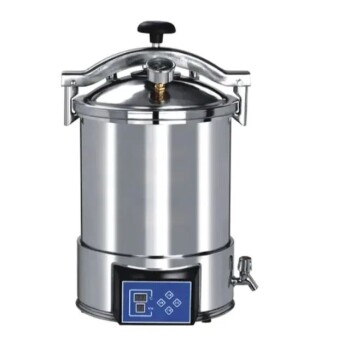
- Portable High Pressure Laboratory Autoclave Steam Sterilizer for Lab Use
- Portable Digital Display Automatic Laboratory Sterilizer Lab Autoclave for Sterilization Pressure
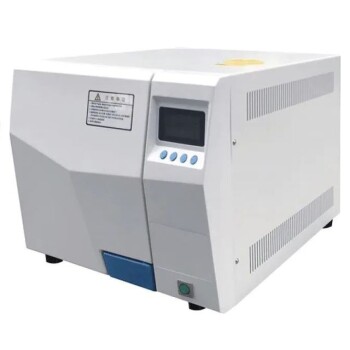
- Desktop Fast High Pressure Laboratory Autoclave Sterilizer 16L 24L for Lab Use
- Desktop Fast Laboratory Autoclave Sterilizer 35L 50L 90L for Lab Use
- Desktop Fast Laboratory Autoclave Sterilizer 20L 24L for Lab Use
People Also Ask
- Why is a laboratory high-pressure autoclave sterilizer necessary? Ensure Accuracy in Antibacterial Research
- What is the role of a laboratory high-pressure autoclave in the conversion of furfural to piperidine? Optimize Yields
- What are the two types of autoclave used in the laboratory? Gravity vs. Pre-Vacuum Explained
- What precautions should be taken during autoclave in laboratory? A Complete Safety Guide to Prevent Burns and Explosions
- What extreme conditions does a laboratory autoclave simulate? Testing Wear Resistance of Nuclear Fuel Cladding