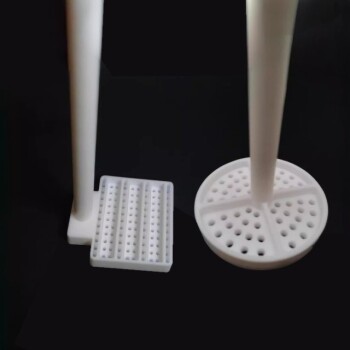
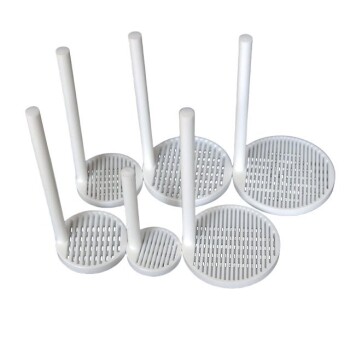
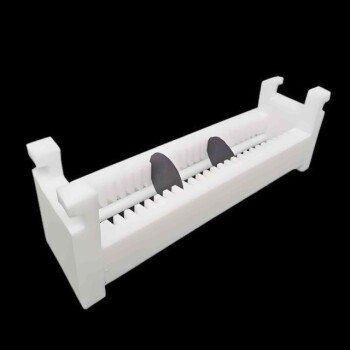
The material basket functions as the primary containment and handling unit located at the bottom of the inner tank in magnesium alloy waste recovery equipment. Its specific design serves to hold waste magnesium blocks or chips, facilitating volume maximization through compaction and streamlining the post-processing cleanup workflow.
The material basket is the linchpin of operational efficiency in magnesium recovery. By consolidating waste handling into a single component, it simultaneously maximizes throughput capacity and safeguards the equipment’s structural integrity.
Optimizing Process Capacity
Accommodating Various Waste Forms
The basket is engineered to accept different physical forms of magnesium waste. It securely holds both solid magnesium blocks and looser magnesium chips, providing a versatile loading interface for the recovery system.
Maximizing Load Volume
A critical function of the basket is enabling the compacting of loose magnesium chips. Without this containment structure, chips would remain loose and take up excessive space. By compressing the material within the basket, operators can significantly increase the total loading volume per cycle.
Streamlining Maintenance and Protection
Enabling Single-Step Cleanup
The most significant operational advantage of the material basket is its role in the removal of residual waste. Once the sublimation process is complete, waste byproducts remain contained within the basket.
This allows operators to extract all residues in a single operation. This contrasts sharply with methods that might require scraping or manual cleaning of the tank floor, thereby drastically reducing turnaround time.
Preserving Equipment Longevity
Beyond efficiency, the basket acts as a protective barrier. By containing the waste and residues, it protects the interior of the inner tank from direct contact with abrasive materials or stubborn byproducts. This helps maintain the condition of the tank surfaces over the long term.
Operational Considerations and Dependencies
The Necessity of the Basket for Efficiency
While the inner tank is the vessel for the reaction, the basket is the vessel for logistics. Operating without the basket—or with a damaged one—would negate the "single operation" removal benefit. This would force operators to manually clean the tank interior, introducing significant downtime and potential safety risks.
Compacting vs. Handling
The ability to compact chips is a major benefit, but it relies on the basket's structural integrity. Operators must utilize the basket to achieve high-density loading; simply pouring loose chips into the tank without the compacting leverage the basket provides would result in suboptimal batch sizes and inefficient cycles.
Making the Right Choice for Your Goals
To maximize the utility of your magnesium waste recovery equipment, consider how you utilize the material basket:
- If your primary focus is maximizing throughput: Utilize the basket's structure to compact loose magnesium chips, ensuring you achieve the highest possible material density per load.
- If your primary focus is minimizing downtime: Ensure the basket is always used to contain waste, allowing for rapid, single-step extraction of residues immediately after sublimation.
Proper utilization of the material basket transforms waste recovery from a high-maintenance chore into a streamlined, efficient process.
Summary Table:
| Key Function | Primary Benefit | Impact on Operation |
|---|---|---|
| Waste Containment | Holds blocks and chips securely | Versatile loading and material organization |
| Volume Compaction | Increases chip density | Maximizes total load capacity per cycle |
| Single-Step Cleanup | Rapid residue extraction | Drastically reduces maintenance downtime |
| Tank Protection | Prevents direct tank floor contact | Extends the lifespan of the recovery equipment |
Streamline Your Magnesium Recovery with KINTEK
Don't let inefficient waste handling slow down your laboratory or industrial operations. At KINTEK, we specialize in providing high-performance equipment designed for precision and durability. Our expertise extends beyond waste recovery to a comprehensive range of high-temperature furnaces, crushing and milling systems, and hydraulic presses.
Whether you need robust high-temperature high-pressure reactors, specialized electrolytic cells, or reliable cooling solutions, KINTEK delivers the quality and efficiency your research demands.
Ready to maximize your lab's throughput? Contact our experts today to find the perfect equipment and consumables for your specific needs!
Related Products
- Custom PTFE Teflon Parts Manufacturer Corrosion Resistant Cleaning Rack Flower Basket
- Custom PTFE Teflon Parts Manufacturer for Cleaning Racks
- Custom PTFE Teflon Parts Manufacturer for Hollow Cleaning Basket and Rack Carrier
- Custom PTFE Teflon Parts Manufacturer for Hollow Etching Flower Basket ITO FTO Developing Glue Removal
- Custom PTFE Teflon Parts Manufacturer Adjustable Height Flower Basket
People Also Ask
- What is the maximum operating temperature for a PTFE cleaning basket? Avoid Catastrophic Failure at 260°C
- How should a PTFE cleaning basket be stored when not in use? Maximize Lifespan & Prevent Contamination
- What is the correct way to place items into a PTFE cleaning basket? Master the Art of Perfect, Repeatable Cleaning
- What maintenance procedures are recommended for a PTFE cleaning basket? Extend Equipment Life & Ensure Process Purity
- How should a PTFE cleaning basket be cleaned and dried after use? Ensure Purity and Prevent Cross-Contamination