The primary function of a magnetic stirrer in the preparation of amorphous silicon oxycarbide (SiOC) film precursor suspensions is to ensure the thorough mechanical agitation of the chemical components. Specifically, it facilitates the blending of the polyhydromethylsiloxane (PHMS) precursor polymer with the tetramethyltetravinylcyclotetrasiloxane (TMTVS) cross-linking agent.
Core Takeaway The magnetic stirrer provides the consistent agitation required to distribute components at the molecular level. This uniformity is the prerequisite for optimal reaction kinetics, ensuring the subsequent platinum-catalyzed hydrosilylation proceeds evenly to form a homogeneous polymer gel structure.
The Role of Agitation in Chemical Kinetics
Achieving Molecular Distribution
The creation of SiOC films begins with the physical mixing of distinct chemical agents. The magnetic stirrer acts as the primary driver for integrating PHMS and TMTVS.
Without this active mechanical agitation, these components may remain segregated. The stirrer ensures that the cross-linking agent is evenly dispersed throughout the polymer matrix rather than pooling in concentrated areas.
Enabling the Hydrosilylation Reaction
Uniform distribution is not an end in itself; it is a setup for the chemical reaction. The process relies on a platinum-catalyzed hydrosilylation reaction.
For this reaction to be efficient, the catalyst and reactants must interact with consistent frequency. The magnetic stirrer creates the optimal kinetic conditions by keeping the reactants in constant motion, increasing the probability of successful molecular collisions.
The Impact on Material Structure
Ensuring Gel Homogeneity
The ultimate goal of the precursor stage is to form a stable polymer gel. The quality of this gel is directly dependent on the uniformity of the initial suspension.
If the mixing is inadequate, the resulting gel structure will be heterogeneous. By maintaining constant agitation, the magnetic stirrer ensures that the gelation occurs uniformly throughout the volume, preventing structural inconsistencies in the final SiOC film.
Common Pitfalls to Avoid
The Risk of Incomplete Mixing
A common oversight in precursor preparation is underestimating the time or intensity required for thorough mixing.
If the magnetic stirrer is set to an insufficient speed or run for too short a duration, the resulting suspension will lack the necessary molecular uniformity. This leads to suboptimal reaction kinetics, where parts of the mixture react faster than others, compromising the integrity of the final material.
Making the Right Choice for Your Goal
To ensure the highest quality SiOC films, approach the stirring process as a critical control point.
- If your primary focus is Reaction Efficiency: Ensure the stirrer speed is sufficient to maintain a vortex, maximizing the contact between the PHMS and the TMTVS cross-linker for the platinum catalyst to act upon.
- If your primary focus is Structural Integrity: Prioritize mixing duration to guarantee that the suspension is perfectly homogeneous before initiating the gelation phase.
Consistency in the mixing stage is the single most effective way to guarantee a uniform and defect-free final product.
Summary Table:
| Process Component | Role of Magnetic Stirrer | Impact on Final SiOC Film |
|---|---|---|
| Component Blending | Distributes PHMS and TMTVS at the molecular level | Prevents segregation and pooling of agents |
| Reaction Kinetics | Increases molecular collisions for platinum catalyst | Ensures even and efficient hydrosilylation |
| Gel Formation | Maintains continuous agitation during suspension | Guarantees a stable, defect-free polymer gel |
| Structural Integrity | Prevents localized concentration gradients | Ensures uniform material density and performance |
Elevate Your Material Research with KINTEK Precision
Achieving the perfect SiOC film starts with superior suspension homogeneity. KINTEK specializes in high-performance laboratory equipment designed for the most demanding chemical synthesis. From advanced magnetic stirrers and homogenizers to our industry-leading high-temperature furnaces (muffle, vacuum, and CVD) and high-pressure reactors, we provide the tools you need for consistent, reproducible results.
Whether you are refining battery research, developing advanced ceramics, or optimizing chemical kinetics, KINTEK’s comprehensive range of consumables and equipment ensures your lab operates at peak efficiency. Contact us today to find the perfect solution for your research workflow!
References
- Hengguo Jin, Xin Xu. Preparation and Gas Separation of Amorphous Silicon Oxycarbide Membrane Supported on Silicon Nitride Membrane. DOI: 10.3390/membranes14030063
This article is also based on technical information from Kintek Solution Knowledge Base .
Related Products
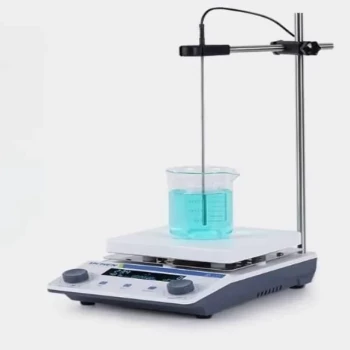
- Laboratory Small Constant Temperature Heated Magnetic Stirrer Heater and Stirrer
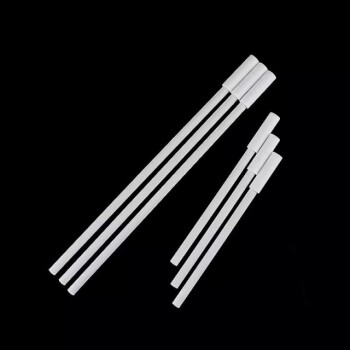
- Custom PTFE Teflon Parts Manufacturer for Magnetic Stirring Bar
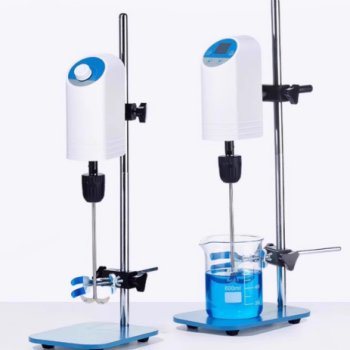
- High Performance Laboratory Stirrers for Diverse Applications
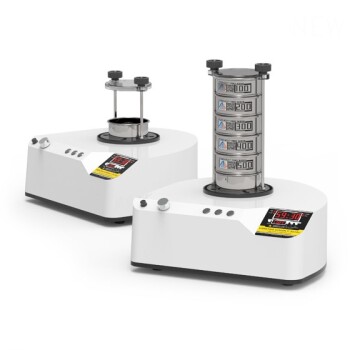
- Three-dimensional electromagnetic sieving instrument
- Custom PTFE Teflon Parts Manufacturer for PTFE Stirring Bar Recovery Rod
People Also Ask
- What role does a magnetic stirrer with heating play in ZnO nanoparticle synthesis? Precision Control for Quality Results
- What role does a constant temperature heating magnetic stirrer play in MFC-HAp synthesis? Achieve Material Homogeneity
- What is the function of a laboratory magnetic stirrer in Ni–Cr–P electrodeposition? Optimize Ion Transport & Coating
- Why is a laboratory magnetic stirrer required for benzoic acid esters? Boost Reaction Speed & Yield with High RPM
- What role does a laboratory magnetic stirrer play in TiO2 and TiO2-Ag sol preparation? Master Chemical Kinetics