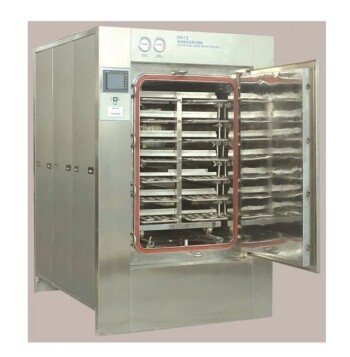
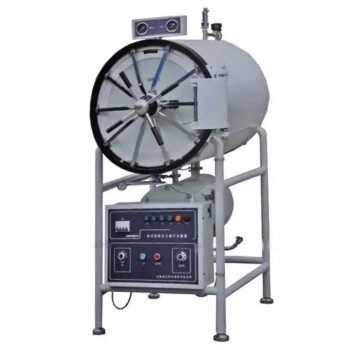
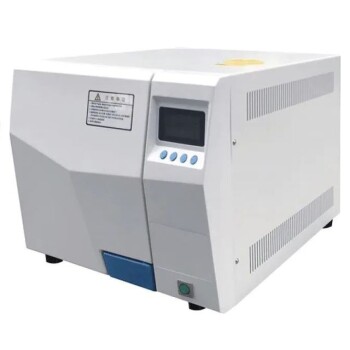
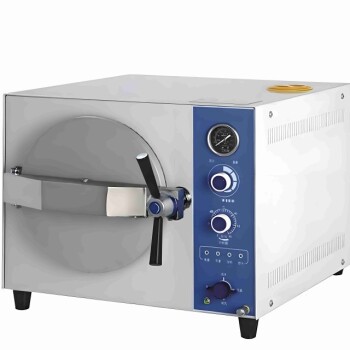
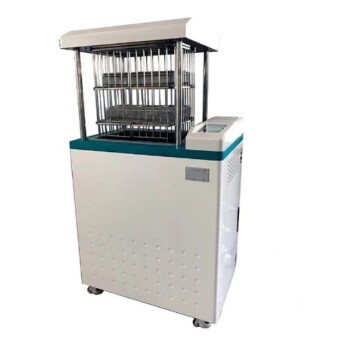
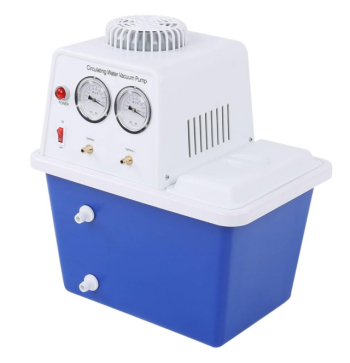
Autoclaving is fundamentally a method of steam sterilization that relies on pressurized, moist heat to eliminate biological contaminants. It serves as the gold standard in laboratory environments for ensuring equipment is sterile and that biohazardous waste is rendered safe for disposal.
The Core Insight Autoclaving uses pressure not to crush microorganisms, but to raise the boiling point of water. This allows steam to reach temperatures significantly higher than 100°C, effectively destroying all microbial life—including resistant spores—by irreversibly denaturing their proteins.
The Core Principle: Moist Heat and Pressure
To understand the reliability of an autoclave, you must look beyond simple heating. The effectiveness lies in the specific combination of saturated steam and high pressure.
The Function of Pressure
Pressure plays a critical role, but it is not the direct sterilizing agent. In an open environment, water boils at 100°C. To kill stable biological agents, you need higher temperatures.
By sealing the chamber and increasing pressure, the autoclave forces the boiling point of water to rise. This allows the steam to reach temperatures between 121°C and 137°C, which would be impossible at standard atmospheric pressure.
The Mechanism of Action
The scientific principle at work is the denaturation of proteins. The high thermal stress causes the structural proteins and enzymes within microorganisms to unfold and lose their function.
Unlike dry heat, which oxidizes (burns) contaminants, moist heat coagulates proteins. This is structurally similar to boiling an egg; once the proteins are denatured, the organism is structurally compromised and cannot recover.
The Importance of Air Removal
For steam sterilization to work, the steam must directly contact every surface. Air pockets act as insulators and protect bacteria from the heat.
Modern autoclaves utilize a vacuum pump to remove air from the chamber before introducing steam. This ensures the environment is composed of pure, saturated steam, guaranteeing consistent heat distribution.
Primary Functions in the Laboratory
While the machine is versatile, its application in a lab setting generally falls into two distinct categories: preparation and disposal.
Preparing Sterile Resources
Microbiology and medical labs rely on autoclaves to prepare materials that must be free of all microbial life. This includes culture media (nutrient-rich liquids used to grow bacteria), reagents, surgical instruments, and glassware.
Decontaminating Biohazardous Waste
Before hazardous waste can be thrown away, it must be neutralized. Autoclaving is the primary method for treating biohazardous waste to ensure it is no longer infectious.
This process kills viruses, bacteria, fungi, and spores, transforming dangerous biological refuse into safe, municipal-level waste.
Understanding the Trade-offs
While autoclaving is the most reliable method for sterilization, it is not a universal solution. Understanding its limitations is vital for laboratory safety.
Material Incompatibility
Not all laboratory equipment can withstand the harsh combination of moisture, high heat, and pressure. Heat-sensitive plastics will melt, and certain paper products may disintegrate.
Chemical Degradation
Certain liquids, particularly those containing heat-sensitive vitamins or antibiotics, can be destroyed by the process. In these cases, filtration is a preferred alternative to autoclaving.
The "Boil-Over" Risk
When sterilizing liquids, rapid depressurization can cause the liquid to boil violently and spill. Cycles designed for liquids often include a slow exhaust or specific cooling phases to prevent damage to the containers.
Making the Right Choice for Your Goal
To use an autoclave effectively, you must match the cycle to the material you are processing.
- If your primary focus is sterilizing instruments: Ensure your items are thoroughly cleaned of debris first, as organic matter can insulate bacteria from the steam.
- If your primary focus is liquid media: Use a "liquid cycle" with a slow exhaust rate to prevent the solution from boiling over and losing volume.
- If your primary focus is waste disposal: Verify that the load has reached the required temperature for the full duration to ensure complete inactivation of resistant spores.
Effective sterilization requires not just the right machine, but the discipline to ensure steam penetration reaches every item in the load.
Summary Table:
| Feature | Autoclaving Specification/Mechanism |
|---|---|
| Core Principle | Moist heat sterilization via saturated steam |
| Primary Mechanism | Irreversible protein denaturation (coagulation) |
| Temperature Range | Typically 121°C to 137°C |
| Pressure Role | Elevates the boiling point of water for higher heat |
| Key Applications | Culture media prep, instrument sterilization, waste decontamination |
| Limitations | Heat-sensitive plastics, volatile chemicals, and sharp-edged tools |
Elevate Your Laboratory Standards with KINTEK
Ensure the highest level of safety and precision in your research with KINTEK’s premium sterilization solutions. Whether you are preparing sensitive culture media or managing biohazardous waste, our high-performance high-temperature high-pressure reactors and autoclaves provide the reliability your lab demands.
From advanced thermal processing to essential lab consumables like PTFE products, ceramics, and crucibles, KINTEK specializes in supporting your entire workflow. Our expertise extends across:
- Thermal Processing: Muffle, tube, and vacuum furnaces.
- Sample Prep: Crushing, milling, and hydraulic presses.
- Specialized Research: Battery tools, cooling solutions, and electrolytic cells.
Ready to optimize your lab efficiency? Contact us today to discover how KINTEK’s comprehensive equipment range can support your next breakthrough.
Related Products
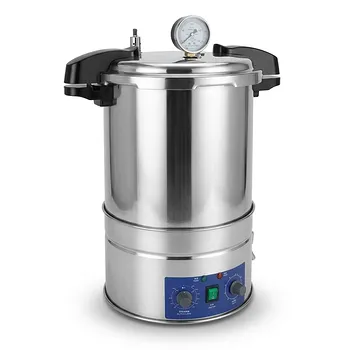
- Portable High Pressure Laboratory Autoclave Steam Sterilizer for Lab Use
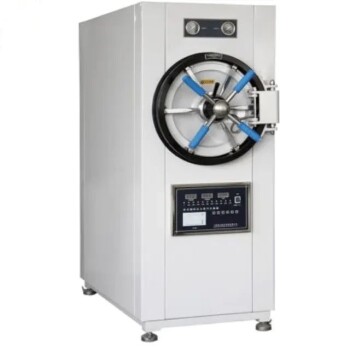
- Laboratory Horizontal Autoclave Steam Sterilizer Lab Microcomputer Sterilizer
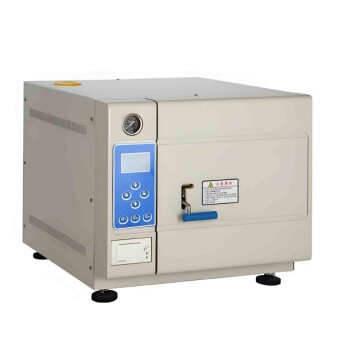
- Desktop Fast High Pressure Laboratory Autoclave Sterilizer 16L 24L for Lab Use
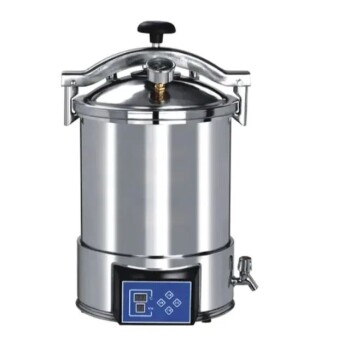
- Portable Digital Display Automatic Laboratory Sterilizer Lab Autoclave for Sterilization Pressure
- Desktop Fast Laboratory Autoclave Sterilizer 35L 50L 90L for Lab Use
People Also Ask
- Why is a laboratory high-pressure autoclave sterilizer necessary? Ensure Accuracy in Antibacterial Research
- What is the role of a laboratory high-pressure autoclave in the conversion of furfural to piperidine? Optimize Yields
- What are the two types of autoclave used in the laboratory? Gravity vs. Pre-Vacuum Explained
- What precautions should be taken during autoclave in laboratory? A Complete Safety Guide to Prevent Burns and Explosions
- What extreme conditions does a laboratory autoclave simulate? Testing Wear Resistance of Nuclear Fuel Cladding