Protecting the integrity of the primary reaction vessel is paramount. During the synthesis of Sr2LiGaO4, the tantalum reaction tube serves as the primary container for the chemical reactants. However, because metallic tantalum is highly susceptible to oxidation and degradation when exposed to air at temperatures like 850 °C, the argon-filled quartz tube acts as a critical secondary protective barrier to prevent the tantalum from failing.
The use of an argon-filled quartz tube creates a double protection layer that isolates the reactive tantalum vessel from atmospheric oxygen. This setup ensures both the safety of the experimental procedure and the high-purity environment necessary for successful material phase formation.
The Role of Secondary Containment
Preventing Tantalum Oxidation
Metallic tantalum is an excellent crucible material for many solid-state reactions, but it is exceptionally sensitive to oxygen at high temperatures. Without an inert barrier, the tantalum tube would oxidize rapidly at 850 °C, leading to structural thinning, brittleness, and eventual rupture.
Maintaining an Inert Environment
The quartz tube is typically evacuated and then backfilled with an inert gas, such as argon, often at a pressure of approximately 400 mbar. This creates a localized, oxygen-free atmosphere that surrounds the tantalum tube throughout the duration of the heating cycle.
Ensuring Chemical Purity
By preventing the degradation of the tantalum vessel, the quartz shroud ensures that no atmospheric impurities or oxide byproducts from the container itself migrate into the Sr2LiGaO4 sample. This "vessel-within-a-vessel" approach is standard for synthesizing materials that require strictly controlled environments.
Structural and Safety Considerations
Managing Internal Pressure
The argon gas inside the quartz tube helps to stabilize the pressure environment surrounding the tantalum tube. This balance is critical during the extended 800 °C to 850 °C reaction periods required to achieve the proper phase formation.
Mitigating Experimental Failure
If the primary tantalum tube were to fail while exposed directly to the furnace atmosphere, the resulting reaction could damage the furnace heating elements. The quartz tube acts as a fail-safe, containing the materials and protecting the laboratory equipment.
Understanding the Trade-offs
Thermal Lag and Gradient Issues
Adding a secondary quartz layer introduces additional thermal mass and an insulation gap between the furnace and the sample. Researchers must calibrate their equipment to ensure the actual temperature inside the tantalum tube reaches the target 850 °C, despite the secondary barrier.
Material Fatigue in Quartz
While quartz is highly resistant to heat, repeated cycling at high temperatures can lead to devitrification or brittleness. If the quartz seal develops even a microscopic leak, the argon buffer is lost, and the tantalum tube will likely fail during the run.
How to Apply This to Your Synthesis
To ensure a successful and safe synthesis of Sr2LiGaO4, your containment strategy should be tailored to your specific equipment and purity requirements.
- If your primary focus is maximum sample purity: Ensure that the argon used for backfilling is of ultra-high purity (UHP) grade and that the quartz tube is cleaned with acid to remove any surface contaminants before sealing.
- If your primary focus is experimental safety: Carefully calculate the argon backfill pressure so that the internal pressure at 850 °C does not exceed the mechanical limits of the quartz tube.
- If your primary focus is vessel longevity: Inspect the tantalum tubes for signs of thinning or discoloration after each run, and replace the quartz tube if any signs of clouding or devitrification appear.
Implementing a robust double-containment system is the most reliable method for managing reactive metal crucibles in high-temperature solid-state chemistry.
Summary Table:
| Component | Primary Function | Key Benefit for Sr2LiGaO4 Synthesis |
|---|---|---|
| Tantalum Tube | Primary Reaction Vessel | Holds chemical reactants; resistant to solid-state reaction. |
| Quartz Tube | Secondary Containment | Isolates tantalum from oxygen; protects furnace from failures. |
| Argon Gas | Inert Atmosphere Buffer | Prevents tantalum oxidation at 850°C; manages internal pressure. |
| Double-Layer Setup | Environmental Isolation | Ensures high phase purity and experimental safety. |
Elevate Your Advanced Material Synthesis with KINTEK
Achieving the perfect phase formation for materials like Sr2LiGaO4 requires absolute environmental control and reliable containment. KINTEK specializes in high-precision laboratory solutions, providing a comprehensive range of high-temperature furnaces (atmosphere, vacuum, and muffle), high-pressure reactors, and essential consumables like tantalum and ceramic crucibles.
Whether you are scaling production or conducting delicate solid-state research, our equipment ensures maximum safety and chemical purity for your most sensitive reactions.
Ready to optimize your lab’s thermal processing?
Contact KINTEK Today to discover how our specialized furnaces and high-purity consumables can enhance your research outcomes!
References
- Johannes G. Volpini, Hubert Huppertz. Crystal structure of the quaternary lithogallate Sr <sub>2</sub> LiGaO <sub>4</sub>. DOI: 10.1515/znb-2023-0043
This article is also based on technical information from Kintek Solution Knowledge Base .
Related Products
- High Temperature Alumina (Al2O3) Furnace Tube for Engineering Advanced Fine Ceramics
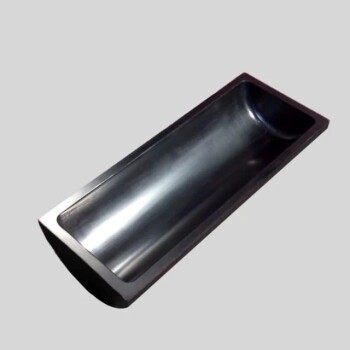
- Carbon Graphite Boat -Laboratory Tube Furnace with Cover
- 1400℃ Laboratory High Temperature Tube Furnace with Alumina Tube
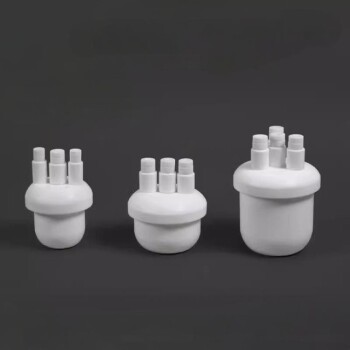
- Custom PTFE Teflon Parts Manufacturer for Three-Necked Round Bottom Flask
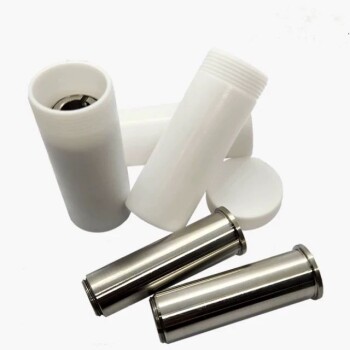
- Custom PTFE Teflon Parts Manufacturer for PTFE Bottle Oil Fume Sampling Tube
People Also Ask
- What is the primary function of an Alumina (Al2O3) tube in LLZTO sintering? Optimize Your Thermal Processing
- What role does a high-alumina furnace tube play in high-temperature nickel slag reduction? Ensure 1400°C Precision
- How does an alumina tube furnace with a controlled atmosphere simulate conditions in CSP environments? Master Accuracy.
- How do you clean an alumina tube furnace? Extend Tube Life with Proper Maintenance
- How to clean an alumina tube furnace? Extend Tube Life and Ensure Experimental Purity