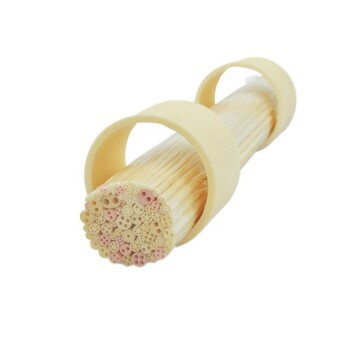
The high-alumina furnace tube serves as the primary structural and atmospheric barrier in nickel slag reduction experiments. It provides the essential high-temperature resistance required to reach 1400°C while maintaining the airtight integrity of the reaction chamber. By isolating the slag from external oxygen and facilitating the flow of protective or reducing gases, it ensures the chemical reduction process occurs without interference from the surrounding environment.
The high-alumina tube acts as a chemically stable, refractory reaction chamber that enables precise control over temperature and atmosphere. It is the critical component that allows researchers to simulate industrial smelting kinetics while protecting the purity of the slag equilibrium state.
Providing a Stable High-Temperature Environment
Exceptional Thermal Resistance
High-alumina tubes are designed to withstand the extreme thermal energy required for slag melting and reduction. These tubes maintain their structural stability at temperatures reaching 1400°C, which is the typical energy threshold for nickel slag reactions.
Isolation of Heating Elements
The tube serves as a physical divider between the heating elements of the furnace and the internal reaction zone. This isolation protects the furnace's internal components from volatile gases produced during the reduction of the metal precursors.
Consistent Constant Temperature Zones
In vertical tube furnaces, these tubes help maintain a stable and controllable thermal environment. This allows for precise programmed heating rates, such as 10°C/min, ensuring the slag reaches the necessary thermodynamic equilibrium.
Facilitating Atmospheric Control and Purity
Prevention of Oxygen Contamination
One of the most critical roles of the tube is to prevent external oxygen from interfering with the reduction process. By maintaining airtightness, the tube ensures that the metallic nickel formed does not re-oxidize during the experiment.
Conduit for Protective and Reducing Gases
The high-alumina tube acts as a conduit for gases like high-purity argon or carbon monoxide. This allows researchers to control the model gas compositions precisely, simulating the specific service environments found in industrial smelting.
Maintaining Vacuum Tightness
The high-purity ceramic material ensures vacuum tightness even during long-duration experiments. This prevents external impurities from leaking into the chamber, which could otherwise alter the chemical valence states of the nickel-based catalysts.
Understanding the Trade-offs and Limitations
Vulnerability to Thermal Shock
While alumina is highly refractory, it is susceptible to thermal shock if heated or cooled too rapidly. Failure to follow specific ramp rates can lead to structural cracking, compromising the airtight seal of the furnace.
Chemical Interactions with High-Basicity Slag
High-alumina materials are generally chemically inert, but they are not entirely immune to corrosive slag attack. In experiments involving highly basic slags, the tube material may slowly react with the slag at the contact point, potentially introducing trace impurities into the melt.
Porosity vs. Purity
Lower-grade alumina tubes may exhibit higher porosity, which can lead to gas permeation at extreme temperatures. Utilizing high-purity (99%+) alumina is necessary to ensure the vacuum stability required for sensitive reduction kinetics.
Optimizing the Tube for Your Research Goals
When selecting or operating a high-alumina tube for nickel slag experiments, consider the following recommendations based on your specific requirements:
- If your primary focus is atmospheric purity: Prioritize high-purity (99%+) alumina tubes to ensure maximum vacuum tightness and minimal outgassing during the reduction phase.
- If your primary focus is equipment longevity: Implement strict programmed cooling and heating rates (typically below 5°C/min) to prevent thermal stress fractures in the ceramic structure.
- If your primary focus is slag-refractory interaction studies: Monitor the internal surface of the tube for erosion and consider using a sacrificial crucible inside the tube to prevent direct contact between the slag and the furnace wall.
Selecting the appropriate grade of high-alumina tubing is the most critical factor in ensuring the repeatability and accuracy of high-temperature slag reduction data.
Summary Table:
| Feature | Role in Slag Reduction | Key Benefit |
|---|---|---|
| Thermal Resistance | Sustains 1400°C smelting environments | Maintains structural integrity under high heat |
| Atmospheric Isolation | Prevents oxygen ingress and re-oxidation | Ensures purity of the metallic nickel formed |
| Chemical Stability | Acts as an inert reaction chamber | Protects slag equilibrium from contamination |
| Gas Conduit | Facilitates argon or CO flow | Allows precise control over reducing atmospheres |
| Vacuum Tightness | Maintains low-pressure environments | Prevents impurity leakage during long cycles |
Elevate Your Smelting Research with KINTEK Precision
High-purity results depend on high-performance materials. At KINTEK, we specialize in providing the robust laboratory equipment required for demanding high-temperature applications. Whether you are conducting nickel slag reduction or advanced material synthesis, our high-purity (99%+) alumina furnace tubes, vacuum tube furnaces, and rotary furnaces offer the thermal stability and vacuum integrity your research demands.
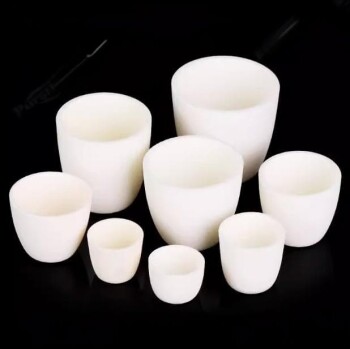
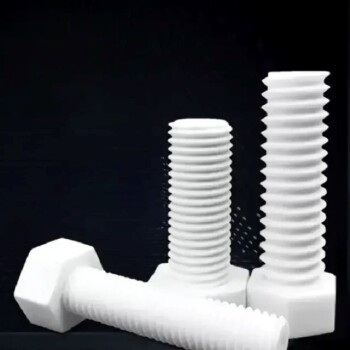
From high-temperature reactors to essential ceramic crucibles and PTFE products, KINTEK provides a comprehensive ecosystem for metallurgy and battery research.
Ready to optimize your lab's thermal processing? Contact our experts today to find the perfect furnace configuration and consumables for your specific research goals.
References
- Desmond Attah-Kyei, Daniel Lindberg. A Crucial Step Toward Carbon Neutrality in Pyrometallurgical Reduction of Nickel Slag. DOI: 10.1007/s40831-023-00763-5
This article is also based on technical information from Kintek Solution Knowledge Base .
Related Products
- High Temperature Alumina (Al2O3) Furnace Tube for Engineering Advanced Fine Ceramics
- 1700℃ Laboratory High Temperature Tube Furnace with Alumina Tube
- 1400℃ Laboratory High Temperature Tube Furnace with Alumina Tube
- High Temperature Aluminum Oxide (Al2O3) Protective Tube for Engineering Advanced Fine Ceramics
- Laboratory High Pressure Vacuum Tube Furnace
People Also Ask
- What is the primary function of an Alumina (Al2O3) tube in LLZTO sintering? Optimize Your Thermal Processing
- How does an alumina tube furnace with a controlled atmosphere simulate conditions in CSP environments? Master Accuracy.
- How do you clean an alumina tube furnace? Extend Tube Life with Proper Maintenance
- How to clean an alumina tube furnace? Extend Tube Life and Ensure Experimental Purity
- What is the material used in high temperature furnace? Selecting the Right Ceramic for Extreme Heat