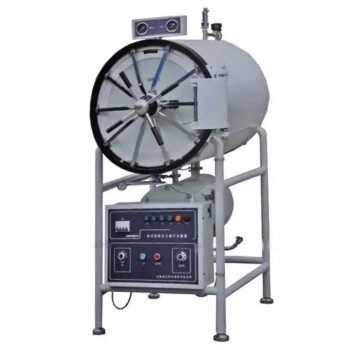
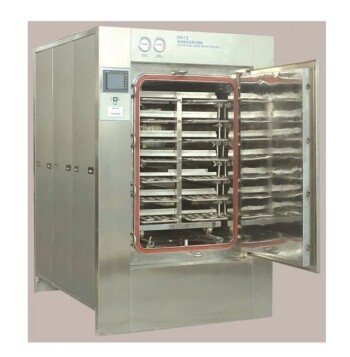
A pilot-scale high-pressure reactor acts as the central vessel for facilitating the dual chemical and physical disruption of wheat straw biomass. It subjects the material to high-pressure steam at elevated temperatures, typically around 200°C, to chemically weaken the plant structure. Crucially, the reactor is designed to execute a rapid pressure release, converting potential energy into the physical force required to shatter the biomass for downstream processing.
The reactor serves a dual purpose: it first acts as a high-precision pressure cooker to chemically depolymerize hemicellulose, and subsequently functions as a mechanical disruptor by triggering instantaneous decompression to tear apart the lignocellulosic matrix.
Creating the Thermochemical Environment
To prepare wheat straw for conversion into usable products, the reactor must first alter the material's chemical bonds through heat and pressure.
Precise Temperature Control
The reactor maintains a strictly controlled environment, subjecting the straw to temperatures typically ranging from 170°C to 200°C.
Chemical Depolymerization
In this heated state, the reactor promotes the depolymerization of hemicellulose. The high thermal energy works to weaken the hydrogen bonds that hold the rigid lignocellulosic structure together.
Steam Penetration
The sealed vessel allows pressure to build (often between 0.7 and 48 bar), forcing steam deep into the microscopic fiber pores of the wheat straw. This saturation is essential for the subsequent explosion phase.
The Mechanism of Physical Disruption
While heat prepares the chemical bonds, the reactor's physical design facilitates the mechanical "explosion" that gives this method its name.
Instantaneous Decompression
The reactor is equipped with a specialized pressure-release valve. Upon activation, this valve creates instantaneous decompression, dropping the system from high pressure to atmospheric pressure in a fraction of a second.
Generating Mechanical Shear
This rapid pressure drop causes the steam trapped inside the fiber pores to expand violently. This expansion generates powerful mechanical shear forces from within the material.
Tearing the Lignocellulosic Structure
These forces physically tear the biomass apart. The result is a significant increase in porosity and specific surface area, making the cellulose highly accessible for subsequent enzymatic hydrolysis.
Understanding Process Variables and Trade-offs
While the reactor is a powerful tool, its operation requires balancing opposing factors to ensure efficiency.
Balancing Reaction Severity
The reactor allows for the adjustment of reaction time and pH values. Operators must balance these settings; conditions that are too mild will fail to break the hydrogen bonds, while conditions that are too severe may degrade the desirable sugars.
Managing Mineral Redistribution
The thermodynamic conditions within the reactor influence more than just fiber structure. The process drives the redistribution of mineral elements between the solid and liquid phases, which can impact the purity and utility of the final product.
Optimizing the Pretreatment Strategy
To utilize a pilot-scale reactor effectively, you must align the operational parameters with your specific processing targets.
- If your primary focus is maximizing enzymatic digestibility: Prioritize the severity of the decompression phase to ensure maximum increase in specific surface area and porosity.
- If your primary focus is studying component interactions: Utilize the reactor's precise temperature and pH controls to analyze the dissolution of hemicellulose and the migration of minerals.
By mastering the transition between high-pressure steaming and rapid decompression, you turn resistant raw straw into a reactive feedstock ready for bioconversion.
Summary Table:
| Feature | Role in Steam Explosion Pretreatment |
|---|---|
| Temperature Range | 170°C to 200°C for hemicellulose depolymerization |
| Pressure Capacity | 0.7 to 48 bar to ensure deep steam penetration into fibers |
| Decompression | Instantaneous pressure release for physical biomass shattering |
| Key Outcome | Increased porosity and surface area for high digestibility |
| Process Control | Adjustable severity (time, pH) to prevent sugar degradation |
Scale Your Bioenergy Research with KINTEK Precision
Ready to transform resistant biomass into reactive feedstock? KINTEK specializes in advanced high-temperature high-pressure reactors and autoclaves designed specifically for rigorous pilot-scale research. Whether you are optimizing steam explosion parameters for wheat straw or exploring complex chemical depolymerization, our equipment provides the precise temperature control and instantaneous decompression capabilities required for maximum yield.
From high-performance reactors to crushing systems and cooling solutions, we offer a comprehensive suite of laboratory equipment to streamline your workflow. Contact KINTEK today to discuss how our specialized reactor systems can enhance your biomass pretreatment efficiency and research accuracy.
References
- Ruchi Agrawal, Alok Satlewal. Synergistic Enzyme Cocktail to Enhance Hydrolysis of Steam Exploded Wheat Straw at Pilot Scale. DOI: 10.3389/fenrg.2018.00122
This article is also based on technical information from Kintek Solution Knowledge Base .
Related Products
- Customizable Laboratory High Temperature High Pressure Reactors for Diverse Scientific Applications
- Customizable High Pressure Reactors for Advanced Scientific and Industrial Applications
- Laboratory High Pressure Horizontal Autoclave Steam Sterilizer for Lab Use
- Portable High Pressure Laboratory Autoclave Steam Sterilizer for Lab Use
- Mini SS High Pressure Autoclave Reactor for Laboratory Use
People Also Ask
- How do high-pressure and high-temperature reactors ensure the effective treatment of lignocellulosic wastewater in WAO?
- What equipment is required for high-pressure high-temperature reactions? Master Extreme Chemistry Safely
- How do you control high pressure in a reactor? A Guide to Safe & Stable Operation
- How does initial oxygen pressure affect the wet oxidation of pharmaceutical sludge? Master Your Oxidation Depth
- Why is argon better than nitrogen for inert atmosphere? Ensure Absolute Reactivity & Stability