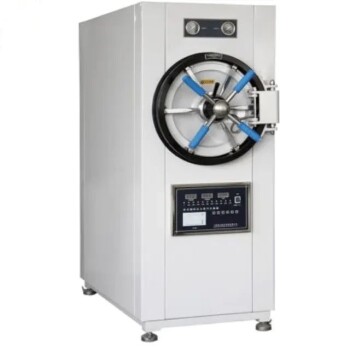
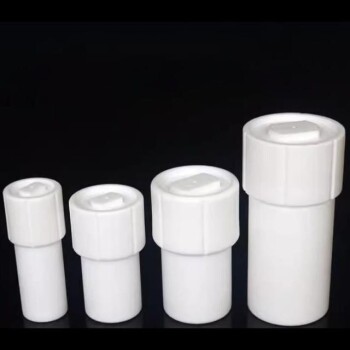
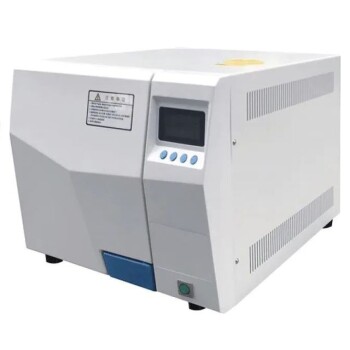
The PTFE-lined high-pressure autoclave serves as the critical reaction vessel for the hydrothermal synthesis of MFN precursor nanospheres. It provides a sealed, high-temperature, and high-pressure environment that allows solvents to reach a subcritical state, facilitating the disproportionation and complexation reactions of metal salts. This specific setup is essential for achieving the precise chemical transformations required to form precursors with high purity and controlled morphology.
The autoclave functions as a controlled micro-environment that forces chemical reactions impossible at atmospheric pressure. By combining a chemically inert PTFE liner with a high-strength outer shell, it ensures both the structural integrity of the system and the extreme purity of the resulting MFN nanospheres.
The Chemical Environment: Subcritical Reactions and Phase Control
Enabling Subcritical Solvent States
In a sealed autoclave, the solvent is heated beyond its standard boiling point while remaining in a liquid phase due to high internal pressure. This subcritical state significantly alters the solvent's dielectric constant and density, creating a highly reactive medium. These conditions are necessary to dissolve and recrystallize raw material powders into organized nanostructures.
Driving Disproportionation and Complexation
The high-pressure environment directly induces the disproportionation and complexation reactions of metal salts. In the context of MFN precursors, these reactions allow for the controlled nucleation of nanospheres. Without the sustained pressure provided by the autoclave, the chemical kinetics would not favor the specific crystalline phases required for high-performance materials.
Facilitating Morphology and Size Regulation
The autoclave allows for precise control over the morphology of the synthesized materials. By maintaining specific physical conditions—such as 140°C to 180°C for extended durations—the system promotes anisotropic growth and regular crystal structures. This level of control is what enables the production of uniform nanospheres rather than irregular aggregates.
Preserving Material Purity via PTFE Inertness
Resistance to Corrosive Reactants
The Polytetrafluoroethylene (PTFE) liner is chosen for its superior chemical stability. It acts as a protective barrier, resisting corrosion from the aggressive precursors and high-concentration solutions used during synthesis. This resistance prevents the reaction medium from degrading the reactor vessel during long-duration experiments.
Elimination of Metallic Cross-Contamination
Because the PTFE liner is chemically inert, it prevents the reaction solution from coming into direct contact with the metal body of the autoclave. This eliminates the risk of introducing metallic impurities or ions from the reactor shell into the sample. Consequently, the resulting MFN precursors maintain the high crystalline structural integrity and purity necessary for technical applications.
Structural Safety and Thermal Dynamics
The Role of the Stainless Steel Shell
While the PTFE liner provides chemical protection, it lacks the mechanical strength to withstand high internal pressures. An external stainless steel shell provides the necessary structural safety and integrity for the system. This dual-material design allows the reactor to operate safely at the elevated pressures required for hydrothermal synthesis.
Thermal Lag and Stability
The combination of a metal shell and a polymer liner creates specific thermal dynamics. The autoclave acts as a thermal buffer, ensuring a stable temperature environment that is less susceptible to external fluctuations. This stability is vital for the slow, controlled growth of MFN nanospheres over several hours.
Understanding the Trade-offs and Operational Constraints
Temperature Limitations of PTFE
While PTFE is highly inert, it has a limited thermal operating range, typically capped at 220°C to 250°C. Exceeding these temperatures can cause the liner to soften or release toxic fumes, potentially compromising the experiment and the equipment. For reactions requiring higher temperatures, more specialized materials like PPL liners or gold-plated reactors must be considered.
Sealing and Pressure Risks
The effectiveness of the autoclave depends entirely on the integrity of the seal. Improper assembly or overfilling the liner (typically beyond 80% capacity) can lead to catastrophic pressure release. Users must balance the need for high pressure with the safety limits of the specific vessel design.
How to Apply This to Your Synthesis Project
When selecting or operating a PTFE-lined autoclave for MFN precursor synthesis, your focus should align with your specific research or production requirements.
- If your primary focus is Maximum Purity: Ensure the PTFE liner is thoroughly cleaned with acid between runs to prevent "memory effects" or cross-contamination from previous batches.
- If your primary focus is Morphology Control: Prioritize precise temperature ramp-up and soak times, as the autoclave’s thermal mass can lead to a lag between the oven temperature and the internal reaction temperature.
- If your primary focus is High-Yield Scaling: Carefully calculate the filling degree of the PTFE liner to ensure there is enough headspace for solvent expansion while maintaining the pressure needed for subcritical conditions.
Selecting the correct autoclave setup ensures that the hydrothermal synthesis process remains safe, reproducible, and capable of producing high-quality MFN precursors.
Summary Table:
| Component/Feature | Role in MFN Synthesis | Key Benefit |
|---|---|---|
| PTFE Liner | Provides a chemically inert reaction environment | Eliminates metallic contamination; resists corrosive precursors |
| Stainless Steel Shell | Provides mechanical strength to contain internal pressure | Ensures structural safety during high-temperature hydrothermal runs |
| High-Pressure Seal | Maintains subcritical solvent states above boiling point | Enables disproportionation and complexation of metal salts |
| Thermal Dynamics | Acts as a thermal buffer for stable heating | Facilitates regular crystal growth and uniform nanosphere morphology |
Elevate Your Material Synthesis with KINTEK Precision
Achieving the perfect morphology and high purity in MFN precursor nanospheres requires equipment that performs under pressure. KINTEK specializes in high-performance laboratory solutions, offering a robust range of high-temperature high-pressure reactors and autoclaves designed specifically for sensitive hydrothermal synthesis.
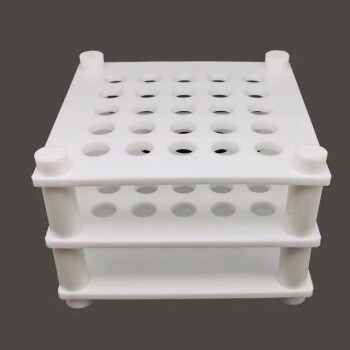
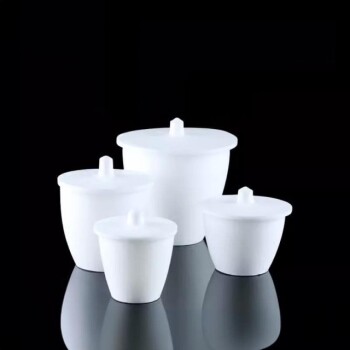
Beyond reactors, our comprehensive portfolio supports your entire workflow—from crushing and milling systems for raw material preparation to high-temperature furnaces (CVD, vacuum, and atmosphere) for post-synthesis annealing. Whether you are working on battery research, specialized ceramics, or electrolytic cell development, KINTEK provides the reliable tools and high-quality consumables (including PTFE and crucibles) you need to ensure reproducible results.
Ready to optimize your lab’s synthesis capabilities? Contact KINTEK today to discuss your project requirements and discover how our advanced equipment can drive your next breakthrough!
References
- Xiaoyu Li, Wei Wang. Multi-layer core–shell metal oxide/nitride/carbon and its high-rate electroreduction of nitrate to ammonia. DOI: 10.1039/d3nr02972g
This article is also based on technical information from Kintek Solution Knowledge Base .
Related Products
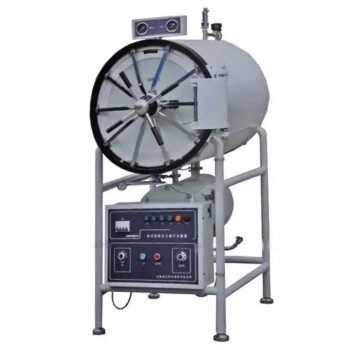
- Laboratory High Pressure Horizontal Autoclave Steam Sterilizer for Lab Use
- Stainless High Pressure Autoclave Reactor Laboratory Pressure Reactor
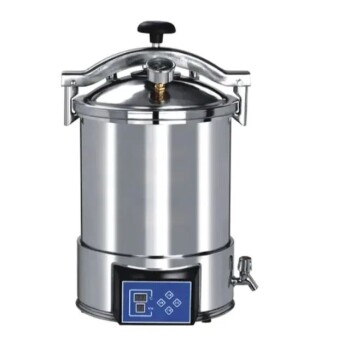
- Portable High Pressure Laboratory Autoclave Steam Sterilizer for Lab Use
- Desktop Fast High Pressure Laboratory Autoclave Sterilizer 16L 24L for Lab Use
- Laboratory High Pressure Steam Sterilizer Vertical Autoclave for Lab Department
People Also Ask
- Why is a laboratory high-pressure autoclave sterilizer necessary? Ensure Accuracy in Antibacterial Research
- What is the role of a laboratory high-pressure autoclave in the conversion of furfural to piperidine? Optimize Yields
- What is the primary function of a laboratory autoclave in the pre-treatment of medical plastic waste for liquid fuel?
- What is an autoclave laboratory equipment? The Ultimate Guide to Steam Sterilization
- What is a laboratory autoclave? A Guide to Sterilization with Pressurized Steam