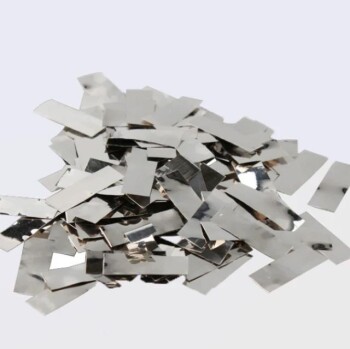
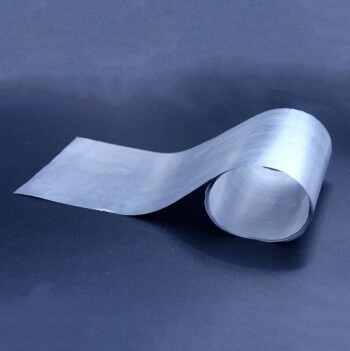
The titanium anode serves as the core reaction interface in the electrochemical oxidation of Acid Red-20 dye wastewater. It functions as the primary catalytic center, driving the breakdown of organic pollutants through direct adsorption and the generation of powerful oxidizing agents.
Core Takeaway The titanium anode’s primary value lies in its ability to facilitate the discharge of water to produce hydroxyl radicals. These radicals act as non-selective oxidizers that degrade complex dye molecules, resulting in both rapid decolorization and a significant reduction in Chemical Oxygen Demand (COD).
The Mechanism of Electrochemical Oxidation
Acting as the Reaction Interface
The titanium anode provides the physical surface necessary for the treatment process to occur. It is not merely a passive conductor; it actively serves as the core reaction interface.
The anode directly adsorbs organic pollutants from the wastewater. This physical contact between the dye molecules and the anode surface is the first critical step in the oxidation sequence.
Generation of Hydroxyl Radicals
Beyond direct adsorption, the anode drives a vital chemical transformation. It facilitates the discharge of water molecules at its surface.
This reaction produces hydroxyl radicals, which are characterized by their exceptionally strong oxidizing capabilities. These radicals are the chemical "workhorses" responsible for breaking down the stable structures found in dye wastewater.
Impact on Wastewater Composition
Non-Selective Degradation
The hydroxyl radicals generated by the titanium anode do not target specific chemical bonds. Instead, they non-selectively degrade the organic matter present in the solution.
This non-selective approach is crucial for treating Acid Red-20 dye. It ensures that the complex structures of the dye molecules are attacked comprehensively rather than partially.
Decolorization and COD Reduction
The cumulative effect of this radical attack is twofold. First, the breakdown of the dye's chromophores (color-bearing groups) leads to effective wastewater decolorization.
Second, as the organic molecules are mineralized or broken into smaller fragments, the overall organic load decreases. This results in a measurable reduction of Chemical Oxygen Demand (COD), a key metric for water quality compliance.
Understanding the Operational Characteristics
The Implications of Non-Selectivity
While the non-selective nature of hydroxyl radicals ensures thorough treatment, it represents a specific operational dynamic. The anode does not distinguish between the target dye and other organic compounds.
This means the system applies its oxidizing power to everything adsorbed at the interface. While this guarantees the destruction of complex contaminants, it relies heavily on the anode's ability to maintain a high production of radicals to overcome the total organic load.
Making the Right Choice for Your Goal
When evaluating electrochemical oxidation for wastewater treatment, understanding the anode's specific function helps clarify its application.
- If your primary focus is Visual Clarity (Decolorization): Rely on the titanium anode’s generation of hydroxyl radicals to break down the specific chromophores responsible for the Acid Red-20 pigment.
- If your primary focus is Regulatory Compliance (COD Reduction): Leverage the anode as a catalytic center to non-selectively oxidize the total organic mass, lowering the overall oxygen demand of the effluent.
The titanium anode is not just an electrode; it is the catalytic engine that converts electrical energy into the chemical power needed to dismantle complex organic pollutants.
Summary Table:
| Feature | Function in Electrochemical Oxidation | Impact on Acid Red-20 Treatment |
|---|---|---|
| Anode Surface | Core Reaction Interface | Facilitates direct adsorption of organic pollutants |
| Chemical Action | Water Discharge Catalyst | Generates powerful, non-selective hydroxyl radicals |
| Oxidation Type | Non-Selective Degradation | Attacks complex dye structures and chromophores |
| Process Outcome | Mineralization of Organics | High-efficiency decolorization and COD reduction |
Upgrade Your Wastewater Treatment Efficiency with KINTEK
Maximize your electrochemical oxidation performance with KINTEK’s advanced titanium anodes and laboratory solutions. Whether you are conducting research on Acid Red-20 dye degradation or scaling up industrial wastewater treatment, our precision-engineered electrolytic cells and electrodes provide the durability and catalytic power required for rapid COD reduction and decolorization.
Beyond electrodes, KINTEK specializes in a comprehensive range of high-performance laboratory equipment, including:
- High-temperature furnaces and reactors for material synthesis.
- Hydraulic presses for pellet preparation.
- High-pressure autoclaves for advanced chemical processing.
- Cooling solutions and consumables like PTFE and ceramics.
Contact our technical experts today to find the perfect equipment tailored to your specific research or industrial needs and ensure regulatory compliance with ease.
References
- Jülide Erkmen, Mahmut ADIGÜZEL. Acid Red-20 sentetik endüstriyel boyar maddenin elektro-oksidasyon yöntemi ile sulu çözeltiden uzaklaştırılması. DOI: 10.28948/ngumuh.854958
This article is also based on technical information from Kintek Solution Knowledge Base .
Related Products
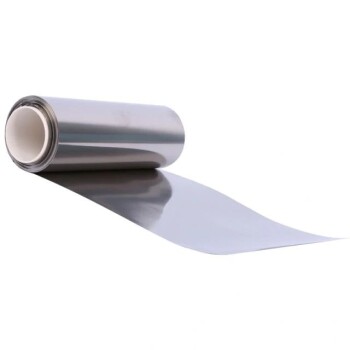
- High-Purity Titanium Foil and Sheet for Industrial Applications
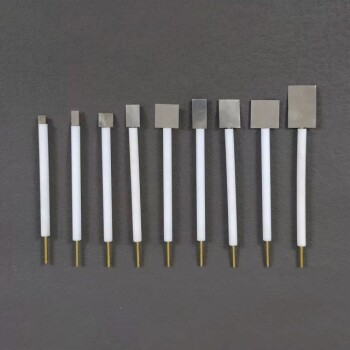
- Platinum Sheet Electrode for Laboratory and Industrial Applications
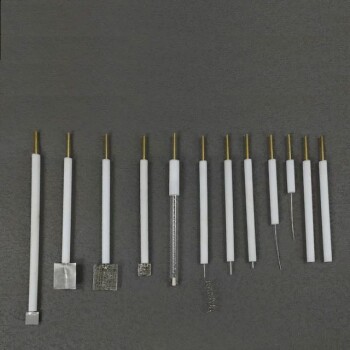
- Platinum Auxiliary Electrode for Laboratory Use
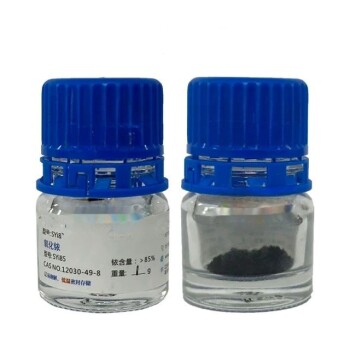
- Iridium Dioxide IrO2 for Water Electrolysis
- Platinum Sheet Electrode for Battery Lab Applications
People Also Ask
- What products are manufactured with titanium? The Ultimate Guide to High-Performance Materials
- What are the advantages of utilizing Polytetrafluoroethylene (PTFE) sheets as casting substrates? | KINTEK Solution
- In what way do portable laboratory consumables like PTFE sheets define a functional workspace? Transform Your Lab Bench
- What are the advantages of using titanium? Achieve Unmatched Strength and Corrosion Resistance
- What are the safety considerations for titanium? From Biocompatible Metal to Fire Hazard