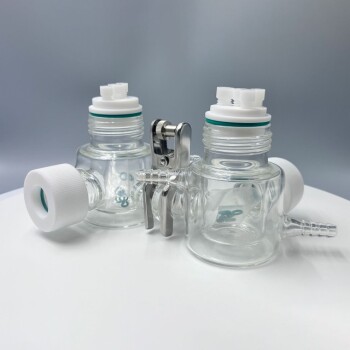
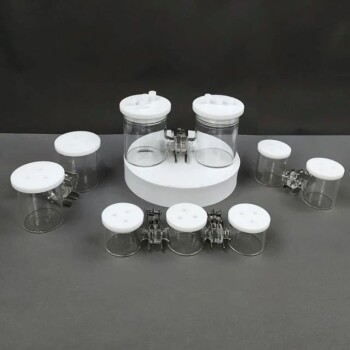
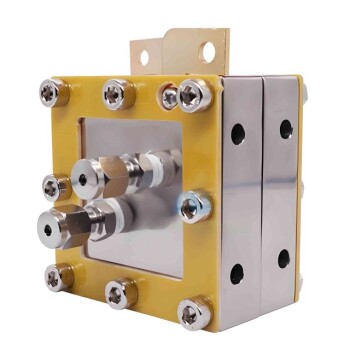
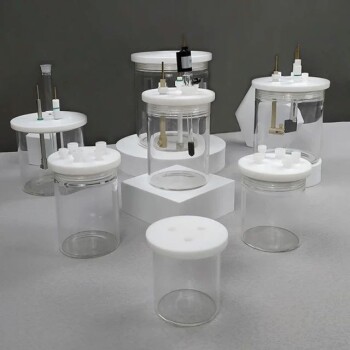
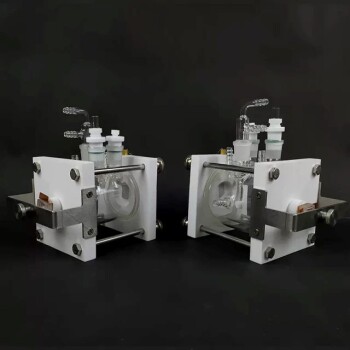
Strict adherence to safety protocols and precise operational procedures is mandatory when conducting experiments with H-type electrolytic cells. Your immediate focus must be on avoiding direct contact with electrodes and electrolytes to prevent electric shock or chemical burns, while ensuring the workspace is completely free of open flames to negate fire and explosion risks.
Successful experimentation relies on a disciplined cycle of preparation, monitoring, and controlled shutdown; neglecting even minor safety steps can compromise both physical safety and the accuracy of your optical or electrochemical data.
Critical Safety Measures
Electrical and Chemical Isolation
Avoid direct contact with the cell’s internal components during operation. The combination of live electrodes and conductive electrolytes creates a significant risk of electric shock. Furthermore, electrolytes are often corrosive; barrier protection is required to prevent chemical burns on skin or damage to eyes.
Fire and Explosion Prevention
Electrolysis often generates flammable gases (such as hydrogen) or oxidizers. You must keep open flames and flammable materials well away from the cell. Ensure the area is ventilated enough to prevent gas accumulation, which could lead to an explosion.
Spill and Splash Management
Handle liquid transfer with extreme caution. Prevent splashing during filling or adjustment to protect the operator and surrounding equipment. If optical instruments (spectrometers, microscopes) are in use, they must be shielded from potential chemical splashes.
Operational Guidelines for Accuracy
Preparation and Filling
Use only high-purity chemical reagents and deionized water. Impurities can alter electrochemical behavior and skew results. When filling the cell, pour the electrolyte slowly to prevent the formation of bubbles, which can interfere with the electrode surface area and reaction consistency. Do not exceed the maximum capacity.
Setting Parameters
Configure your electrolysis parameters—voltage, current, and time—strictly according to your experimental design. Verify these settings before initiating the power supply to ensure the reaction proceeds at a controlled rate.
Active Monitoring
Do not "set and forget." You must continuously observe the cell for specific phenomena, such as bubble generation on electrode surfaces, solution color changes, or temperature fluctuations. If you observe abnormalities, stop the experiment immediately to diagnose the issue.
Handling and Equipment Care
Material Fragility
The H-type cell body is typically made of glass or quartz, making it inherently brittle. Handle the cell gently at all times. Avoid impacts with hard objects, as even minor collisions can cause structural failure or micro-fractures.
Thermal Stress Management
While quartz is heat-resistant, it is not immune to thermal shock. Avoid adhering to excessively high temperatures or rapid temperature changes, which can cause the material to crack. If using a constant temperature water bath, ensure the temperature transitions are gradual.
Common Pitfalls to Avoid
The Improper Shutdown Sequence
A common error is removing the cell while systems are active. You must turn off the power supply first. Only after the power is cut should you turn off the water bath and remove the electrolytic cell. Reversing this order increases accident risk.
Waste and Contamination
Do not rush the cleanup process. Remove products and waste liquid carefully. Waste must be treated according to environmental regulations, never dumped indiscriminately. Improper cleaning leads to cross-contamination in future experiments, rendering subsequent data useless.
Making the Right Choice for Your Goal
To ensure a safe and effective experiment, prioritize your actions based on your specific objectives:
- If your primary focus is Personal Safety: Prioritize electrical isolation and ventilation to mitigate shock and explosion hazards above all else.
- If your primary focus is Data Integrity: Concentrate on the purity of reagents and the elimination of bubbles during the filling process.
- If your primary focus is Equipment Longevity: Handle the cell with extreme gentleness and strictly follow the power-down sequence to prevent thermal or physical stress.
Treat the H-type cell as a precision instrument, where methodical care yields the most reliable results.
Summary Table:
| Aspect | Key Safety & Operational Guideline |
|---|---|
| Electrical | Avoid direct contact with live electrodes; use barrier protection. |
| Chemical | Use high-purity reagents; prevent splashes to avoid burns and equipment damage. |
| Fire/Gas | Keep open flames away; ensure proper ventilation for flammable gas (e.g., H2). |
| Handling | Treat glass/quartz bodies gently; avoid rapid thermal shocks. |
| Monitoring | Continuously observe for bubbles, color changes, and temperature spikes. |
| Shutdown | Always turn off the power supply before removing the cell or water bath. |
Elevate Your Electrochemical Research with KINTEK
Precision and safety are the foundations of successful laboratory work. KINTEK specializes in high-performance laboratory equipment, providing researchers with the reliable H-type electrolytic cells, electrodes, and battery research tools needed for accurate data and safe operation.
Whether you require specialized high-temperature furnaces, electrolytic cells, or high-pressure reactors, our comprehensive portfolio is designed to meet the rigorous demands of modern science. Don't compromise on your results or your safety.
Contact KINTEK Today to discover how our premium consumables and laboratory systems can optimize your experimental workflow!
Related Products
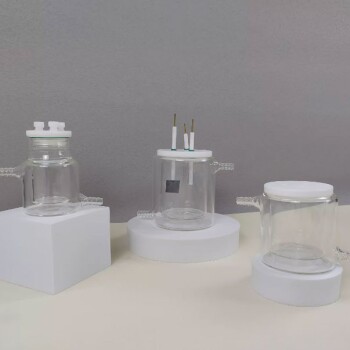
- H-Type Double-Layer Optical Electrolytic Electrochemical Cell with Water Bath
- H Type Electrolytic Cell Triple Electrochemical Cell
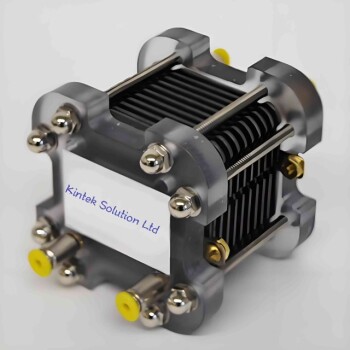
- Customizable PEM Electrolysis Cells for Diverse Research Applications
- Super Sealed Electrolytic Electrochemical Cell
- Electrolytic Electrochemical Cell with Five-Port
People Also Ask
- What is the overall structure of the H-type double-layer optical water bath electrolytic cell? Precision Design for Controlled Experiments
- How is the electrolyte managed in H-type electrolytic cells for specific reactions? Achieve Precise Control and High Purity
- What checks should be performed on the H-type electrolytic cell before use? Ensure Accurate Electrochemical Data
- What is important regarding temperature control for the H-type electrolytic cell? Ensure Precision and Data Integrity
- What is the overall structure of the H-type electrolytic cell? Understanding Dual-Chamber Electrochemical Designs