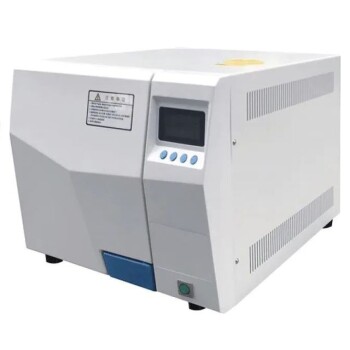
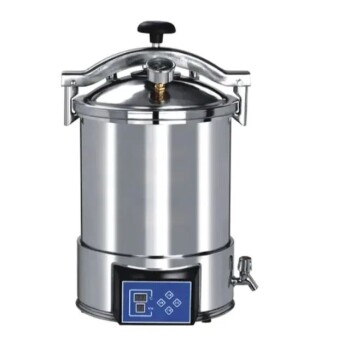
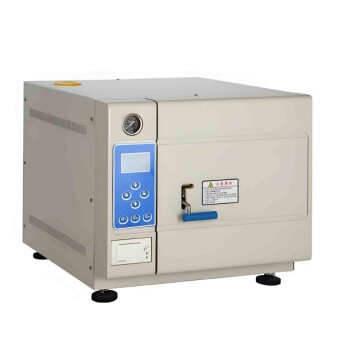
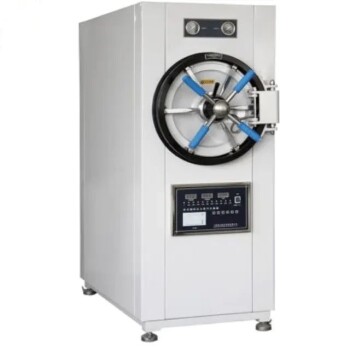
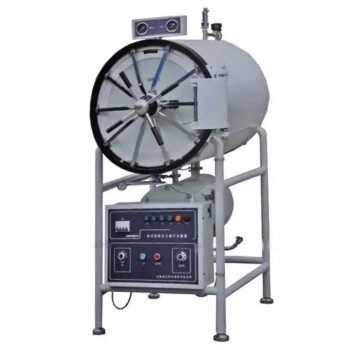
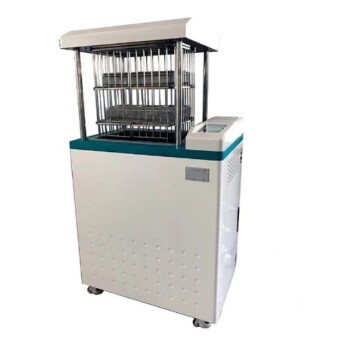
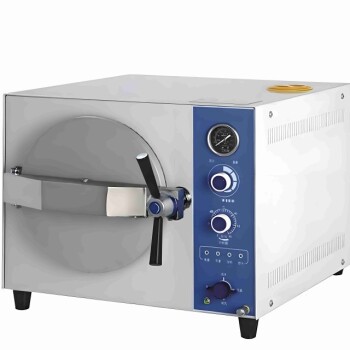
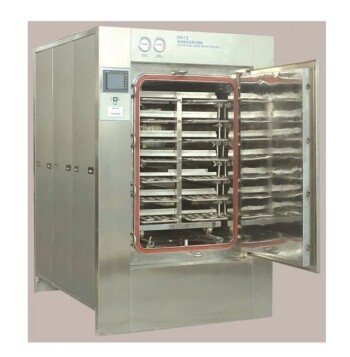
Laboratory autoclaves are designed to process a wide array of heat-resistant materials, specifically hard goods, liquids, and biological waste. These devices utilize saturated steam to sterilize items ranging from surgical instruments and borosilicate glassware to growth media and pipette tips.
Core Takeaway An autoclave uses moist heat (steam) under pressure to destroy microorganisms, making it compatible with any item that can withstand high temperatures (up to 137°C) and moisture. The load type—whether solid, liquid, or porous—determines not just compatibility, but also the specific sterilization cycle required.
Categories of Autoclavable Loads
Hard Goods and Solids
The most common application for laboratory autoclaves is the sterilization of solid, non-porous items. This category includes surgical instruments, laboratory utensils, and pharmaceutical objects.
Because steam can easily contact the surface of these items, they are generally straightforward to process.
Glassware and Plastics
Not all laboratory vessels are suitable for autoclaving. You can safely process Type I borosilicate glassware and specific "autoclavable" plastic materials.
Common plastic items include pipette tips and plastic tubes, provided the polymer is rated for high heat.
Liquids and Media
Autoclaves are essential for sterilizing liquids, solutions, and water. This is a critical function for preparing sterile growth media (culture media) used in biological research.
Biological Waste
Beyond sterilization for reuse, autoclaves serve a critical safety function: decontamination. They are used to treat regulated medical waste (biohazardous waste) to ensure it is biologically inert before final disposal.
Impact of Load Configuration
Non-Porous Items (Gravity Displacement)
For items where air can be easily displaced by steam, a standard gravity cycle is effective.
This is the preferred method for unwrapped items, most metals (specifically stainless steel), and standard laboratory glassware.
Porous and Hollow Items (Vacuum Assistance)
Items with cavities, hollows, or porous surfaces present a challenge because air pockets can insulate bacteria from the steam.
Wrapped surgical kits and items with hard-to-reach areas require a vacuum autoclave to forcibly remove air and ensure steam penetration.
Understanding the Trade-offs
Material Limitations
While versatile, the autoclave is not a universal solution. The primary reference emphasizes that the process relies on moist heat.
Materials that degrade in moisture or melt at temperatures below 135°C cannot be processed. Using non-autoclavable plastics can result in melted equipment and damage to the autoclave chamber.
The Importance of Surface Exposure
Loading technique is just as critical as material compatibility.
As noted in the standard procedure, items must be arranged to allow for steam circulation. If a compatible item is packed too tightly or sealed incorrectly, the steam cannot contact the surface, rendering the sterilization cycle ineffective.
Making the Right Choice for Your Goal
To ensure safety and efficacy, match your items to the correct material standards and cycle types.
- If your primary focus is general labware: Stick to Type I borosilicate glassware and stainless steel instruments, utilizing gravity displacement cycles for efficiency.
- If your primary focus is sterile media preparation: Ensure your liquid containers are vented or loosely capped to prevent explosion, and verify the liquid cycle settings.
- If your primary focus is complex or wrapped instruments: You must use a vacuum-assisted autoclave to ensure steam reaches the internal surfaces of hollows and porous wraps.
- If your primary focus is waste management: Verify that the biohazardous waste bags used are specifically rated for autoclave temperatures to prevent melting during decontamination.
Success in autoclaving depends on ensuring the steam can physically reach every surface of a heat-tolerant material.
Summary Table:
| Material Category | Compatible Items | Recommended Cycle Type |
|---|---|---|
| Hard Goods | Stainless steel instruments, lab utensils | Gravity Displacement |
| Glassware | Type I Borosilicate glass (Pyrex/Duran) | Gravity Displacement |
| Plastics | Polypropylene (PP), Autoclavable pipette tips | Gravity Displacement |
| Liquids | Growth media, saline, water | Liquid Cycle (Slow Exhaust) |
| Porous/Wrapped | Surgical kits, wrapped textiles | Vacuum Assisted (Pre-vac) |
| Waste | Biohazardous/Regulated medical waste | Decontamination Cycle |
Maximize Lab Sterility with KINTEK Solutions
Ensure the safety and integrity of your research with KINTEK’s high-performance laboratory equipment. From high-temperature high-pressure reactors and autoclaves to precision borosilicate glassware and PTFE consumables, we provide the tools necessary for rigorous sterilization and material processing.
Our experts specialize in helping laboratory professionals select the right equipment—whether you need muffle furnaces for heat treatment or hydraulic presses for sample preparation. Contact KINTEK today to discover how our comprehensive portfolio of laboratory consumables and advanced heating solutions can optimize your workflow and guarantee reliable results.
Related Products
- Desktop Fast Laboratory Autoclave Sterilizer 20L 24L for Lab Use
- Desktop Fast High Pressure Laboratory Autoclave Sterilizer 16L 24L for Lab Use
- Portable High Pressure Laboratory Autoclave Steam Sterilizer for Lab Use
- Portable Digital Display Automatic Laboratory Sterilizer Lab Autoclave for Sterilization Pressure
- Desktop Fast Laboratory Autoclave Sterilizer 35L 50L 90L for Lab Use
People Also Ask
- What are the two types of autoclave used in the laboratory? Gravity vs. Pre-Vacuum Explained
- What is a laboratory autoclave? A Guide to Sterilization with Pressurized Steam
- What precautions should be taken during autoclave in laboratory? A Complete Safety Guide to Prevent Burns and Explosions
- What extreme conditions does a laboratory autoclave simulate? Testing Wear Resistance of Nuclear Fuel Cladding
- What role does a laboratory autoclave play in HEA corrosion research? Key to Validating Advanced Reactor Materials