Cemented carbide balls are the critical standard for grinding precursor powders in this specific application because they deliver the high density and hardness necessary to generate high-impact kinetic energy. This energy is required to achieve a uniform mix of the powder with specific sintering aids, while the material's superior wear resistance prevents the introduction of metallic impurities common with standard steel media.
The selection of cemented carbide is driven by the need for high-impact energy to ensure uniform dispersion of sintering aids like Molybdenum, Nickel, and Magnesium Oxide. Its exceptional hardness prevents media degradation, ensuring the purity of the final ceramic composite.
The Mechanics of Effective Milling
To understand why cemented carbide is chosen, you must look at the physics of the ball milling process.
Leveraging High Density for Impact
The efficiency of the grinding process relies heavily on kinetic energy. Because cemented carbide has a significantly higher density than standard alternatives, the balls carry more momentum during the milling cycle.
This high-impact energy is essential for breaking down agglomerates and forcing the powder particles to interact physically.
The Role of Material Hardness
Hardness is not just about durability; it is about energy transfer.
A softer grinding medium might deform slightly upon impact, dissipating energy that should be directed at the powder. Cemented carbide’s extreme hardness ensures that the kinetic energy is transferred efficiently into the precursor powder, facilitating the necessary structural changes.
Maintaining Chemical Integrity
When preparing graphene-reinforced alumina ceramics, the purity of the precursor powder is paramount.
Superior Wear Resistance
Long-duration ball milling is an abrasive process. Standard steel balls are prone to degradation over extended cycles, physically wearing down as they grind the ceramic powder.
Cemented carbide offers superior wear resistance, maintaining its structural integrity even during the intense, long-duration milling required for these composites.
Minimizing Metallic Impurities
The wear debris from grinding media introduces impurities into the powder mixture.
If steel balls were used, the final ceramic would likely contain metallic contaminants that could compromise the material's thermal or electrical properties. Cemented carbide effectively reduces the introduction of these impurities, ensuring a cleaner precursor.
Facilitating Uniform Dispersion
The goal of this process is not just to grind, but to mix complex elements homogeneously.
Handling Sintering Aids
The primary reference notes that this process involves mixing the powder with specific sintering aids: Molybdenum (Mo), Nickel (Ni), and Magnesium Oxide (MgO).
Achieving a uniform distribution of these aids is difficult without sufficient energy. The high-impact collisions provided by cemented carbide balls ensure these elements are thoroughly integrated into the alumina/graphene matrix.
Understanding the Trade-offs
While cemented carbide is technically superior for this application, it is important to recognize the operational context.
Cost vs. Performance
Cemented carbide media is significantly more expensive than standard steel or ceramic balls. This choice represents a deliberate investment in quality and consistency over low operational costs.
Hardness vs. Equipment Wear
The same hardness that makes these balls effective can also be tough on the milling jar itself. While the balls resist wear, the high kinetic energy they generate requires that the milling container also be constructed of robust, compatible materials to prevent cross-contamination from the jar walls.
Making the Right Choice for Your Goal
When designing your powder preparation process, align your media selection with your specific technical requirements.
- If your primary focus is material purity: Select cemented carbide to mitigate the risk of metallic contamination that occurs with the degradation of steel balls.
- If your primary focus is mixture homogeneity: Rely on the high density of cemented carbide to generate the kinetic energy required to uniformly disperse sintering aids like Mo, Ni, and MgO.
By choosing cemented carbide, you ensure the kinetic efficiency required for uniform mixing while protecting the chemical purity of your advanced ceramic composite.
Summary Table:
| Feature | Cemented Carbide Balls | Standard Steel Media | Impact on Ceramic Quality |
|---|---|---|---|
| Density | High (14-15 g/cm³) | Moderate (~7.8 g/cm³) | Higher kinetic energy for uniform mixing |
| Hardness | Extreme (HRA 89-93) | Lower | Efficient energy transfer & less deformation |
| Wear Resistance | Superior | Poor (during long cycles) | Maintains chemical purity; minimal impurities |
| Application | High-purity composites | General-purpose milling | Crucial for dispersing Mo, Ni, and MgO aids |
Elevate Your Materials Research with KINTEK Precision Solutions
Don't let impurities or poor dispersion compromise your advanced ceramic composites. KINTEK specializes in high-performance laboratory equipment and consumables designed for the most demanding applications. From high-density cemented carbide grinding media and crushing and milling systems to high-temperature furnaces (vacuum, CVD, atmosphere) and hydraulic presses, we provide the tools you need to ensure purity and consistency.
Whether you are refining precursor powders for graphene-reinforced ceramics or exploring battery research, our technical experts are ready to help you select the perfect equipment for your workflow.
Ready to optimize your results? Contact KINTEK today to discuss your project requirements!
Related Products
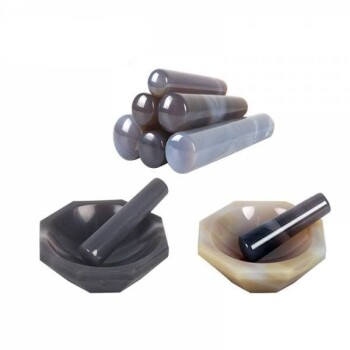
- Nature Agate Mortar and Pestle for Grinding and Mixing
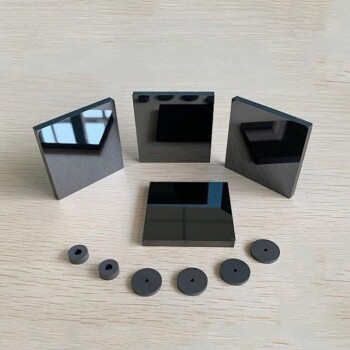
- Silicon Carbide (SIC) Ceramic Sheet Wear-Resistant Engineering Advanced Fine Ceramics
People Also Ask
- Why are agate mortars and pestles used for grinding iron oxide? Ensure Sample Purity for XRD Analysis
- What is the function of an agate mortar and pestle? Ensure Purity in Halide Solid-State Electrolyte Synthesis
- What is the primary function of an agate mortar and pestle? Optimize VO2+ CaZn2(PO4)2 Nanopowder Pre-Treatment
- Why is an agate mortar and pestle required for grinding Zr3(Al1-xSix)C2? Ensure Maximum Sample Purity
- Why is an agate mortar and pestle preferred for grinding MAX phase? Ensure Sample Purity & Zero Contamination