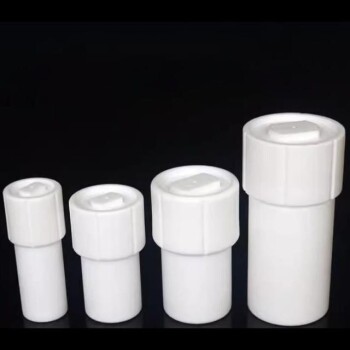
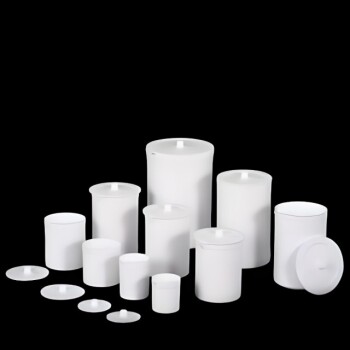
Hydrothermal autoclaves lined with Polytetrafluoroethylene (PTFE) are selected for MCC-1 static leaching experiments primarily to guarantee the chemical integrity of the test environment. This lining acts as a crucial barrier that possesses exceptional chemical inertness and stability at the standard testing temperature of 90°C. By using PTFE, researchers effectively isolate the leaching solution from the autoclave's metal shell, preventing external contamination and ensuring the results reflect only the corrosion behavior of the sample material.
The critical value of PTFE lies in its role as a contaminant blocker; it effectively isolates the leaching process from the vessel walls, ensuring that experimental data accurately reflects the sample's behavior rather than equipment interference.
The Critical Role of Chemical Inertness
To obtain valid data on borosilicate glass corrosion, the test environment must be free of chemical variables.
Eliminating Reactivity
PTFE is selected because it is chemically inert. In the context of leaching experiments, this means the lining will not react with the specific pH solutions or pure water used to test the sample.
Preventing Impurity Release
Unlike other materials that might degrade or outgas, PTFE does not release impurities into the solution. This ensures that any chemical changes detected in the water are caused solely by the degrading glass sample, not the container holding it.
Thermal Stability and Structural Isolation
MCC-1 experiments require sustained elevated temperatures, creating a harsh environment that necessitates robust materials.
Performance at 90°C
The leaching process typically occurs at 90°C to accelerate corrosion mechanisms. PTFE maintains its structural and chemical stability at this specific temperature, providing a reliable vessel for the duration of the experiment.
Shielding the Metal Shell
While the autoclave's outer shell is made of metal to withstand pressure, metal is chemically reactive with many leaching solutions. The PTFE lining isolates this metal shell, preventing it from corroding or introducing metal ions into the test solution, which would skew the results.
Common Pitfalls to Avoid
While PTFE is the superior choice for these experiments, understanding the consequences of compromising this barrier is essential for maintaining data quality.
The Risk of Direct Metal Contact
If a researcher attempts to perform these experiments without a liner (or with a damaged one), the leaching solution will contact the metal autoclave wall. This interaction invariably leads to the release of metallic impurities, rendering the data useless for assessing the glass's true corrosion resistance.
Temperature Limitations
While PTFE is stable at the standard 90°C used in MCC-1 tests, it is important to remember that it has thermal limits. Exceeding the rated temperature of the specific PTFE liner can lead to deformation or degradation, compromising the isolation of the metal shell.
Making the Right Choice for Your Goal
To ensure your leaching experiments provide defensible, high-quality data, apply these principles to your equipment selection:
- If your primary focus is Data Accuracy: Verify that your PTFE lining is intact before every run to ensure zero contact between the solution and the metal shell.
- If your primary focus is Standard Compliance: Ensure your autoclave setup can maintain a stable 90°C environment without fluctuating, as this thermal stability is required for the PTFE to perform as intended.
By prioritizing the inert capabilities of PTFE, you transform your autoclave from a simple pressure vessel into a precision analytical tool.
Summary Table:
| Feature | PTFE Lining Benefit in MCC-1 Experiments |
|---|---|
| Chemical Inertness | Prevents reactions between the vessel and leaching solutions/pH buffers. |
| Purity Control | Eliminates impurity release, ensuring data reflects only sample corrosion. |
| Thermal Stability | Maintains structural integrity at the standard 90°C testing temperature. |
| Metallic Isolation | Blocks contact with the outer metal shell to prevent ion contamination. |
| Data Reliability | Minimizes variables to provide defensible, high-quality analytical data. |
Elevate Your Material Research with KINTEK Precision
Don't let equipment interference compromise your analytical data. KINTEK specializes in high-performance laboratory equipment, providing high-temperature high-pressure reactors and autoclaves specifically designed for rigorous testing like MCC-1 leaching. Our high-quality PTFE liners and essential consumables ensure your experiments maintain perfect chemical integrity.
Whether you need robust hydrothermal autoclaves, crushing and milling systems, or specialized PTFE products and ceramics, our comprehensive portfolio supports the most demanding lab environments.
Ready to secure the accuracy of your leaching experiments? Contact KINTEK today to find the perfect solution for your research goals!
References
- Kemian Qin, Haibo Peng. Influence of radiation on borosilicate glass leaching behaviors. DOI: 10.1038/s41529-024-00426-0
This article is also based on technical information from Kintek Solution Knowledge Base .
Related Products
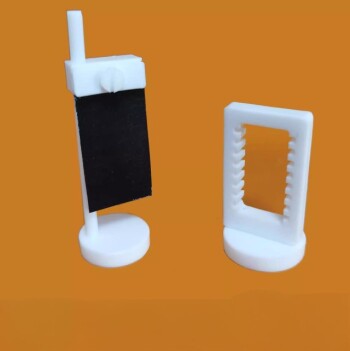
- Custom PTFE Teflon Parts Manufacturer for Hydrothermal Synthesis Reactor Polytetrafluoroethylene Carbon Paper and Carbon Cloth Nano-growth
- High Pressure Laboratory Autoclave Reactor for Hydrothermal Synthesis
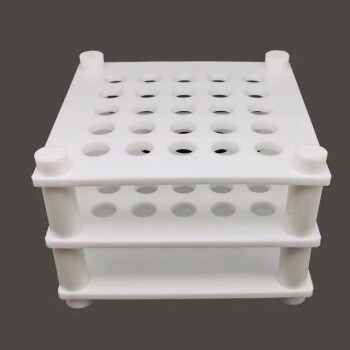
- Custom PTFE Teflon Parts Manufacturer for Centrifuge Tube Racks
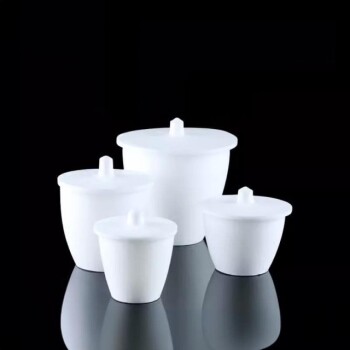
- Custom Machined and Molded PTFE Teflon Parts Manufacturer with PTFE Crucible and Lid
- Custom PTFE Teflon Parts Manufacturer for PTFE Mesh F4 Sieve
People Also Ask
- What is the function of a PTFE reactor in MXene etching? Ensure Safe, High-Purity MAX Phase Conversion
- Why is a PTFE reactor required for titanium-based nano-ceramic coating solutions? Ensure Chemical Inertness & Purity
- Why must a Polytetrafluoroethylene (PTFE) reactor be used for Ti3C2TX MXene etching? Ensure Safety and Purity
- Why are PTFE reactors preferred for silver phosphate glass testing? Ensure Purity and Kinetic Accuracy
- What are the advantages of using polytetrafluoroethylene (PTFE) liners in hydrothermal synthesis reactors? High Purity