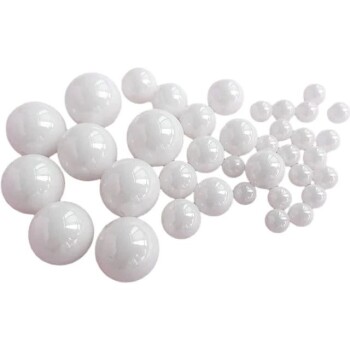
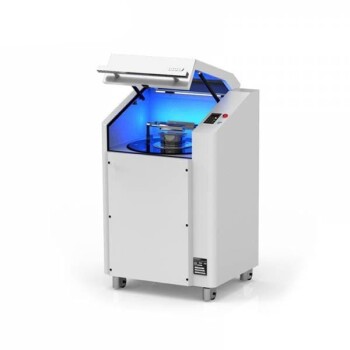
The selection of zirconia (ZrO2) media is driven by the need to balance high-energy mechanical impact with strict purity control.
Zirconia grinding jars and milling balls are used for the mechanochemical synthesis of Li2ZrCl6 and its iron-substituted variants primarily because of their exceptional hardness and wear resistance. These properties allow the media to deliver the intense mechanical energy required to induce chemical reactions and lattice distortions without degrading. Simultaneously, zirconia’s chemical inertness prevents the introduction of unwanted metallic impurities, ensuring the synthesized halide solid-state electrolytes retain high purity and optimal electrochemical performance.
Core Insight: Successful mechanochemical synthesis requires a vessel that is harder than the reactants but chemically invisible to them. Zirconia provides the necessary impact energy to drive solid-state reactions while acting as a barrier against metallic contamination, ensuring that any iron present in the final product is there by design, not by accident.
The Mechanics of Synthesis
To understand why zirconia is the standard, we must look at the physical requirements of mechanochemistry.
Exceptional Hardness and Wear Resistance
The synthesis of Li2ZrCl6 requires high-energy ball milling to facilitate solid-phase reactions. Zirconia is an extremely hard ceramic material.
It withstands the intense, repetitive impacts of the milling process without suffering significant abrasion. This durability ensures that the grinding media retains its shape and mass over prolonged cycles.
Inducing Lattice Distortions
The goal of milling is not just mixing, but modifying the crystal structure. The mechanical impact provided by zirconia balls induces structural defects and lattice distortions.
These distortions create non-equilibrium conditions that facilitate the formation of the desired halide compound. This process effectively bypasses the high energy consumption associated with traditional high-temperature sintering.
The Criticality of Purity
For solid-state electrolytes like Li2ZrCl6, purity is the defining factor for performance.
Chemical Inertness
Zirconia is chemically inert, meaning it does not react with the precursors or the resulting electrolyte.
This is vital when synthesizing air-sensitive halide electrolytes. The inert nature of the jar and balls ensures that the chemical composition of the electrolyte remains exactly as calculated, without side reactions altering the stoichiometry.
Preventing Metallic Contamination
Standard stainless steel grinding media can shed microscopic metal particles during high-energy collisions.
In the context of electrolytes, metallic impurities are detrimental to ionic conductivity and electrochemical stability. Zirconia eliminates this risk, preventing "accidental doping" from the jar itself.
Controlled Substitution
The user asked about iron-substituted Li2ZrCl6. Using zirconia is critical here to ensure stoichiometric control.
If you were to use steel balls, iron contamination would be uncontrolled and unpredictable. By using inert zirconia, researchers ensure that the only iron introduced into the system is the specific amount of iron precursor added intentionally to achieve the desired substitution ratio.
Understanding the Trade-offs
While zirconia is the superior choice for this specific application, it is important to understand the operational limitations compared to other materials.
Density vs. Impact Energy
Zirconia has a high density, which provides sufficient impact energy for most synthesis routes, including halides.
However, it is generally less dense than tungsten carbide or stainless steel. For certain reactions requiring extreme impact energy (like the synthesis of Li3P or Li3N mentioned in supplementary data), denser metallic media might be preferred if contamination is not the primary concern. For Li2ZrCl6, zirconia offers the best balance of sufficient density and zero contamination.
Thermal Insulation
Zirconia is a ceramic and conducts heat poorly compared to metal.
During high-energy milling, localized heat is generated. While this can aid the reaction, it can also lead to heat accumulation inside the jar. Processes must be monitored to ensure the temperature does not degrade sensitive precursors.
Making the Right Choice for Your Goal
When setting up your mechanochemical synthesis, your choice of media defines your results.
- If your primary focus is high ionic conductivity: Stick to zirconia to strictly prevent metallic impurities that impede ion transport.
- If your primary focus is precise doping (e.g., Iron-substitution): Use zirconia to ensure that any dopant in the material is added intentionally, maintaining exact stoichiometric control.
- If your primary focus is environmental stability: Ensure your zirconia jars are high-quality and hermetically sealed to maintain an inert argon atmosphere, preventing moisture hydrolysis.
Zirconia provides the only reliable pathway to synthesizing high-purity halide electrolytes where the chemistry is defined by your precursors, not your equipment.
Summary Table:
| Feature | Zirconia (ZrO2) Grinding Media | Impact on Li2ZrCl6 Synthesis |
|---|---|---|
| Hardness | High Ceramic Hardness | Facilitates lattice distortions and solid-state reactions. |
| Wear Resistance | Exceptional | Prevents media degradation during high-energy milling. |
| Chemical Inertness | High | Prevents side reactions with sensitive halide precursors. |
| Contamination | Non-Metallic | Eliminates accidental doping from iron or chromium. |
| Stoichiometric Control | Precise | Ensures iron substitution levels are strictly intentional. |
| Density | High (~6.0 g/cm³) | Provides sufficient impact energy for halide formation. |
Elevate Your Material Research with KINTEK
Precision in mechanochemical synthesis starts with high-quality, contamination-free grinding media. KINTEK specializes in advanced laboratory equipment designed for the most demanding applications, including battery research tools and high-performance crushing and milling systems.
Whether you are synthesizing next-generation solid-state electrolytes like Li2ZrCl6 or perfecting stoichiometric iron substitution, our premium zirconia (ZrO2) jars and milling balls ensure the purity and durability your research requires. Explore our full range of solutions—from high-temperature furnaces and hydraulic presses to specialized PTFE and ceramic consumables.
Ready to optimize your electrolyte synthesis? Contact our experts at KINTEK today to find the perfect milling configuration for your laboratory.
Related Products
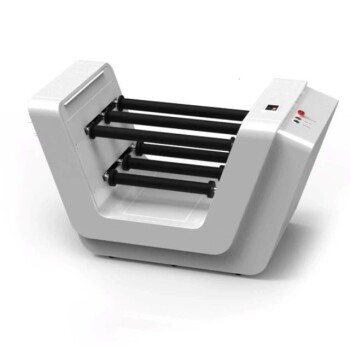
- Laboratory Jar Ball Mill with Alumina Zirconia Grinding Jar and Balls
- Laboratory Ball Mill Jar Mill with Metal Alloy Grinding Jar and Balls
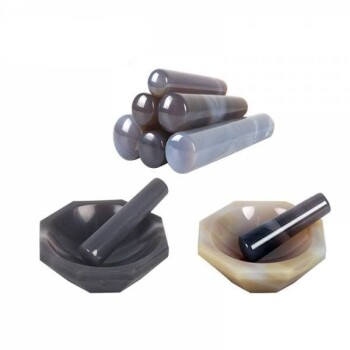
- Laboratory Jar Mill with Agate Grinding Jar and Balls
- Precision Machined Zirconia Ceramic Ball for Engineering Advanced Fine Ceramics
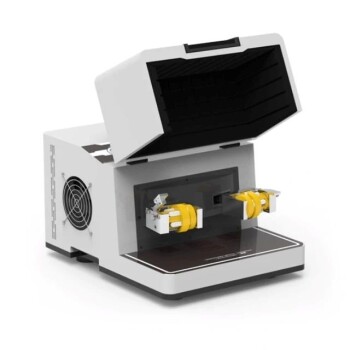
- High Energy Planetary Ball Mill Milling Machine for Laboratory
People Also Ask
- What are the primary functions of using a ball mill for BZCY72 powder? Achieve High Purity and Enhanced Sintering
- In what way does a laboratory ball mill affect material properties when modifying PHBV/pulp fiber composites?
- Why is a laboratory ball mill required for ultra-fine fly ash? Unlock Nano-Scale Adsorption Power
- What is the function of a laboratory ball mill in the preparation of AMMCs? Optimize Dispersion & Grain Refinement
- What is the function of a laboratory ball mill in the pretreatment of waste tire char (WTC)? Optimize Material Reactivity