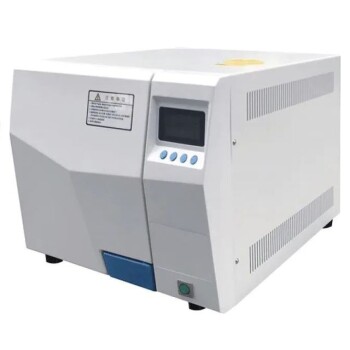
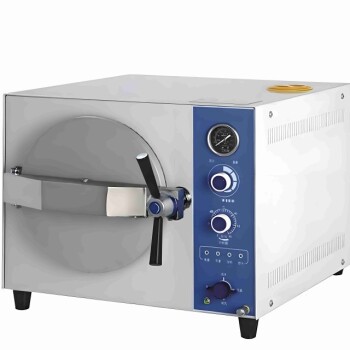
The necessity of a PTFE-lined autoclave stems from the aggressive chemical environment and high-purity requirements of hydrothermal synthesis.
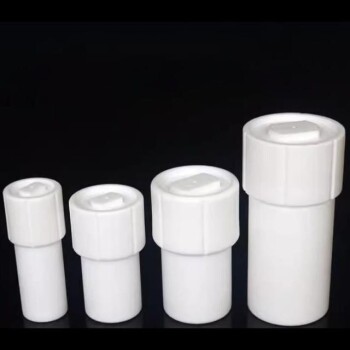
In the synthesis of SrZrO3 precursors, the reaction often utilizes highly alkaline solutions like Potassium Hydroxide (KOH) at temperatures reaching 200 °C. A Polytetrafluoroethylene (PTFE) liner is required to provide exceptional chemical corrosion resistance, preventing these caustic reagents from attacking the stainless steel outer shell while ensuring the final nanomaterials remain free from metal impurities.
Core Takeaway: The PTFE liner acts as a critical chemical barrier that protects the structural integrity of the autoclave and ensures the high purity of SrZrO3 by preventing metal ion contamination during high-pressure, high-temperature reactions.
The Challenge of Alkaline Corrosion
Protecting the Structural Shell
The hydrothermal synthesis of SrZrO3 requires a sealed environment to reach high temperatures and pressures. While the stainless steel exterior provides the mechanical strength to handle these pressure loads, it is vulnerable to corrosion from strong alkalis.
The Role of Chemical Inertness
PTFE (Polytetrafluoroethylene) is chosen for its extreme chemical stability. It remains inert even when exposed to the highly alkaline synthesis gels and precursor solutions required to trigger the nucleation of SrZrO3.
Achieving High Purity in Nanomaterials
Preventing Metal Ion Migration
Without a liner, the reaction liquid would directly contact the metal walls of the autoclave. This contact causes metal ion infiltration, where elements from the steel leach into the solution and contaminate the SrZrO3 precursor.
Ensuring Structural Integrity
By using a PTFE liner, researchers eliminate the risk of metal impurities affecting the crystalline structure of the nanomaterials. This is vital for maintaining the specific dielectric and structural properties required for strontium zirconate applications.
Managing the Hydrothermal Environment
Reaching the Subcritical State
The sealed autoclave allows the solvent to reach a subcritical state, which accelerates chemical reaction rates. This environment is necessary to induce the disproportionation and complexation reactions of metal salts that form the SrZrO3 precursor.
Thermal Stability at 200 °C
PTFE is specifically rated for the temperatures typically used in these syntheses, such as 200 °C (or 473 K). It maintains its physical form and protective qualities throughout the extended periods required for in-situ nucleation.
Understanding the Trade-offs
Temperature Limitations
The primary drawback of PTFE is its thermal ceiling, as it typically begins to soften or degrade above 250 °C. If a synthesis requires temperatures exceeding this limit, alternative liners like PPL (Polyphenylene polymers) or gold-plated interiors must be considered.
Thermal Expansion Risks
PTFE and stainless steel have different coefficients of thermal expansion. If the autoclave is cooled too rapidly, the liner can deform or crack, potentially leading to leaks that expose the steel shell to corrosive reagents.
How to Apply This to Your Project
Recommendations Based on Synthesis Goals
- If your primary focus is Maximum Purity: Always inspect the PTFE liner for any discoloration or pitting before use to ensure no previous residues contaminate your SrZrO3 batch.
- If your primary focus is Equipment Longevity: Ensure the autoclave is cooled slowly to room temperature to prevent the PTFE liner from deforming due to thermal contraction.
- If your primary focus is Safety: Never exceed the maximum fill volume (typically 80%) of the PTFE liner to allow for liquid expansion and prevent over-pressurization.
Properly utilizing a PTFE liner ensures that the extreme conditions required for SrZrO3 synthesis result in a high-quality, uncontaminated product while safeguarding your laboratory equipment.
Summary Table:
| Feature | Role in SrZrO3 Synthesis | Key Benefit |
|---|---|---|
| Chemical Inertness | Resists aggressive KOH solutions | Protects autoclave shell from corrosion |
| Purity Barrier | Prevents contact with stainless steel | Eliminates metal ion contamination |
| Thermal Rating | Stable up to 200 °C / 473 K | Facilitates subcritical hydrothermal reactions |
| Physical Design | Removable liner system | Simplifies cleaning and prevents cross-batch residue |
Elevate Your Material Synthesis with KINTEK Precision
Achieving high-purity SrZrO3 precursors requires equipment that can withstand the most aggressive hydrothermal conditions. KINTEK specializes in high-performance laboratory solutions, offering a comprehensive range of high-temperature high-pressure reactors and autoclaves specifically designed for demanding research environments.
Whether you need robust PTFE-lined vessels, advanced CVD/PECVD systems, or precision hydraulic presses, our team provides the reliability and expertise your lab deserves. Don't compromise on purity or equipment longevity—let KINTEK support your next breakthrough.
Ready to upgrade your lab setup? Contact us today to find the perfect autoclave solution!
References
- Shizhao Si, Bo Tang. Visible Photocatalytic Hydrogen Evolution by g-C3N4/SrZrO3 Heterostructure Material. DOI: 10.3390/nano13060977
This article is also based on technical information from Kintek Solution Knowledge Base .
Related Products
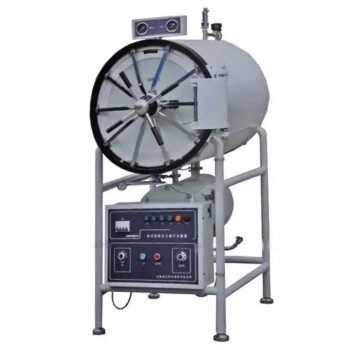
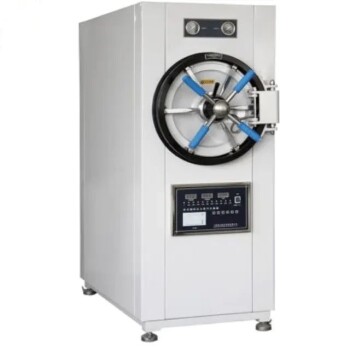
- Laboratory High Pressure Horizontal Autoclave Steam Sterilizer for Lab Use
- Stainless High Pressure Autoclave Reactor Laboratory Pressure Reactor
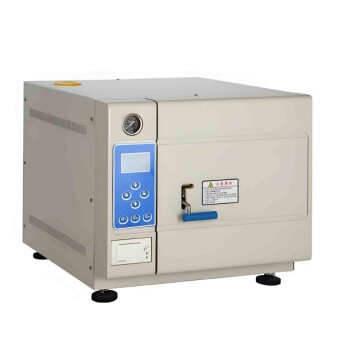
- Desktop Fast High Pressure Laboratory Autoclave Sterilizer 16L 24L for Lab Use
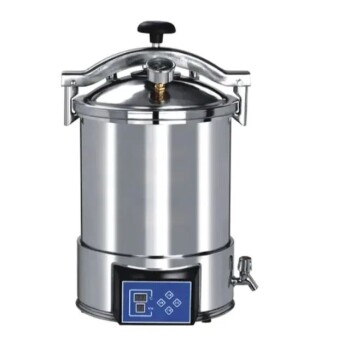
- Portable High Pressure Laboratory Autoclave Steam Sterilizer for Lab Use
- Laboratory High Pressure Steam Sterilizer Vertical Autoclave for Lab Department
People Also Ask
- Why is a laboratory high-pressure autoclave sterilizer necessary? Ensure Accuracy in Antibacterial Research
- What is the role of a laboratory high-pressure autoclave in the conversion of furfural to piperidine? Optimize Yields
- What is the primary function of a laboratory autoclave in the pre-treatment of medical plastic waste for liquid fuel?
- What is an autoclave laboratory equipment? The Ultimate Guide to Steam Sterilization
- What is a laboratory autoclave? A Guide to Sterilization with Pressurized Steam