The hydrothermal synthesis of HM-ZSM-5 requires a PTFE-lined stainless steel autoclave to create a high-pressure, high-temperature environment while protecting the equipment from chemical attack. This specific configuration allows the precursor gel to reach the subcritical conditions necessary for crystallization without corroding the reactor or contaminating the zeolite with metal ions.
Core Takeaway: A PTFE-lined autoclave is the industry standard because it combines the mechanical strength of steel to contain high autogenous pressure with the chemical inertness of Teflon to ensure material purity and reactor longevity.
The Structural Role of the Stainless Steel Shell
Withstanding High Autogenous Pressure
During synthesis, the reaction mixture is heated to temperatures often reaching 180 °C, well above the boiling point of water. In a sealed environment, this generates autogenous pressure, which the stainless steel outer shell is designed to contain safely.
Providing Thermal Stability and Safety
Stainless steel offers the structural integrity needed to maintain a constant environment over long crystallization periods. Without this rigid exterior, the internal pressure would cause the reaction vessel to deform or fail, posing a significant laboratory safety risk.
Ensuring Consistent Heat Distribution
The metal shell acts as an effective medium for heat transfer from the oven to the internal reaction gel. This ensures that the entire volume of the "mother liquor" reaches the uniform temperature required for consistent MFI framework growth.
The Chemical Necessity of the PTFE (Teflon) Liner
Protection Against Corrosive Synthesis Gels
The precursor gels used for HM-ZSM-5 are often highly alkaline or contain aggressive activation agents. PTFE (Polytetrafluoroethylene) is exceptionally inert, preventing these chemicals from eating away at the stainless steel walls during the hydrothermal process.
Preventing Metal Ion Contamination
If the synthesis gel were in direct contact with the steel, iron, nickel, or chromium ions could leach into the solution. These impurities would integrate into the zeolite framework, potentially altering its catalytic properties and ruining the purity of the HM-ZSM-5.
Facilitating Clean Material Recovery
The non-stick properties of Teflon make it easier to recover the synthesized zeolite powder after the reaction is complete. This reduces waste and simplifies the cleaning process, ensuring the vessel is ready for subsequent batches without cross-contamination.
Facilitating the Phase Transformation
Achieving a Supersaturated State
The sealed nature of the autoclave allows the reaction mixture to enter a subcritical state. In this environment, the aluminosilicate species become supersaturated, which is the driving force behind the nucleation of the zeolite crystals.
Reorganizing Amorphous Matter to MFI Structure
The high-pressure environment facilitates the deep reaction between silicon and aluminum sources guided by structure-directing agents. This allows the amorphous gel to reorganize into the highly crystalline, long-range ordered structure characteristic of HM-ZSM-5.
Understanding the Trade-offs
Temperature Limitations of PTFE
While PTFE is chemically resilient, it has a functional temperature ceiling, typically around 220 °C to 250 °C. Exceeding these temperatures can cause the liner to soften or "creep," leading to potential leaks or permanent deformation of the internal seal.
Thermal Expansion Mismatch
PTFE expands significantly more than stainless steel when heated. If the autoclave is not designed with the correct tolerances, this expansion can create immense internal stress or cause the liner to buckle, which may compromise the seal during the cooling phase.
How to Apply This to Your Project
When selecting or operating an autoclave for zeolite synthesis, consider your primary objective to ensure the best results:
- If your primary focus is Maximum Purity: Always inspect the PTFE liner for scratches or discoloration before use, as surface defects can trap impurities from previous reactions.
- If your primary focus is High-Temperature Synthesis (Above 220 °C): Consider upgrading to a PPL (Polyphenylene sulfide) liner, which offers higher thermal stability than standard PTFE.
- If your primary focus is Structural Consistency: Ensure the autoclave is filled to the recommended volume (typically 60-80%) to maintain the proper headspace for pressure stabilization.
By correctly balancing the mechanical strength of steel with the chemical resistance of PTFE, you ensure a controlled, high-yield crystallization process for advanced zeolite materials.
Summary Table:
| Component | Primary Function | Key Benefit for Zeolite Synthesis |
|---|---|---|
| Stainless Steel Shell | Structural Integrity | Safely contains high autogenous pressure at 180°C+ |
| PTFE (Teflon) Liner | Chemical Inertness | Prevents metal contamination and resists corrosive gels |
| Sealed Design | Pressure Generation | Facilitates subcritical conditions for MFI framework growth |
| Non-stick Surface | Material Recovery | Simplifies zeolite collection and prevents cross-contamination |
Elevate Your Material Synthesis with KINTEK Precision
Achieving the perfect crystalline structure for HM-ZSM-5 requires equipment that never compromises on safety or purity. KINTEK specializes in high-performance high-temperature high-pressure reactors and autoclaves, specifically designed to withstand rigorous hydrothermal conditions while protecting your samples from contamination.
From PTFE and PPL-lined reactors to advanced cooling solutions and essential ceramic consumables, we provide the tools researchers need for consistent, high-yield results.
Ready to upgrade your laboratory setup? Contact our technical experts today to discuss your specific synthesis requirements and discover how our comprehensive range of laboratory equipment can accelerate your research.
References
- Ahmed El Fadaly, Fouad I. El-Hosiny. Xylene Isomerization using Hierarchically Mesoporous ZSM-5. DOI: 10.9767/bcrec.19270
This article is also based on technical information from Kintek Solution Knowledge Base .
Related Products
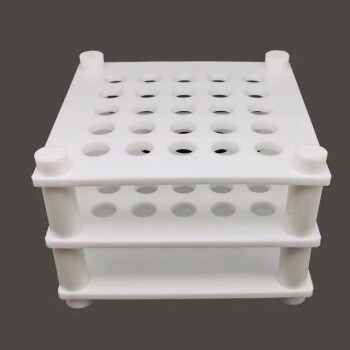
- Custom PTFE Teflon Parts Manufacturer for Centrifuge Tube Racks
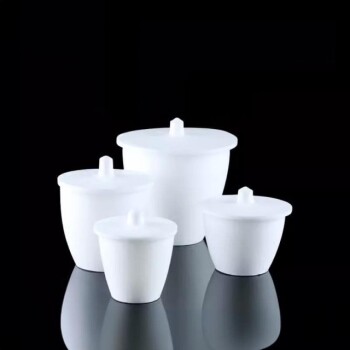
- Custom Machined and Molded PTFE Teflon Parts Manufacturer with PTFE Crucible and Lid
- Custom PTFE Teflon Parts Manufacturer for Hollow Cleaning Basket and Rack Carrier
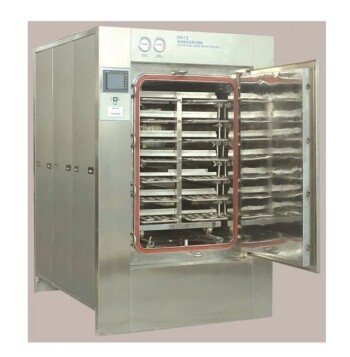
- Laboratory High Pressure Steam Sterilizer Vertical Autoclave for Lab Department
- Laboratory Sterilizer Lab Autoclave Herbal Powder Sterilization Machine for Plant
People Also Ask
- Why is slender PTFE tubing necessary for flow control in multi-channel catalyst aging? Ensure Equal Gas Distribution
- Why are PTFE containers required for PCT leaching tests? Ensure Chemical Inertness and Analytical Precision
- Why are PTFE containers necessary for selective HF etching of MAX phases? Ensure Safe & Pure MXene Synthesis
- What role do PTFE containers play in trace metal detection? Ensure Analytical Precision in Photocatalysis Studies
- Why is a PTFE container required for acid leaching of silicon nanosheets? Ensure High Purity and Safety