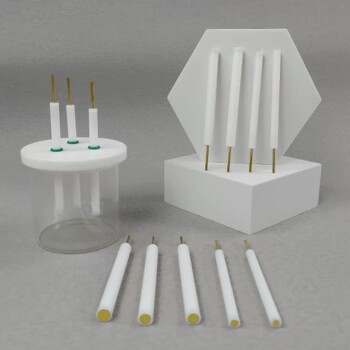
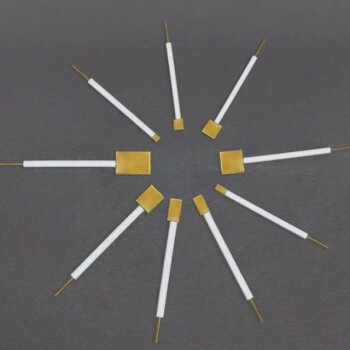
Platinum wire is the industry standard for counter electrodes because it offers a rare combination of extreme chemical stability and high electrical conductivity. This ensures the electrochemical circuit is completed without the electrode itself reacting, dissolving, or introducing impurities that would skew the data. By serving as an "inert sink" for charge, platinum allows researchers to isolate and measure the precise behavior of the working electrode.
The primary purpose of a platinum counter electrode is to provide a stable, non-reactive platform for charge balance. It ensures that the current measured in a three-electrode system reflects the performance of the research subject, rather than the limitations or side reactions of the measurement hardware.
The Foundation of Chemical Inertness
Stability Across Extreme pH Ranges
Platinum remains exceptionally stable in aggressive environments, ranging from strong acids to highly alkaline electrolytes like 6 M KOH. Unlike less noble metals, it does not oxidize or degrade when subjected to the potentials required for most electrochemical experiments.
Prevention of Electrolyte Contamination
Because platinum is chemically "lazy," it does not dissolve or release metal ions into the solution. This is critical because leached impurity ions could migrate to the working electrode and interfere with the specific chemical reactions being studied.
Reliability in Corrosive Media
In complex or corrosive media, such as chloride-rich solutions, platinum maintains its integrity. This reliability ensures that the unobstructed current loop necessary for accurate testing remains consistent throughout the duration of the experiment.
Enhancing Measurement Precision
High Electrical Conductivity
Platinum's superior conductivity allows it to carry the full experimental current with minimal resistive loss. This ensures that the power source can effectively drive the reaction at the working electrode without being throttled by the counter electrode's material properties.
Minimizing Polarization and Overpotential
Platinum possesses high catalytic activity, particularly for reactions like hydrogen evolution. This property allows it to transfer electrons quickly and with very low overpotential, preventing "bottlenecks" in the circuit that could lead to measurement errors.
Protecting the Reference Electrode
In a three-electrode setup, the platinum wire carries the current so that zero current flows through the reference electrode. This separation prevents the reference electrode from becoming polarized, which is essential for maintaining a stable and accurate reference potential.
Understanding the Trade-offs
High Material Costs
The most significant disadvantage of platinum is its prohibitive cost. While it is the most reliable material, labs must often weigh the need for high-purity platinum against the budget constraints of large-scale or high-throughput testing.
Surface Area Limitations
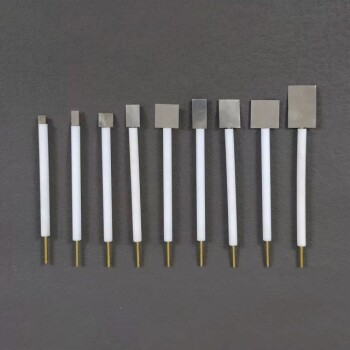
A simple platinum wire may not provide enough surface area for experiments involving very high current densities. If the counter electrode is significantly smaller than the working electrode, it can become a limiting factor, necessitating the use of platinum sheets or mesh instead.
Potential Catalytic Interference
While its catalytic activity is usually a benefit, it can occasionally be a downside if the gaseous byproducts (like oxygen or hydrogen) interfere with the working electrode. In these cases, the physical placement of the wire or the use of a divided cell becomes necessary.
How to Apply This to Your Project
When selecting a counter electrode configuration, consider the specific requirements of your electrochemical cell and the nature of your research subject.
- If your primary focus is routine analytical testing: Use a high-purity platinum wire to ensure a stable current path and minimal contamination at a lower cost than sheets.
- If your primary focus is high-current energy storage (e.g., supercapacitors): Opt for a platinum sheet or mesh to maximize surface area and prevent the counter electrode from limiting the measured current.
- If your primary focus is trace metal analysis: Ensure the platinum wire is flame-cleaned or chemically treated between uses to prevent cross-contamination from previous experiments.
By leveraging the unique properties of platinum, you ensure that your electrochemical data is a true reflection of your material's performance.
Summary Table:
| Key Property | Benefit to Electrochemical Testing | Recommended Application |
|---|---|---|
| Chemical Inertness | Prevents electrolyte contamination & resists corrosion across pH ranges. | Routine analytical testing & corrosive media. |
| High Conductivity | Ensures minimal resistive loss and efficient charge transfer. | High-precision research & sensitive measurements. |
| Low Overpotential | Catalytic activity prevents circuit bottlenecks and measurement errors. | Fast electron transfer studies. |
| High Purity | Eliminates interference from leached metal ions. | Trace metal analysis & material characterization. |
Elevate Your Electrochemical Research with KINTEK
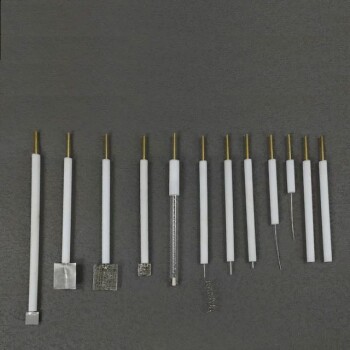
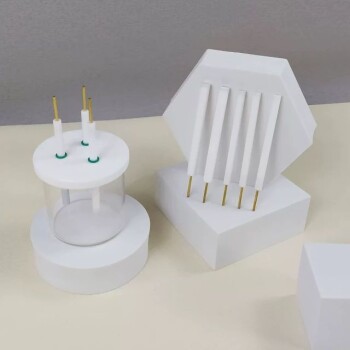
Precision in the lab starts with reliable hardware. KINTEK specializes in high-performance laboratory equipment, offering a comprehensive range of electrolytic cells, high-purity platinum electrodes (wire, mesh, and sheet), and advanced battery research tools.
Whether you are conducting routine analytical testing or developing next-generation energy storage solutions, our premium consumables ensure your data remains a true reflection of your materials' performance. From high-temperature high-pressure reactors to PTFE products and ceramics, we provide the stability and conductivity your research demands.
Ready to upgrade your laboratory setup? Contact KINTEK today to explore our full portfolio and find the perfect match for your specific testing requirements!
References
- Rui Lou, Xiao Zhang. Metal–Organic-Framework-Mediated Fast Self-Assembly 3D Interconnected Lignin-Based Cryogels in Deep Eutectic Solvent for Supercapacitor Applications. DOI: 10.3390/polym15081824
This article is also based on technical information from Kintek Solution Knowledge Base .
Related Products
- Platinum Auxiliary Electrode for Laboratory Use
- Platinum Sheet Electrode for Laboratory and Industrial Applications
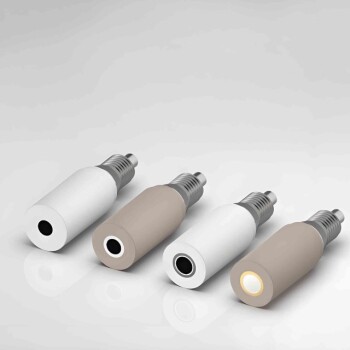
- Rotating Platinum Disk Electrode for Electrochemical Applications
- Platinum Sheet Electrode for Battery Lab Applications
- RRDE rotating disk (ring disk) electrode / compatible with PINE, Japanese ALS, Swiss Metrohm glassy carbon platinum
People Also Ask
- What is the function of a platinum electrode as an auxiliary electrode? Ensure Precise Nickel Coating Corrosion Testing
- Why is platinum typically selected as the auxiliary electrode for electrochemical testing of oxazoline inhibitors?
- What does the auxiliary electrode do? Ensuring Accurate Electrochemical Measurements
- What are the roles of Pt counter and reference electrodes in nitrided steel testing? Optimize Your Electrochemical Data
- What are the advantages of using a platinum counter electrode? Ensure Purity in Photocatalytic Coating Deposition