Thermal elements, also known as heating elements, are devices that convert electrical energy into heat energy. They are widely used in laboratory equipment, industrial processes, and household appliances. Thermal elements can be made of various materials such as nichrome, platinum, tungsten, and silicon carbide, depending on the application. They come in different shapes and sizes, including tubular, screen-printed, radiative, and removable ceramic core elements. Thermal elements work by generating heat through resistance when electricity passes through them. This heat can then be used for heating fluids, solids, or gases in a wide range of applications.
Toggle Categories
Get Instant Support
Choose your preferred way to connect with our team
-
Get Free Quote Fill out form for detailed pricing
-
Send Email Detailed inquiry support
-
WhatsApp Quick mobile chat
Response Time
Within 8 hours on working days, 24 hours on holidays
thermal elements
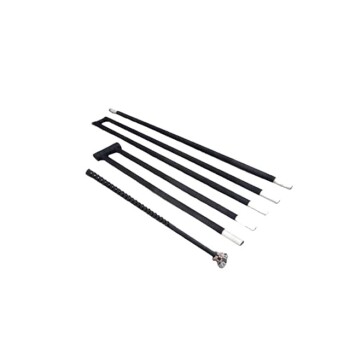
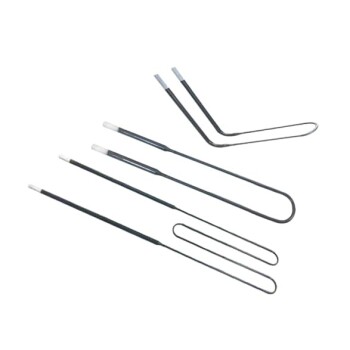
Silicon Carbide SiC Thermal Heating Elements for Electric Furnace
Item Number: KT-SH
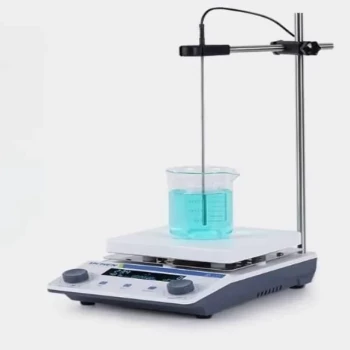

Lab Electrochemical Workstation Potentiostat for Laboratory Use
Item Number: KT-CHIP
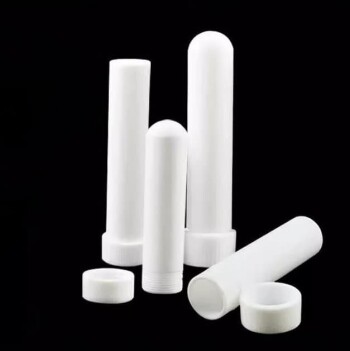
Custom PTFE Teflon Parts Manufacturer for Centrifuge Tubes
Item Number: PTFE-32

Custom PTFE Teflon Parts Manufacturer for Magnetic Stirring Bar
Item Number: PTFE-27
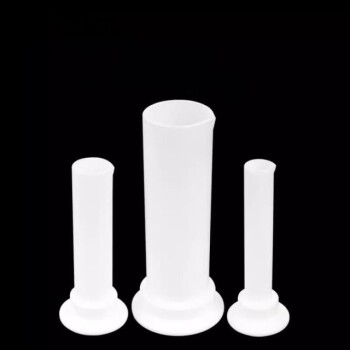
Custom PTFE Teflon Parts Manufacturer for PTFE Measuring Cylinder 10/50/100ml
Item Number: PTFE-35

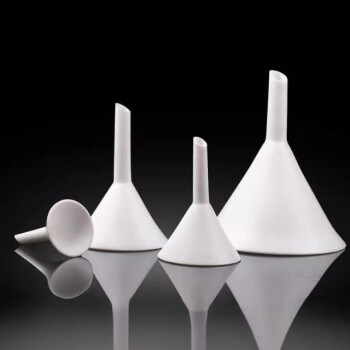
Custom PTFE Teflon Parts Manufacturer for PTFE Buchner Funnel and Triangular Funnel
Item Number: PTFE-30
We have the best Thermal Elements solutions to meet your needs. Our portfolio offers a range of standard solutions, from composite heating elements to screen-printed metal-ceramic tracks, with bespoke designs available for unique applications. Our tubular and radiative heating elements offer efficient and reliable performance, while our combination heating element systems utilize best materials for high-temperature furnaces.
Applications of Thermal Elements
- Tubular (sheathed) elements - used in electric stoves, ovens, coffee makers, and toaster ovens
- Screen-printed metal-ceramic tracks - found in kettles and other domestic appliances
- Radiative heating elements - used in radiant space heaters and food warmers
- Removable ceramic core elements - used for fluid heating under pressure
- Combination heating element systems - used in high-temperature furnaces and gas ovens
- Graphite heating elements - used in various thermal applications due to their thermal properties and chemical resistance
Advantages of Thermal Elements
- Thermal elements provide excellent temperature uniformity, which is necessary for consistent results in laboratory experiments.
- They have high thermal stability, allowing them to operate at extremely high temperatures without degrading or failing.
- Thermal elements are designed to have a long lifespan, reducing the need for frequent replacements and saving money in the long run.
- They are highly efficient, converting 100% of the electricity supplied into heat without producing any harmful byproducts or emissions.
- Thermal elements are versatile and can be customized to fit a wide range of laboratory equipment and applications.
- They are easy to install and remove, saving time and reducing the risk of damage to sensitive equipment.
- Thermal elements are resistant to chemical corrosion and thermal shock, making them ideal for use in harsh laboratory environments.
- They are available in a variety of materials, including graphite, ceramic, and metal, allowing for tailored solutions to specific laboratory needs.
- Thermal elements offer precise temperature control, allowing for accurate and repeatable experimental results.
Our Thermal Elements are a cost-effective solution that offers both standard and custom design options for your specific needs. Our tubular heating elements, tubular oven heating elements, and composite heating elements are all designed to provide maximum heat transmission and are equipped with high-grade insulation materials that guarantee low energy consumption.
FAQ
What Is A Thermal Element?
A thermal element is a device that converts electrical energy into heat in order to raise the temperature of an object or space. There are several types of thermal elements, including tubular heating elements, radiative heating elements, and combination heating element systems. Heat transfer occurs through thermal resistance and thermal capacitance, and there are three sources of heat: a power source, a temperature source, and fluid flow. Thermal elements are commonly used in laboratory equipment, as well as in various domestic and industrial applications.
How Does A Thermal Element Work?
A thermal element works by converting electrical energy into heat through the process of Joule heating. When an electric current flows through the element, it encounters resistance, and this results in heating of the element. Metal and ceramic heating elements operate on the principle of electric resistance heating, generating heat by resisting the flow of electricity through the material. The coefficient of electrical resistance of the material determines its ability to generate heat proportional to the amount of current flowing through it. The generated heat radiates outwards into the heat treatment chamber, making thermal elements a highly effective method of generating heat.
What Are The Advantages Of Using Thermal Elements?
Thermal elements offer several advantages in temperature measurement. Firstly, they have a wide temperature range, allowing for accurate measurements across a broad spectrum, from extremely low temperatures to high temperatures. They also have high sensitivity, meaning they can detect even small temperature changes. Additionally, thermal elements have excellent stability and repeatability, providing reliable and consistent temperature readings over time. They are rugged and durable, making them suitable for use in harsh environments. Thermal elements can also be easily integrated into various systems and instruments for temperature monitoring and control.
What Are The Different Types Of Thermal Elements?
There are several types of thermal elements, including thermocouples, resistance temperature detectors (RTDs), and thermistors. Thermocouples are made of two dissimilar metals joined together, and they generate a voltage proportional to the temperature difference between their junctions. RTDs are made of pure metals, such as platinum or copper, and their resistance changes with temperature. Thermistors are made of temperature-sensitive semiconducting materials and have a large change in resistance with temperature.
How Should Thermal Elements Be Calibrated And Maintained?
Calibration and maintenance of thermal elements are crucial to ensure their accuracy and reliability. Regular calibration should be performed using certified reference thermometers or temperature standards to verify the accuracy of temperature readings. Calibration intervals may vary depending on the application and industry requirements. Proper storage and handling of the thermal elements are important to prevent damage or contamination. It is recommended to protect the elements from extreme temperatures, moisture, and corrosive substances. Regular inspection of the element's connections, insulation, and protective sheaths should be carried out, and any damage or wear should be addressed promptly. Proper cleaning of the elements, if required, should be done following manufacturer guidelines. It is important to follow the manufacturer's recommendations for maintenance and consult with experts when necessary.
REQUEST A QUOTE
Our professional team will reply to you within one business day. Please feel free to contact us!
Related Articles

The Invisible Variable: Selecting the Heart of Your Vacuum Furnace
The heating element isn't just a component; it dictates your furnace's chemistry. Explore the engineering trade-offs between Graphite, Molybdenum, and Composites.
Read more
The Silent Engine: Engineering the Perfect Thermal Environment
Choosing the right vacuum furnace heating element is a balance of physics and economics. Discover how Molybdenum, Graphite, and Tungsten define process purity.
Read more
The Architecture of Invisible Containment: Why Material Choice Defines Electrochemical Precision
Explore the strategic engineering behind High Borosilicate Glass and PTFE in electrolytic cells—balancing visibility with absolute chemical inertness.
Read more
Why Your High-Temperature Furnace Elements Keep Failing (And How to Stop It)
Discover the hidden causes of MoSi2 heating element failure, like pesting and chemical attack, and learn how to achieve reliable, repeatable results.
Read more
Why Your High-Temperature Furnace Elements Fail: The Critical Difference in Silicon Carbide
Furnace downtime from failing SiC heating elements costs time and money. Discover the critical material difference that ensures reliability in extreme applications.
Read more
Polytetrafluoroethylene (PTFE): How low friction coefficient promotes industrial progress
Explore the unique advantages of polytetrafluoroethylene (PTFE)'s low coefficient of friction and analyze how it promotes progress and innovation in industrial technology in terms of reducing wear and improving equipment efficiency.
Read more
Performance and application of polytetrafluoroethylene (PTFE) in high temperature environment
Read more
PTFE seals: the invisible guardian of industrial leakage prevention
PTFE Seals are used to prevent liquid or gas leakage and are widely used in valves, pumps, and piping systems.
Read more
PTFE's high temperature and corrosion resistance: Why it is indispensable in industry
The unique advantages of polytetrafluoroethylene (PTFE) in high temperature and corrosion resistance analyze why it has become an indispensable material in industry, especially in applications in harsh environments.
Read more
Innovative Application of PTFE in Mechanical Seals
PTFE has become one of the core materials in the field of mechanical seals due to its unique chemical stability, low friction coefficient (0.04-0.15), wide temperature range (-268°C to +315°C) and excellent corrosion resistance (pH 0-14).
Read more
The key role of PTFE in semiconductor manufacturing: from gas pipelines to electrical insulation
From high-purity gas delivery pipelines to precision electrical insulation components, the multi-faceted application of PTFE in the semiconductor industry chain provides important guarantees for the purity, stability and reliability of the manufacturing process.
Read more
How to use PTFE to improve the working efficiency of pumps and valves
Polytetrafluoroethylene (PTFE) has become a key material for improving the efficiency of pumps and valves due to its unique physical and chemical properties.
Read more
PTFE gasket: an all-around solution for flange sealing
Polytetrafluoroethylene (PTFE) gaskets have become an ideal choice in the field of flange sealing due to their unique chemical stability and high temperature resistance.
Read more
Comparison of Planar and Rotating Silicon Targets in Thin Film Deposition
An in-depth comparison of the advantages and disadvantages of planar and rotating silicon targets, focusing on their characteristics and application scenarios in thin film deposition technology.
Read more
Understanding Electrodes in Electrochemical Systems: Working, Counter, and Reference Electrodes
An overview of the roles and characteristics of working, counter, and reference electrodes in electrochemical systems.
Read more
Steady State Measurements in Electrochemistry
An in-depth look at steady state measurements in electrochemistry, including techniques and applications.
Read more
Guide to Using and Maintaining Constant Temperature Water Baths
Detailed instructions on using and maintaining constant temperature water baths for optimal performance in laboratory settings.
Read more
Constant Temperature Water Bath: Use, Maintenance, and Operation
Guide on using, maintaining, and operating a constant temperature water bath for scientific experiments.
Read more
In-depth analysis of the key characteristics and advantages of polytetrafluoroethylene
This paper will take an in-depth look at the key properties of polytetrafluoroethylene (PTFE), such as high-temperature resistance, corrosion resistance and low friction, as well as the wide range of applications and advantages in industry and everyday life.
Read more
Main Differences Between Molecular Distillation Apparatus and Thin Film Evaporator
This article compares the working principles, applications, costs, efficiency, and usage scenarios of molecular distillation apparatus and thin film evaporator.
Read more