Introduction to Low-Temperature Pulverization
Challenges in Traditional Spice Pulverization
Traditional pulverization methods conducted at room temperature present several significant challenges that directly impact the quality and efficacy of the final spice products. One of the primary issues is the slipperiness of the spices during the grinding process. This slipperiness can lead to inefficient grinding, where the spices may not be pulverized to the desired fineness, affecting the overall texture and consistency of the spice powder.
Another critical problem is heat generation during the grinding process. The mechanical action of the grinding equipment generates friction, which in turn produces heat. This heat can be detrimental to the volatile aromatic substances present in the spices, causing them to evaporate or degrade. Spices are valued not just for their flavor but also for their unique aromas, which are often contained in essential oils. These oils are highly volatile and can be easily lost when subjected to high temperatures, significantly diminishing the sensory appeal and quality of the spice.
The loss of these aromatic compounds not only affects the sensory properties of the spice but also its commercial value. Spices are often marketed based on their aroma and flavor profiles, and any degradation in these attributes can lead to a substandard product. Moreover, the heat generated during traditional pulverization can also cause changes in the color of the spices, making them appear less vibrant and less appealing to consumers.
In summary, traditional pulverization at room temperature struggles with issues such as slipperiness and heat generation, which lead to the loss of volatile aromatic substances and negatively impact the overall quality of the spice products. These challenges underscore the need for more advanced pulverization techniques that can address these issues effectively.
Advantages of Low-Temperature Pulverization
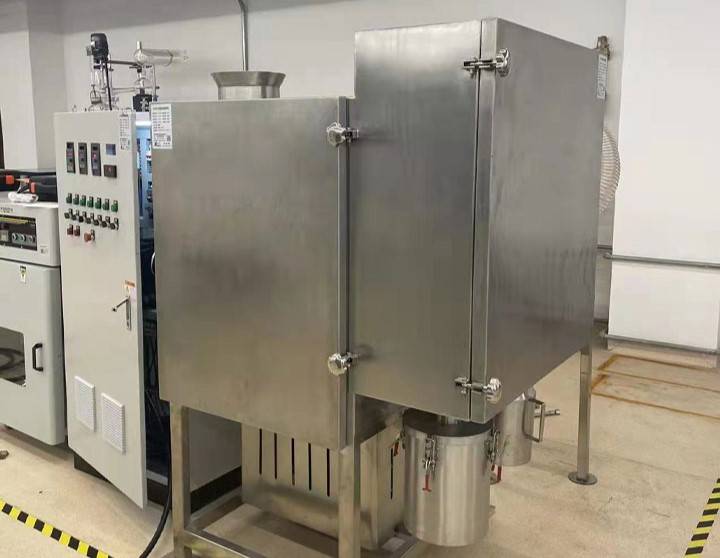
Low-temperature pulverization employs liquid nitrogen to sustain sub-zero temperatures, a method that significantly enhances the preservation of essential qualities in spices. This innovative technique not only maintains the vibrant colors and robust flavors of spices but also safeguards their active compounds, which are often volatile and susceptible to degradation at higher temperatures.
By operating in a cryogenic environment, low-temperature pulverization mitigates the common issues associated with traditional room-temperature methods, such as the loss of aromatic substances due to heat generation and slipperiness during the crushing process. As a result, the efficiency of the pulverization process is markedly improved, leading to a more consistent and higher-quality end product.
In essence, the use of liquid nitrogen in low-temperature pulverization ensures that the integrity of spices is preserved, offering a superior alternative to conventional methods that often compromise on flavor, color, and the potency of active ingredients. This advancement in technology not only meets the stringent quality standards required by the spice industry but also enhances the overall appeal and marketability of spice products.
Technological Details of Low-Temperature Pulverization
Cryogenic Pulverization Process
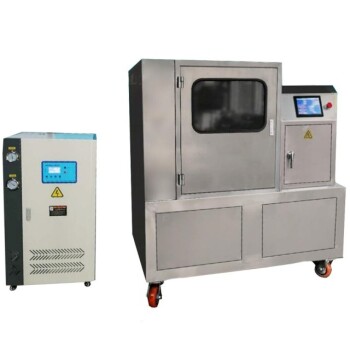
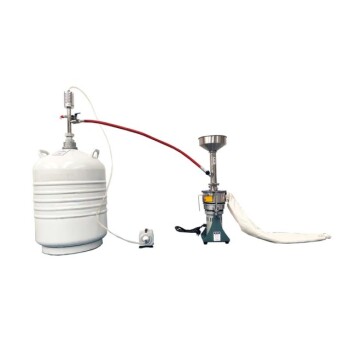
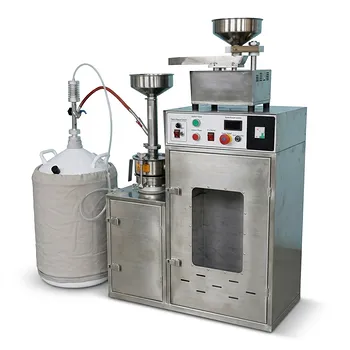
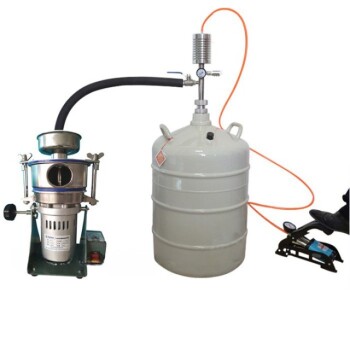
The cryogenic pulverization process begins with the pre-cooling of materials using liquid nitrogen, a critical step that renders the material brittle and more susceptible to crushing. This pre-cooling phase is essential as it ensures that the material's integrity is preserved throughout the pulverization process. Once the material is sufficiently chilled, it is introduced into a mechanical cryogenic mill cavity where it undergoes high-speed rotation driven by an impeller.
Within the pulverizer, the material experiences a series of complex interactions. The material comes into repeated contact with blades, toothed discs, and other particles, resulting in a combination of impacts, collisions, shearing, and friction. These interactions are meticulously designed to achieve the desired pulverization effect. The material is then classified through an airflow sieve shaker, which separates the pulverized particles based on their fineness. Particles that do not meet the specified fineness requirements are recycled back into the pulverizer for further processing, ensuring that only the highest quality powder is produced.
The cryogenic grinding mill system operates as a closed-circuit circulation, maximizing energy efficiency and minimizing waste. The chilling source, liquid nitrogen, can be adjusted to temperatures as low as -196 degrees Celsius, depending on the specific embrittlement temperature of the material being processed. This flexibility allows for the selection of the optimal pulverization temperature, thereby reducing energy consumption while enhancing the overall efficiency of the process. The fineness of the pulverized material can range from 10 to 700 mesh, and in some cases, even reach micron-level fineness.
Using liquid nitrogen as the grinding medium not only facilitates ultra-low temperature pulverization but also offers additional benefits such as explosion-proofing and antioxidation. This method is particularly advantageous for materials that are sensitive to heat and oxidation, ensuring that their chemical integrity is maintained throughout the pulverization process. The applications of cryogenic grinding are vast, spanning across biotechnology, materials science, chemistry, geology, and pharmaceuticals, among others. The ability to process virtually any material into fine powders while preserving its original properties makes cryogenic pulverization a versatile and indispensable technology in modern industries.
Application Across Different Industries
Low-temperature pulverization technology, with its ability to maintain material properties during pulverization, has found widespread application across a variety of industries beyond just spices. This versatile technology is particularly beneficial in sectors where preserving the integrity of materials is critical.
In the biological field, low-temperature pulverization ensures that delicate biological samples, such as tissues and cells, remain intact without degradation. This method is essential for maintaining the structural and functional properties of biological materials, which is crucial for accurate analysis and research.
The food industry also benefits significantly from this technology. Foods with high moisture content or those that are sensitive to heat, such as herbs and certain fruits, can be pulverized without losing their nutritional value or sensory qualities. This preservation of flavor and texture enhances the overall quality of food products, making them more appealing to consumers.
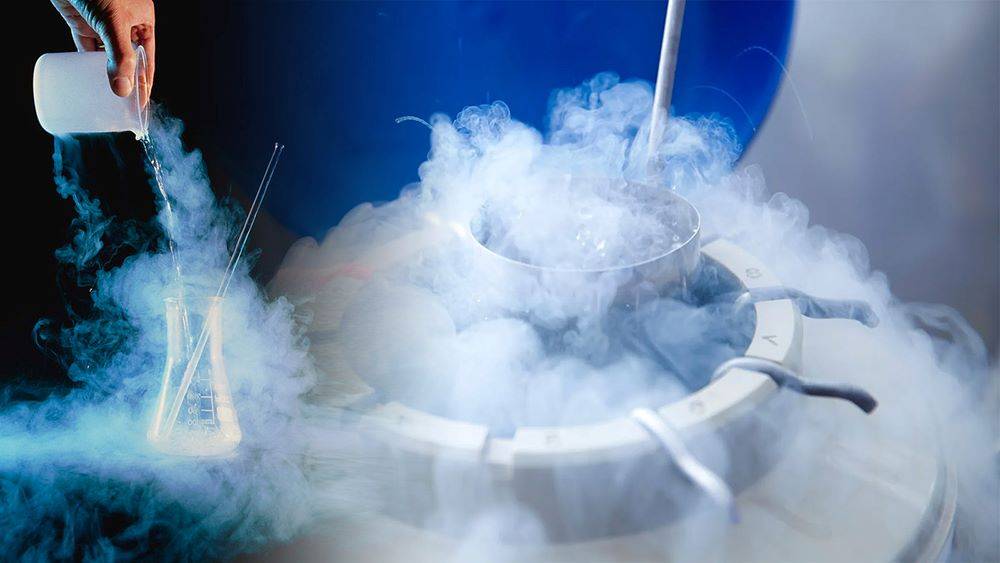
In the pharmaceutical sector, the ability to pulverize heat-sensitive drugs and compounds without altering their chemical structure is invaluable. This ensures that the efficacy of the medications remains intact, which is critical for patient safety and treatment outcomes.
Additionally, elastic materials and volatile component samples also find utility in this technology. Elastic materials, which can be difficult to process using traditional methods, can be effectively pulverized without losing their elasticity. Similarly, volatile components, which are prone to degradation at high temperatures, can be preserved using low-temperature pulverization, ensuring that their essential properties are maintained.
This technology's broad applicability underscores its importance as a versatile tool in modern industrial processes, offering significant advantages in maintaining the integrity and quality of diverse materials.
Impact on Spice Quality
Color Preservation
Low-temperature pulverization stands out as a superior method for preserving the vibrant hues of spices, a feature that is often compromised in traditional pulverization techniques. The traditional methods, which operate at room temperature, are prone to causing significant color changes due to the generation of heat and friction during the pulverization process. This heat can cause the spices to oxidize, leading to a degradation of their natural pigments and a dulling of their color.
In contrast, low-temperature pulverization employs liquid nitrogen to maintain a consistently cold environment throughout the pulverization process. This cryogenic approach effectively mitigates the adverse effects of heat and friction, thereby preserving the original color of the spices. The table below illustrates the comparative color retention between traditional and low-temperature pulverization methods:
| Pulverization Method | Color Retention (%) |
|---|---|
| Traditional Pulverization | 60-70% |
| Low-Temperature Pulverization | 90-95% |
The enhanced color retention achieved through low-temperature pulverization not only maintains the visual appeal of the spices but also contributes to their overall market value. Consumers often associate vibrant colors with freshness and quality, making this preservation technique a critical factor in the spice industry's drive to deliver superior products.
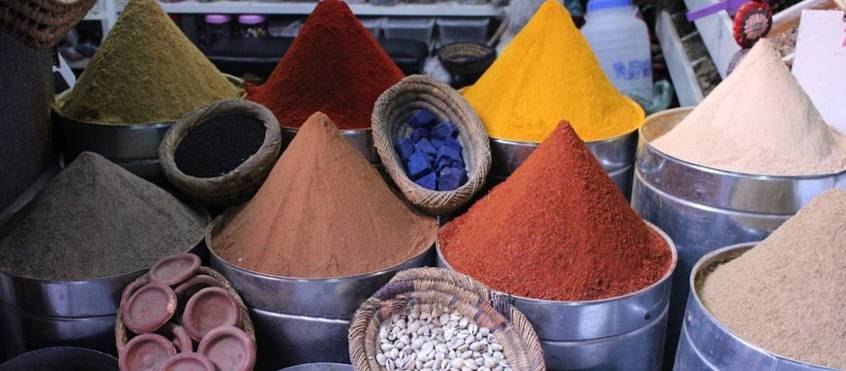
Moreover, the consistency in color across batches produced using low-temperature pulverization ensures that manufacturers can meet stringent quality standards and maintain a uniform product appearance. This consistency is particularly important in industries where visual presentation is a key selling point, such as in the culinary and pharmaceutical sectors.
In summary, the application of low-temperature pulverization in the spice industry represents a significant advancement in preserving not only the flavor and aroma but also the visual characteristics that define the quality and appeal of spices.
Flavor Retention
Low-temperature pulverization technology excels in preserving the delicate and volatile oils that contribute to the unique flavors of spices. Unlike traditional methods that often lead to the degradation of these aromatic compounds due to heat and friction, this advanced technique ensures that these essential oils remain intact. The use of liquid nitrogen to maintain a cold environment during the pulverization process is key to this preservation.
This method not only retains the original flavor profile but also enhances it, making the final product more appealing to consumers. The enhanced flavor retention translates to a superior sensory experience, whether the spice is used in cooking or as a seasoning. This improvement in flavor quality can lead to increased consumer satisfaction and brand loyalty, as the true essence of the spice is preserved and even accentuated.
Moreover, the consistent flavor quality achieved through low-temperature pulverization can reduce variability in batch-to-batch production, ensuring that each package of spice delivers the same robust and authentic taste. This consistency is particularly important in the food industry, where quality control and consumer trust are paramount.
In summary, the flavor retention benefits of low-temperature pulverization significantly elevate the overall quality and appeal of spice products, making it a preferred method in the industry.
Microcharacteristics and Flowability
The application of low-temperature pulverization technology in the spice industry results in significant improvements in the microcharacteristics and flowability of the resulting powders. This innovative method yields finer particles, which are not only smaller in size but also exhibit enhanced surface properties. These improvements directly contribute to better flowability, a critical attribute for the efficient handling and processing of spice powders.
The reduction in particle size achieved through low-temperature pulverization is a key factor in enhancing flowability. Smaller particles tend to have fewer irregularities and a smoother surface, which minimizes inter-particle friction. This smoother surface reduces the tendency of particles to stick together or form clumps, thereby improving the overall flow characteristics of the powder.
Moreover, the improved surface properties of the particles, such as a more uniform texture and reduced surface roughness, further contribute to enhanced flowability. These properties are a direct result of the controlled environment and precise processing conditions maintained during the cryogenic pulverization process. The use of liquid nitrogen ensures that the particles are cooled to a temperature that not only preserves their integrity but also modifies their surface characteristics in a manner that promotes better flow.
In summary, the finer powder produced by low-temperature pulverization, combined with its improved surface properties, results in a material that flows more freely and consistently. This improvement in flowability is essential for the efficient production and packaging of spice products, ultimately leading to higher quality end-products and a better overall experience for consumers.
Practical Applications and Future Prospects
Industry Adoption
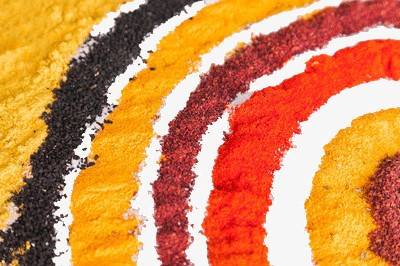
The adoption of low-temperature pulverization technology in the spice industry has been widespread, with numerous companies already integrating this innovative method into their production processes. This technology has significantly enhanced the quality of spice powders by preserving their natural colors, flavors, and volatile oils, which are often compromised in traditional pulverization methods.
Key Benefits in Industry Adoption
- Improved Product Quality: The low-temperature environment during pulverization ensures that the delicate aromatic compounds in spices are retained, resulting in a superior product that appeals to consumers.
- Operational Efficiency: By reducing the time and energy required for pulverization, companies can streamline their operations, leading to cost savings and increased production efficiency.
- Wider Application: Beyond just spice powders, this technology is also being explored for use in other industries such as pharmaceuticals and food processing, where maintaining the integrity of active substances is crucial.
The successful implementation of low-temperature pulverization across various sectors underscores its potential to revolutionize traditional production methods, offering a sustainable and high-quality alternative.
Energy and Cost Considerations
Efficient utilization of liquid nitrogen is paramount in the context of low-temperature pulverization technology. This cryogenic process not only ensures the preservation of spice quality but also demands careful management of energy resources. The strategic application of liquid nitrogen is essential to achieve the dual objectives of high-quality output and cost-effectiveness.
Advancements in technology have been pivotal in optimizing liquid nitrogen consumption. Innovations such as automated systems and improved insulation techniques have significantly reduced wastage. These advancements not only lower operational costs but also contribute to a more sustainable production process.
Moreover, the integration of smart sensors and real-time monitoring systems allows for precise control over liquid nitrogen usage. This dynamic approach ensures that the pulverization process remains efficient, with minimal fluctuations in temperature and nitrogen levels. Consequently, these technological improvements facilitate a balance between maintaining the integrity of spice properties and managing operational expenses.
In summary, while the efficient use of liquid nitrogen is critical, ongoing technological advancements are continually refining this balance, ensuring that the benefits of low-temperature pulverization are realized without compromising on cost or quality.
Related Products
- Low-Temperature Water-Cooled Touchscreen Vibratory Ultrafine Pulverizer
- Advanced Engineering Fine Ceramics Low Temperature Alumina Granulation Powder
- Liquid Nitrogen Cryogenic Grinder Mill Cryomill Airflow Ultrafine Pulverizer
- Liquid Nitrogen Cryogenic Grinder Mill Cryomill with Screw Feeder
- lab cryogenic grinding use liquid-nitrogen for pulverizing plastic raw materials and heat sensitive materials
Related Articles
- Cryogenic Pulverization Technology and Its Applications
- How Cascade Refrigeration Powers Ultra-Low Temperature Freezers Beyond Single-Stage Limits
- Techniques and Methods of Freeze Pulverization for Powdered Rubber
- Disc / Cup Vibratory Mill: A Comprehensive Guide for Laboratory Experts
- Disc / Cup Vibratory Mill: A Comprehensive Guide to Its Functions and Applications