A gas ballast valve serves as a potent diagnostic tool for assessing the condition of your vacuum pump oil. To use it effectively, you must observe the inlet pressure changes during a specific cycle of opening and closing the valve. If the pressure improves (drops) while the valve is open and expelling impurities, but slowly rises again after the valve is closed, you have confirmed that the oil is saturated with contaminants.
The Core Insight A gas ballast valve differentiates between a system leak and contaminated oil. If your pump fails to reach its ultimate vacuum, performing a "ballast cycle" reveals if the issue is internal outgassing: a slow pressure rise after closing the valve confirms the oil is the culprit and requires an immediate change.
The Diagnostic Procedure
Step 1: Isolate and Open
Begin by isolating the pump from your application if possible, or simply focus on the pump's inlet pressure gauge. Open the gas ballast valve.
Step 2: Observation During Purge
With the valve open, the pump introduces air to facilitate the expulsion of volatiles. According to the diagnostic protocol, you should observe the inlet pressure drop during this phase as impurities are actively driven out of the oil.
Step 3: Close and Monitor
Once the purge phase is complete, close the gas ballast valve. This is the critical moment for diagnosis. Watch the inlet pressure gauge carefully.
Step 4: Interpret the Pressure Behavior
If the pressure slowly rises after closing the valve, the diagnosis is positive for contamination. This behavior indicates that contaminants remaining in the oil are re-condensing or outgassing back into the vacuum, spoiling the pressure levels you just achieved.
Understanding the Physics
The Mechanism of Failure
When vacuum pump oil is clean, it has a very low vapor pressure, allowing the pump to pull a deep vacuum.
The Contamination Signal
When oil is contaminated with solvents or moisture, these impurities turn into vapor inside the pump.
The "slow rise" described in the procedure is the physical manifestation of these impurities fighting against the vacuum. The pump cannot maintain low pressure because the oil itself is releasing gas.
Common Pitfalls to Avoid
Misinterpreting the "Rise"
Do not confuse the slow rise of contaminated oil with the rapid rise of a massive leak. A leak is usually immediate and constant; oil outgassing is often a gradual creep that establishes a "false floor" for your vacuum levels.
Skipping the Purge
You cannot diagnose the oil without first opening the valve to attempt a purge. The contrast between the performance during the purge (when impurities are expelled) and after the purge is what provides the data point.
Making the Right Choice for Your Goal
Based on the results of your gas ballast test, proceed with the following actions:
- If your primary focus is restoring ultimate vacuum: Perform a full oil change immediately, as the test confirms the current oil can no longer hold a vacuum.
- If your primary focus is preventative maintenance: Schedule regular ballast cycles to expel impurities before they saturate the oil enough to cause the "slow rise" symptom.
The gas ballast is not just a purge mechanism; it is your first line of defense in distinguishing between a broken pump and dirty oil.
Summary Table:
| Diagnostic Step | Valve Status | Expected Pressure Behavior (Contaminated Oil) | Conclusion |
|---|---|---|---|
| 1. Purge Phase | Open | Inlet pressure drops/improves | Impurities are being expelled from the oil. |
| 2. Monitoring | Closed | Pressure slowly rises/creeps up | Oil is saturated; contaminants are outgassing. |
| 3. Comparison | Closed | Pressure stays constant (but high) | Potential system leak rather than oil issue. |
Maximize Your Lab's Vacuum Performance with KINTEK
Is your vacuum pump struggling to reach ultimate pressure? KINTEK specializes in high-performance laboratory equipment, including durable high-temperature furnaces, hydraulic presses, and advanced vacuum solutions. Our experts understand that precision starts with clean equipment. Whether you need reliable consumables like PTFE products and ceramics or a complete system overhaul with our rotary or vacuum furnaces, we provide the tools to ensure your research never stalls due to oil contamination.
Don't let dirty oil compromise your results—Contact KINTEK today for expert advice and premium laboratory consumables!
Related Products
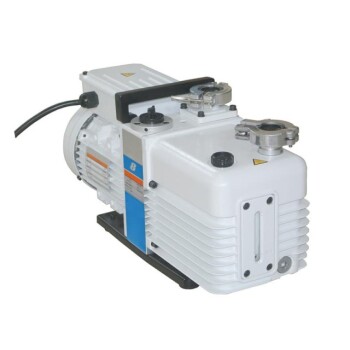
- Laboratory Rotary Vane Vacuum Pump for Lab Use
- 304 316 Stainless Steel Vacuum Ball Valve Stop Valve for High Vacuum Systems
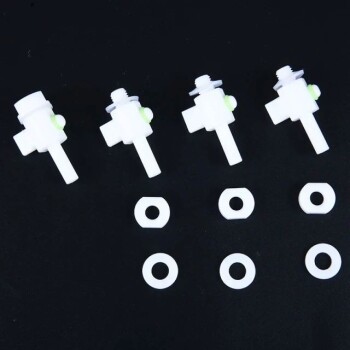
- Custom PTFE Teflon Parts Manufacturer for Air Valve Applications
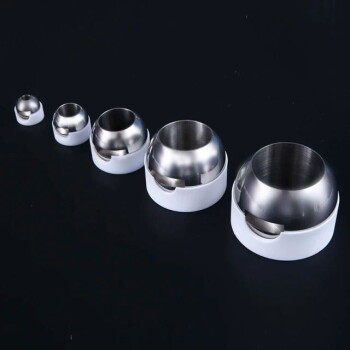
- Custom PTFE Teflon Parts Manufacturer for PTFE Ball Valve Seat
People Also Ask
- What is the use of rotary vacuum pump? A Guide to Reliable Rough Vacuum for Labs & Industry
- What is the vacuum level of a rotary vacuum pump? Achieve Medium Vacuum for Your Lab or Industry
- What is the difference between a single-stage and a two-stage rotary vane pump? Choosing the Right Vacuum Depth
- How does the performance of single-stage and two-stage rotary vane pumps compare? Optimize Your Vacuum Efficiency
- How does a Rotary Vane Pump operate? Discover Efficient Vacuum Technology for Your Lab