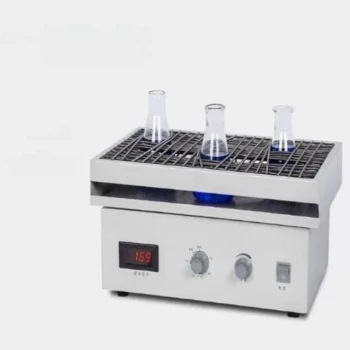
A benchtop orbital shaker is the mechanical driver behind efficient cellulose hydrolysis. It facilitates the production of reducing sugars by generating continuous circular oscillation, which keeps the liquid enzyme solution in constant, dynamic contact with the solid biomass (such as pre-treated corn stover). This motion is essential for overcoming the physical barriers that otherwise prevent enzymes from reaching and breaking down the cellulose.
Core Insight: The shaker does not just mix the solution; it fundamentally alters the reaction kinetics by breaking down mass transfer resistance. By ensuring enzymes are continuously delivered to the solid-liquid interface, mechanical agitation transforms a stagnant mixture into a high-yield reactive environment.
The Mechanics of Hydrolysis Efficiency
Breaking Mass Transfer Resistance
In a static environment, a stagnant layer of liquid forms around solid particles, preventing fresh enzymes from reaching the cellulose. This is known as mass transfer resistance.
The benchtop orbital shaker eliminates this barrier through continuous mechanical agitation. This movement forces the enzyme solution to penetrate the boundary layer, delivering the catalyst directly to the substrate.
Ensuring Uniform Distribution
For hydrolysis to occur effectively, the cellulase enzymes must be evenly dispersed throughout the mixture.
Circular oscillation ensures that the enzyme molecules are uniformly distributed across the entire volume of the vessel. This prevents the formation of localized "dead zones" where no reaction occurs.
Optimizing the Reaction Interface
Dynamic Solid-Liquid Contact
The primary challenge in hydrolyzing biomass like corn stover is the physical state of the reactants: one is a solid residue, and the other is a liquid solution.
The shaker maintains dynamic contact at this solid-liquid interface. By keeping the solids in suspension and the liquid in motion, the system maximizes the surface area available for the reaction at the target temperature of 50 °C.
Maximizing Enzyme Adsorption
Before an enzyme can convert cellulose into sugar, it must physically attach to the material.
The agitation provided by the shaker facilitates effective adsorption. By constantly refreshing the liquid around the solids, the shaker increases the probability that an enzyme molecule will encounter and bind to a cellulose fiber, leading to higher conversion rates.
Understanding the Trade-offs
The Risk of Stagnation
The efficiency of the shaker highlights a critical vulnerability in the hydrolysis process: dependence on motion.
If agitation is interrupted or insufficient, the solids effectively "settle out" of the reaction. This immediately re-introduces mass transfer resistance, causing the production of reducing sugars to plateau regardless of the enzyme concentration or temperature.
Making the Right Choice for Your Goal
To maximize the yield of fermentable sugars, you must view agitation as a critical process parameter, not just a mixing step.
- If your primary focus is Reaction Speed: Ensure continuous oscillation to aggressively minimize mass transfer resistance and keep the reaction kinetics high.
- If your primary focus is Consistency: Verify that the agitation speed is sufficient to maintain a uniform suspension, preventing solids from settling and creating uneven hydrolysis.
Summary: The benchtop orbital shaker serves as the bridge between potential and yield, using kinetic energy to ensure every enzyme molecule has the opportunity to convert cellulose into usable sugar.
Summary Table:
| Key Mechanism | Function in Hydrolysis | Impact on Sugar Production |
|---|---|---|
| Circular Oscillation | Breaks down mass transfer resistance | Ensures enzymes penetrate solid boundary layers |
| Dynamic Agitation | Maintains solid-liquid interface contact | Maximizes available surface area for reaction |
| Uniform Distribution | Eliminates localized "dead zones" | Creates consistent enzyme-substrate binding |
| Mechanical Energy | Facilitates enzyme adsorption | Increases conversion rates of biomass to glucose |
Maximize Your Research Yields with KINTEK
Precision in agitation is the key to unlocking the full potential of your biochemical reactions. At KINTEK, we specialize in providing high-performance laboratory equipment designed for the most demanding applications. Whether you are optimizing cellulose hydrolysis or scaling up biomass conversion, our advanced benchtop orbital shakers, homogenizers, and shakers deliver the consistent mechanical energy required to eliminate mass transfer resistance.
From high-temperature furnaces and pressure reactors to precision cooling and milling systems, KINTEK offers a comprehensive range of solutions for target customers in materials science and biotechnology. Let our expertise drive your laboratory's efficiency—contact us today to find the perfect equipment for your research goals!
References
- Zhicai Zhang, Keping Chen. Lignin degradation in corn stalk by combined method of H2O2 hydrolysis and Aspergillus oryzae CGMCC5992 liquid-state fermentation. DOI: 10.1186/s13068-015-0362-4
This article is also based on technical information from Kintek Solution Knowledge Base .
Related Products
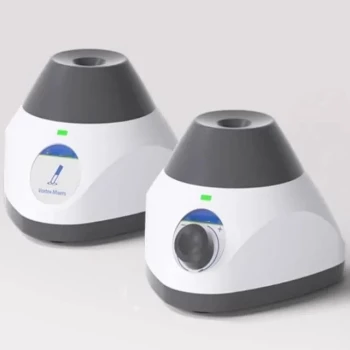
- Laboratory Vortex Mixer Orbital Shaker Multifunctional Rotation Oscillation Mixer
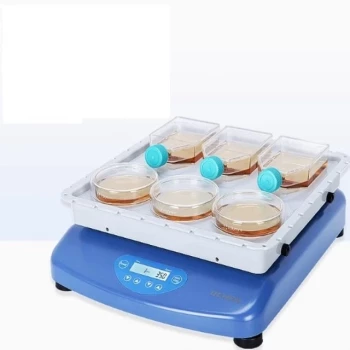
- Laboratory Oscillating Orbital Shaker
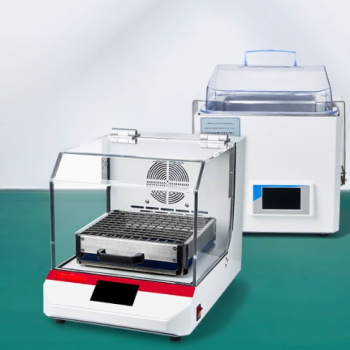
- Shaking Incubators for Diverse Laboratory Applications
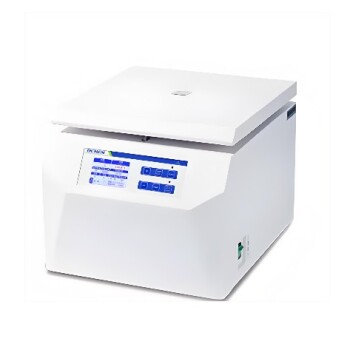
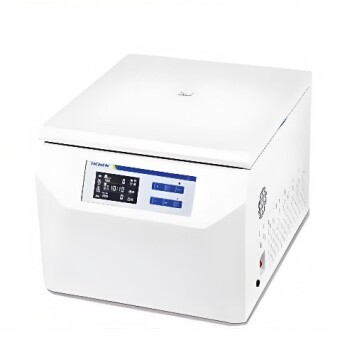
- Benchtop High Speed Small Lab Centrifuge for Serum Separation and Low Temperature Dehydration
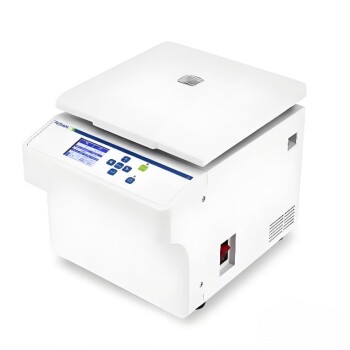
- Laboratory Benchtop High Speed Small Centrifuge for Low Temp Serum Separation Dehydration Research
People Also Ask
- What is the role of a laboratory orbital shaker in copper recovery? Optimize Industrial Waste Liquid Processing
- What is the role of a laboratory orbital shaker in activated carbon synthesis? Maximize Pore Depth & Surface Area
- What is a laboratory mixer used for? Choose the Right Tool for Liquids or Solids
- What is a laboratory mixer? A Guide to Achieving Perfect Sample Homogeneity
- What are laboratory mixers used for? Achieve Perfect Sample Homogeneity and Reliable Results