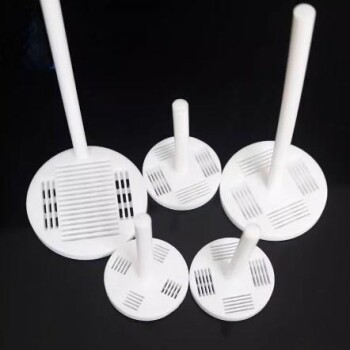
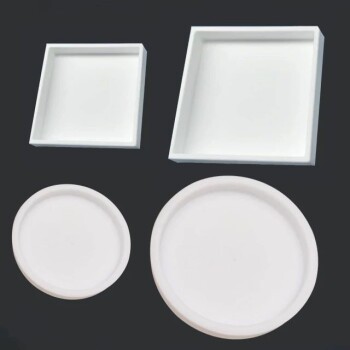
The combination of Polytetrafluoroethylene (PTFE) tape and ceramic washers functions as a precision tool for creating artificial crevices. By wrapping chemically inert PTFE tape around ceramic washers and compressing them against an alloy sample, researchers generate a sealed, stable environment. This specific assembly allows for the simulation of industrial metal-to-non-metal contacts, enabling the accurate measurement of an alloy's repassivation potential.
The core value of this setup is its ability to standardize the "crevice gap." The PTFE provides an inert, tight seal while the ceramic washer delivers structural rigidity, allowing researchers to apply a fixed torque that replicates real-world structural geometries without introducing chemical contamination.
The Mechanics of the Assembly
The effectiveness of this modeling technique relies on the distinct physical properties of the two materials working in tandem.
The Role of PTFE Tape
The primary function of the PTFE tape is to act as an inert interface. Because PTFE is chemically stable, it ensures that the crevice environment is not altered by reactions between the testing equipment and the corrosive solution. Additionally, its physical compliance provides excellent sealing properties, preventing uncontrolled leakage into or out of the crevice gap.
The Function of Ceramic Washers
The ceramic washers serve as the rigid structural core of the assembly. They provide the necessary geometry to shape the crevice. When wrapped in PTFE, these washers create a "metal-to-non-metal" contact zone that mimics the type of crevices found in actual industrial machinery, such as under gaskets or fasteners.
Simulating Industrial Conditions
This modeling technique is not merely theoretical; it is designed to replicate specific physical parameters found in the field.
Controlling Compression via Torque
To achieve accurate data, researchers must apply a fixed torque to the assembly. This compression forces the PTFE-wrapped washer against the alloy surface. The precise application of force defines the "tightness" of the crevice, which is a critical variable in corrosion studies.
Measuring Repassivation Potential
The ultimate goal of this setup is to determine the alloy's repassivation potential. By creating a controlled crevice, researchers can stress the material to see if it can reform its protective oxide layer. This data helps predict how Ni-Cr-Mo-(W) alloys will perform when subjected to tight physical clearances in harsh chemical environments.
Critical Operational Constraints
While this method provides precise data, the accuracy of the model depends entirely on maintaining strict experimental parameters.
Sensitivity to Torque Variation
The reference emphasizes the application of a fixed torque. If the compression force varies between tests, the physical parameters of the crevice will shift, leading to inconsistent data regarding the alloy's performance.
Reliance on Chemical Inertness
The model assumes a stable environment. Any compromise in the PTFE wrapping or the use of less inert materials would introduce chemical variables, invalidating the repassivation potential measurements.
Making the Right Choice for Your Goal
To effectively utilize this modeling technique, you must ensure your experimental design prioritizes consistency and material quality.
- If your primary focus is Simulating Gaskets: Ensure the torque application is calibrated and fixed to replicate the exact compression forces found in your target industrial equipment.
- If your primary focus is Material Screening: Rely on the chemical inertness of PTFE to ensure that any corrosion observed is due to the alloy's limitations, not interaction with the test fixture.
The PTFE-ceramic assembly is the industry standard for isolating the physical geometry of a crevice from chemical noise, providing a clear window into alloy durability.
Summary Table:
| Component | Primary Function | Physical Contribution |
|---|---|---|
| PTFE Tape | Chemical Inertness | Provides a tight, leak-proof seal and prevents contamination. |
| Ceramic Washer | Structural Core | Defines the crevice geometry and allows for fixed torque application. |
| Fixed Torque | Compression Control | Ensures standardized crevice gaps for reproducible corrosion data. |
| Alloy Sample | Test Subject | Evaluates repassivation potential and resistance to localized attack. |
Elevate Your Corrosion Research with KINTEK Precision
Accurate crevice corrosion modeling requires high-quality, chemically inert materials that can withstand rigorous experimental demands. KINTEK specializes in providing the laboratory essentials you need for advanced material science, including PTFE products, high-grade ceramics, and precision-engineered crucibles.
Whether you are screening Ni-Cr-Mo alloys or simulating industrial gaskets, our comprehensive range of consumables and equipment—from high-temperature furnaces to high-pressure reactors—ensures your research environment remains stable and uncontaminated.
Ready to optimize your testing accuracy? Contact KINTEK today to discuss our full portfolio of laboratory equipment and high-performance consumables tailored for your specific research goals.
References
- Edgar C. Hornus, Martín A. Rodríguez. Effect of environmental variables and main alloying elements on the repassivation potential of Ni–Cr–Mo–(W) alloys 59 and 686. DOI: 10.1515/corrrev-2022-0071
This article is also based on technical information from Kintek Solution Knowledge Base .
Related Products
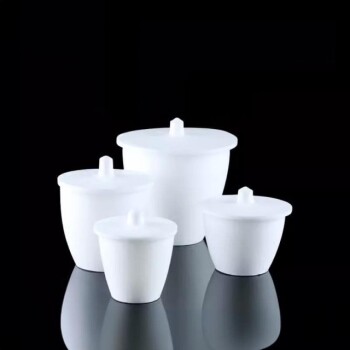
- Custom Machined and Molded PTFE Teflon Parts Manufacturer with PTFE Crucible and Lid
- Custom PTFE Teflon Parts Manufacturer Corrosion Resistant Cleaning Rack Flower Basket
- PTFE Electrolytic Cell Electrochemical Cell Corrosion-Resistant Sealed and Non-Sealed
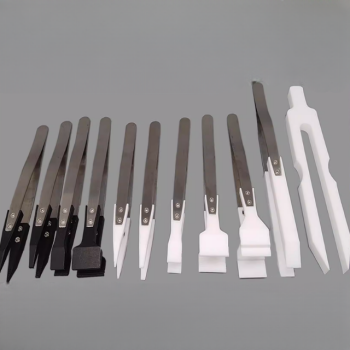
- Custom PTFE Teflon Parts Manufacturer for PTFE Tweezers
- Custom PTFE Wafer Holders for Lab and Semiconductor Processing
People Also Ask
- Why is a PTFE crucible preferred for plasma etching? Ensure Chemical Integrity and Targeted Action
- What essential consumables are required for laboratory processes? Expert Guide to PTFE, Ceramics, and Crucibles
- Why are PTFE molds used for dental resin specimens? Ensure Pure Samples and Accurate Testing
- What are the advantages of using PTFE molds for preparing PUA hybrid films? Ensure High Purity and Easy Demolding
- What advantages do PTFE molds offer for composite polymer electrolyte casting? Ensure Defect-Free Membrane Fabrication