The primary process advantages of using Polytetrafluoroethylene (PTFE) channels stem from their ability to provide total electrical isolation and exceptional chemical resistance within the testing rig. By insulating the reference electrode from the metal chamber body, these channels prevent short circuits and resist degradation from aggressive media, such as high-temperature geothermal brine, ensuring the accuracy of the test data.
The core value of PTFE in this application is the preservation of signal purity. By eliminating electrical interference and chemical corrosion, PTFE channels ensure that any recorded potential shifts are definitively caused by physical phenomena—such as crack initiation—rather than equipment artifacts.
Ensuring Data Integrity Through Electrical Isolation
Preventing Equipment Short Circuits
The most immediate advantage of PTFE is its high dielectric strength. In a metal test chamber, there is a constant risk of the reference electrode making unintended electrical contact with the chamber body.
PTFE channels act as a robust barrier, electrically decoupling the electrode from the surrounding metal apparatus. This prevents short circuits that would otherwise render the data useless or damage the sensitive acquisition equipment.
Guaranteeing Signal Purity
Corrosion fatigue testing relies on detecting minute shifts in electrical potential to identify material failure.
Because PTFE prevents ground loops and electrical leakage, the data acquisition system receives a clean, unadulterated signal. This clarity is essential for accurately correlating potential shifts with the precise moment of crack initiation.
Withstanding Aggressive Testing Environments
Resistance to Chemical Attack
Corrosion fatigue testing often involves harsh environments designed to accelerate material failure. PTFE provides excellent chemical inertness, meaning it does not react with the testing medium.
This is particularly vital when using corrosive fluids, such as high-temperature geothermal brine, which would rapidly degrade lesser materials.
Maintaining Interface Integrity
Unlike metal or rubber seals that might degrade, swell, or corrode over time, PTFE maintains its structural integrity in chemically aggressive settings.
This ensures that the port remains sealed and functional throughout the duration of long-term fatigue tests, preventing leaks that could alter the chemical composition of the testing environment.
Understanding the Trade-offs
Mechanical Deformation Under Load
While PTFE is chemically and electrically superior, it is mechanically softer than the metal chamber it inhabits.
Engineers must be aware that PTFE can be susceptible to "creep" or deformation under high compressive loads or extreme thermal cycling.
Design Precision Requirements
Because PTFE does not have the rigidity of metal, the design of the channel and the installation port must be precise.
If the tolerance is too loose, the channel may shift; if too tight, the material may flow, potentially compromising the seal or the positioning of the electrode over time.
Making the Right Choice for Your Goal
To maximize the effectiveness of your corrosion fatigue testing rig, align your material choice with your specific data requirements.
- If your primary focus is Data Precision: Prioritize PTFE channels to eliminate electrical noise and ensure that potential shifts are exclusively attributed to crack initiation.
- If your primary focus is Test Longevity: Utilize PTFE to prevent port degradation and leaks when testing with aggressive media like high-temperature brine.
Using PTFE channels converts a potential point of failure into a reliable standard for experimental accuracy.
Summary Table:
| Feature | Advantage in Corrosion Fatigue Testing | Impact on Data Accuracy |
|---|---|---|
| Electrical Isolation | High dielectric strength prevents short circuits with metal chambers. | Ensures signal purity and eliminates ground loops. |
| Chemical Inertness | Resists aggressive media like high-temperature geothermal brine. | Prevents contamination and seal degradation. |
| Low Reactivity | Does not react with testing fluids or electrodes. | Maintains stable potential for crack initiation monitoring. |
| Structural Stability | Maintains interface integrity in harsh environments. | Prevents leaks and maintains constant chemical composition. |
Elevate Your Laboratory Precision with KINTEK
At KINTEK, we understand that in corrosion fatigue testing, the difference between a breakthrough and a failure lies in the details. Our high-performance PTFE consumables and specialized electrolytic cells and electrodes are engineered to provide the total electrical isolation and chemical resistance your research demands.
Whether you are managing complex battery research, operating high-pressure reactors, or conducting advanced materials testing, KINTEK provides the comprehensive range of laboratory equipment—from muffle furnaces to precision hydraulic presses—needed to ensure your results are uncompromised by equipment artifacts.
Ready to eliminate electrical noise and protect your data integrity?
Contact KINTEK today to discuss your custom testing requirements!
References
- Anja Pfennig, Roman Simkin. Identifying the Initial Corrosion Fatigue Failure Based on Dropping Electrochemical Potential. DOI: 10.3390/app15010403
This article is also based on technical information from Kintek Solution Knowledge Base .
Related Products
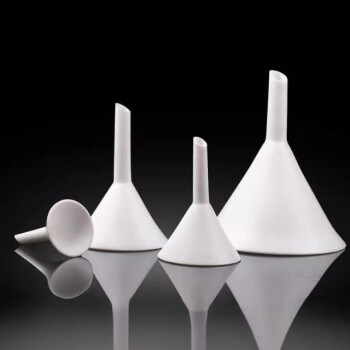
- Custom PTFE Teflon Parts Manufacturer for PTFE Buchner Funnel and Triangular Funnel
- Custom PTFE Teflon Parts Manufacturer F4 Conical Flask Triangular Flask 50 100 250ml
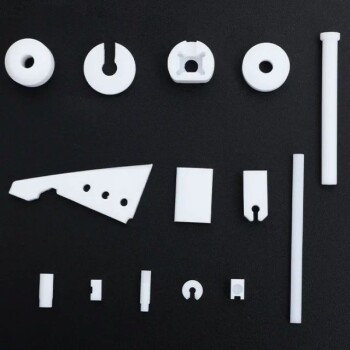
- Custom PTFE Teflon Parts Manufacturer for Non-Standard Insulator Customization
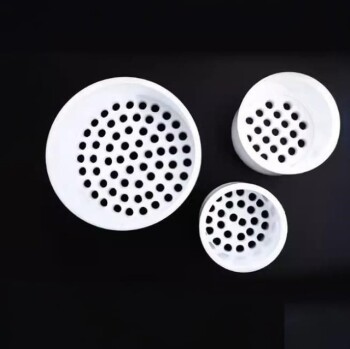
- Custom PTFE Teflon Parts Manufacturer for PTFE Mesh F4 Sieve
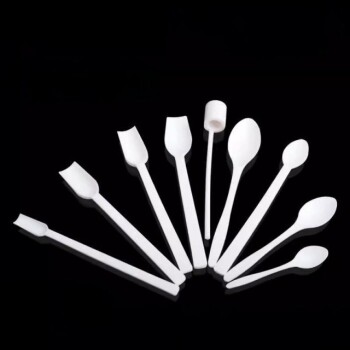
- Custom PTFE Teflon Parts Manufacturer for Sampling Solution Sample and Dry Powder Spoons
People Also Ask
- Why is PTFE wire used for hanging metal specimens in biodiesel corrosion tests? Ensure Pure Experimental Results
- Why is PTFE tape applied to ceramic crevice formers when assembling Alloy 22? Precision Tips for Corrosion Testing
- How does the combination of PTFE tape and ceramic washers function in crevice corrosion modeling? Expert Analysis
- What are the specific applications of PTFE in micro-batch slug flow systems? Enhance Your Microfluidic Reaction Purity
- Why is a PTFE beaker preferred for fluorosilicone rubber and POSS-V mixtures? Ensure Purity and Precision