Molybdenum (Mo) and its alloys provide a decisive advantage in nitride synthesis through superior intrinsic chemical stability. Unlike nickel-based counterparts that often require protective barriers, Molybdenum can directly withstand corrosive acidic and alkaline supercritical environments, ensuring the integrity of the vessel and the purity of the reaction.
Core Takeaway: By eliminating the need for protective internal liners, Molybdenum-based autoclaves remove a major source of potential impurity interference. This inherent chemical resistance makes them the superior choice for synthesizing high-purity novel nitride materials without the complexity of multi-layered equipment.
The Chemical Advantage of Molybdenum
Direct Resistance to Supercritical Fluids
The primary limitation of standard nickel-based alloys in nitride synthesis is their susceptibility to corrosion under extreme conditions. Molybdenum-based autoclaves offer exceptional chemical stability. They can directly resist corrosion from both acidic and alkaline supercritical environments.
Elimination of Protective Liners
Because nickel-based alloys often react with the synthesis environment, they typically require an internal liner to isolate the vessel walls. Molybdenum’s inherent resistance renders these liners unnecessary. The vessel itself acts as the containment barrier without degrading.
Operational and Purity Benefits
Simplified Equipment Assembly
The requirement for internal liners in traditional setups adds mechanical complexity and assembly time. By removing the need for a liner, Molybdenum autoclaves significantly simplify the equipment assembly process. This reduces the number of failure points and maintenance requirements.
Achieving High Purity
In the synthesis of novel nitride materials, purity is paramount. Liners used in nickel-based systems can be a source of contamination or interference. Molybdenum eliminates potential impurity interference from these third-party materials, making it ideal for high-precision research and production.
Understanding the Trade-offs
Specificity of Application
While Molybdenum offers superior resistance, it is specifically highlighted as ideal for high-purity novel nitride materials. If your application does not involve supercritical acidic or alkaline environments, or if ultra-high purity is not a critical metric, the advanced capabilities of a Molybdenum vessel may exceed your project's baseline requirements.
Making the Right Choice for Your Goal
To determine if Molybdenum is the correct material for your autoclave construction, consider your specific synthesis parameters:
- If your primary focus is High Purity: Choose Molybdenum to eliminate the risk of impurity interference caused by degrading liners.
- If your primary focus is Process Efficiency: Choose Molybdenum to simplify assembly by removing the need to install and seal internal liners.
- If your primary focus is Corrosion Resistance: Choose Molybdenum for direct, inherent stability in both acidic and alkaline supercritical fluids.
Molybdenum transforms the autoclave from a simple container into a chemically inert partner in the production of pristine nitride materials.
Summary Table:
| Feature | Nickel-Based Alloys | Molybdenum & Mo-Alloys |
|---|---|---|
| Chemical Stability | Susceptible to supercritical corrosion | Inherently stable in acidic & alkaline fluids |
| Equipment Setup | Requires internal protective liners | Direct contact; no liner needed |
| Purity Control | Risk of contamination from liners | High-purity; no impurity interference |
| Assembly | Complex multi-layer assembly | Simplified, single-barrier construction |
| Maintenance | Higher (liner wear & failure points) | Lower (simplified mechanical design) |
Elevate Your Nitride Synthesis with KINTEK Precision Engineering
Maximize the purity and efficiency of your research with KINTEK’s industry-leading high-temperature high-pressure reactors and autoclaves. Whether you require the extreme chemical resistance of Molybdenum alloys or specialized high-temperature furnaces and ceramic consumables, our team provides the high-performance tools necessary for cutting-edge material science.
Ready to simplify your equipment assembly and eliminate impurity risks? Contact KINTEK today to discuss your custom autoclave requirements and see how our advanced laboratory solutions can accelerate your next breakthrough.
References
- Nathan Stoddard, Siddha Pimputkar. Prospective view of nitride material synthesis. DOI: 10.1002/ces2.10184
This article is also based on technical information from Kintek Solution Knowledge Base .
Related Products
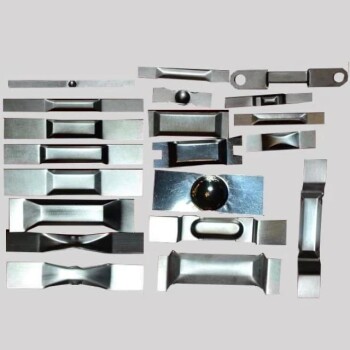
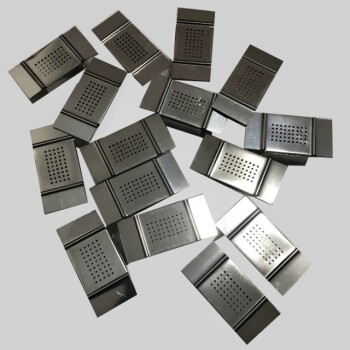
- Molybdenum Tungsten Tantalum Special Shape Evaporation Boat
- Molybdenum Vacuum Heat Treat Furnace
- Vacuum Heat Treat and Molybdenum Wire Sintering Furnace for Vacuum Sintering
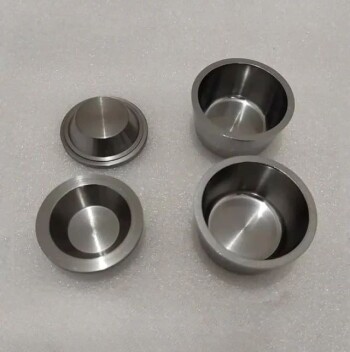
- Folding Molybdenum Tantalum Boat With or Without Cover
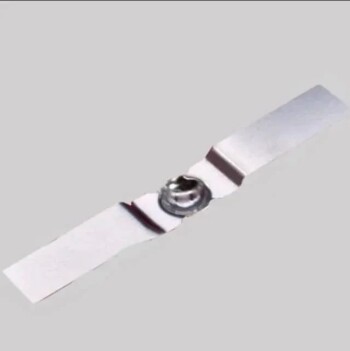
- Hemispherical Bottom Tungsten Molybdenum Evaporation Boat
People Also Ask
- What are the applications of molybdenum? From High-Temperature Furnaces to Space Lubricants
- Why use high-purity quartz boats for biochar calcination? Ensure sample purity and thermal stability in your research.
- What is the maximum operating temperature for molybdenum? Key Factors for High-Temp Performance
- What are the pros and cons of molybdenum? Harness Its High-Temperature Power
- What are 5 common uses for molybdenum? Enhancing Steel, Alloys, and High-Temp Performance