High-temperature acid resistance is the defining requirement for PVC pyrolysis reactor materials. Because the thermal decomposition of polyvinyl chloride (PVC) releases high concentrations of corrosive gases, specifically hydrogen chloride (HCl), the reactor's inner liners and key connecting components must be manufactured from special alloys or ceramic-coated materials capable of enduring both extreme heat and acidic environments.
The pyrolysis of PVC creates a chemically aggressive environment due to the release of hydrogen chloride gas. To prevent rapid equipment degradation and extend operational lifespan, reactor materials must rely on specialized metallurgy or protective ceramic barriers rather than standard structural steel.
The Core Challenge: High-Temperature Acid Attack
The Chemical Source of Corrosion
The primary driver for material selection is the chemical nature of PVC itself. When subjected to pyrolysis, PVC releases significant amounts of hydrogen chloride (HCl).
The Thermal Multiplier
This is not merely an issue of chemical exposure; it is a thermal issue. The combination of corrosive gases and the high temperatures required for pyrolysis accelerates the corrosion rate of standard metals significantly.
Critical Material Strategies
Specialized Alloys
To combat the corrosive atmosphere, the reactor construction cannot rely on standard carbon steel. You must utilize special alloys engineered to resist chloride stress corrosion cracking and general acidic erosion at elevated temperatures.
Ceramic Coatings
An alternative or supplementary approach involves the use of ceramic-coated materials. These coatings provide an inert barrier that prevents the corrosive HCl gas from contacting the underlying structural metal.
Protecting Vulnerable Components
The requirement for these advanced materials is most critical for the inner liners of the reactor.
Additionally, key connecting components must also be manufactured from these resistant materials. These connection points are often weak spots where gas leaks or structural failure can occur first if not properly protected.
Understanding the Trade-offs
Initial Cost vs. Operational Lifespan
Materials capable of withstanding high-temperature HCl—such as special alloys and ceramic coatings—are significantly more expensive than standard reactor materials.
However, opting for lower-grade materials is a false economy. Inadequate corrosion resistance leads to rapid equipment damage, frequent downtime for repairs, and a drastically shortened operational lifespan for the entire pyrolysis system.
Making the Right Choice for Your Project
To ensure the safety and longevity of your PVC pyrolysis system, prioritize the materials used in the gas-contact zones.
- If your primary focus is maximum durability: Select special alloys for key connecting components to prevent structural failure under thermal and chemical stress.
- If your primary focus is surface protection: Implement high-quality ceramic coatings on inner liners to create a robust barrier against HCl attack.
Invest in the right materials now to prevent catastrophic corrosion later.
Summary Table:
| Material Strategy | Key Benefit | Ideal Application Area |
|---|---|---|
| Special Alloys | Resists chloride stress cracking & high-heat erosion | Key connecting components & structural joints |
| Ceramic Coatings | Provides an inert chemical barrier against HCl gas | Inner liners & large surface area contact zones |
| High-Temp Resistance | Prevents rapid degradation at pyrolysis temperatures | Core reactor chamber & heating zones |
| Acid Resistance | Neutralizes the impact of hydrogen chloride (HCl) | All gas-contact surfaces & exhaust ports |
Upgrade Your Laboratory Resilience with KINTEK
Don't let corrosive HCl gas compromise your research or production. KINTEK specializes in high-performance laboratory solutions, offering advanced high-temperature high-pressure reactors and autoclaves engineered to withstand the most aggressive chemical environments.
Whether you are processing PVC or developing new polymer recycling methods, our expert team provides the specialized metallurgy and ceramic or PTFE-lined consumables needed to ensure safety and equipment longevity. From precision crushing and milling systems to custom high-temperature furnaces, KINTEK is your partner in material science excellence.
Maximize your reactor's lifespan and prevent equipment failure—Contact KINTEK today for a customized quote!
References
- Edgar Clyde R. Lopez. Pyrolysis of Polyvinyl Chloride, Polypropylene, and Polystyrene: Current Research and Future Outlook. DOI: 10.3390/asec2023-15376
This article is also based on technical information from Kintek Solution Knowledge Base .
Related Products
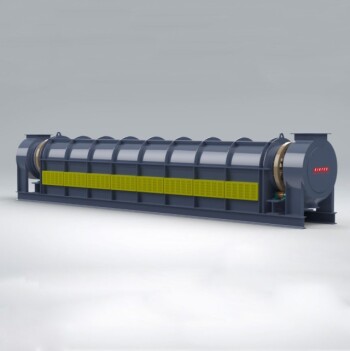
- Electric Rotary Kiln Small Rotary Furnace Biomass Pyrolysis Plant
- Custom PTFE Teflon Parts Manufacturer for Hydrothermal Synthesis Reactor Polytetrafluoroethylene Carbon Paper and Carbon Cloth Nano-growth
- Electric Rotary Kiln Continuous Working Small Rotary Furnace Heating Pyrolysis Plant
- Electric Rotary Kiln Pyrolysis Furnace Plant Machine Calciner Small Rotary Kiln Rotating Furnace
- Custom PTFE Teflon Parts Manufacturer for Microwave Digestion Tank
People Also Ask
- What is the temperature of a rotating kiln? It Depends on Your Material and Process Goal
- What are the different types of calciners? A Guide to Selecting the Right Thermal Processing Equipment
- What are the principles of a rotary kiln? Master the Mechanics of High-Temperature Processing
- How are rotary kilns heated? Direct vs. Indirect Heating Methods Explained
- Is rotary kiln a furnace? Discover the Key Differences for Industrial Processing