The primary function of a high-pressure reactor with a polytetrafluoroethylene (PTFE) liner is to generate a sealed, high-temperature hydrothermal environment necessary for synthesizing Silicon-Fluorinated Graphene (Si-FG).
By creating conditions of high pressure and temperatures around 190°C, the reactor drives an in-situ self-assembly reaction. This thermodynamic stress induces partial defluorination, allowing silicon nanoparticles to chemically anchor to the graphene structure rather than merely physically mixing with it.
The reactor setup is not just a vessel for containment; it is a thermodynamic tool. It forces a chemical evolution where high pressure and heat transform loose silicon and graphene precursors into a unified composite with a specialized heterojunction structure.
Creating the Thermodynamic Environment
To understand why this specific reactor is required, you must look beyond simple heating. The synthesis relies on the interplay between pressure, temperature, and material compatibility.
The Role of the Sealed System
The reactor operates as a closed system. As the temperature rises, the vapor pressure inside the sealed vessel increases significantly above atmospheric levels.
This high pressure forces the solvent and precursors into intimate contact, overcoming energy barriers that would prevent reaction at standard pressures.
Thermal Activation at 190°C
The reference specifically notes a temperature of 190°C. This is a critical threshold for this synthesis.
At this temperature, the kinetic energy within the system is sufficient to initiate the chemical changes required for the composite to form, specifically the modification of the fluorinated graphene.
The Function of the PTFE Liner
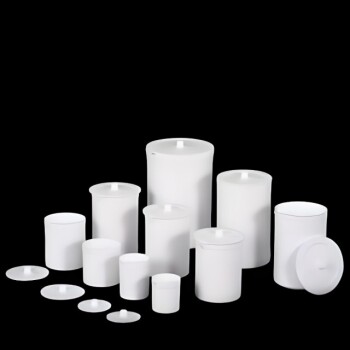
While the primary reference focuses on the thermodynamics, the PTFE (Teflon) liner serves a critical practical role in this high-pressure context.
It provides a chemically inert barrier between the reactive mixture and the steel reactor shell. This prevents the vessel from corroding and ensures the final Si-FG composite remains pure and free of metallic contaminants from the reactor walls.
Driving the Chemical Mechanism
The high-pressure reactor is the engine that drives the specific chemical mechanism known as in-situ self-assembly. This process is what differentiates a high-quality composite from a simple physical mixture.
Inducing Partial Defluorination
The extreme conditions within the reactor cause the fluorinated graphene to undergo partial defluorination.
This is a precise chemical adjustment. The process removes enough fluorine atoms to create active sites for bonding, but retains enough to preserve the beneficial properties of the fluorinated graphene.
Anchoring Silicon Nanoparticles
The reaction environment enables the silicon powder to coat or anchor onto the fluorinated graphene sheets.
This is not a loose association; the partial defluorination facilitates a strong interaction, ensuring the silicon is firmly attached to the graphene matrix.
Forming the Heterojunction Structure
The ultimate output of this reactor-driven process is a specialized heterojunction structure.
This structure represents the interface where the silicon and fluorinated graphene meet. The integrity of this junction—formed only under these high-pressure, hydrothermal conditions—is what defines the material's final performance characteristics.
Understanding the Trade-offs
While effective, using a high-pressure hydrothermal reactor involves specific process variables that must be carefully managed.
Precision vs. Degradation
The process relies on partial defluorination. If the temperature is too high or the reaction time too long, you risk excessive defluorination.
This would strip the graphene of its fluorinated characteristics entirely, fundamentally altering the material's electronic and chemical properties.
Safety and Scalability
Operating at 190°C under high pressure requires strict safety protocols.
While excellent for laboratory synthesis, scaling up high-pressure batch reactors can be more complex and costly compared to atmospheric pressure methods.
Making the Right Choice for Your Synthesis
When evaluating this synthesis method, consider your specific material goals.
- If your primary focus is Structural Integrity: This method is ideal because the in-situ self-assembly creates a robust mechanical bond (heterojunction) between the silicon and graphene.
- If your primary focus is Material Purity: The PTFE liner is essential, as it ensures the high-temperature reaction does not leach contaminants from the reactor vessel into your composite.
By leveraging the thermodynamic power of a high-pressure reactor, you transform raw precursors into a sophisticated, cohesive composite material.
Summary Table:
| Feature | Function in Si-FG Synthesis |
|---|---|
| Sealed Environment | Generates high vapor pressure to overcome reaction energy barriers. |
| PTFE Liner | Ensures chemical inertness and prevents metallic contamination of the composite. |
| 190°C Temperature | Provides necessary kinetic energy for thermal activation and bonding. |
| In-situ Self-assembly | Anchors silicon nanoparticles to graphene via partial defluorination. |
| Structural Result | Creates a specialized heterojunction for enhanced performance. |
Elevate Your Nanomaterial Synthesis with KINTEK
Precision in thermodynamics is the key to superior composite materials. KINTEK provides industry-leading high-temperature high-pressure reactors and autoclaves, specifically designed with premium PTFE liners and advanced thermal controls to support your most sensitive chemical mechanisms.
Whether you are focusing on Si-FG composites, battery research, or complex hydrothermal synthesis, our specialized laboratory equipment—ranging from PTFE consumables and crucibles to vacuum and tube furnaces—ensures purity and structural integrity at every stage.
Ready to optimize your lab’s output? Contact our experts today to find the perfect reactor or high-pressure solution for your research goals.
Related Products
- Custom PTFE Teflon Parts Manufacturer for Hydrothermal Synthesis Reactor Polytetrafluoroethylene Carbon Paper and Carbon Cloth Nano-growth
- Stainless High Pressure Autoclave Reactor Laboratory Pressure Reactor
- High Pressure Laboratory Autoclave Reactor for Hydrothermal Synthesis
- Customizable High Pressure Reactors for Advanced Scientific and Industrial Applications
- Custom PTFE Teflon Parts Manufacturer for Microwave Digestion Tank
People Also Ask
- What is the function of a PTFE reactor in MXene etching? Ensure Safe, High-Purity MAX Phase Conversion
- Why is a PTFE reactor required for titanium-based nano-ceramic coating solutions? Ensure Chemical Inertness & Purity
- Why must a Polytetrafluoroethylene (PTFE) reactor be used for Ti3C2TX MXene etching? Ensure Safety and Purity
- Why are PTFE reactors preferred for silver phosphate glass testing? Ensure Purity and Kinetic Accuracy
- What are the advantages of using polytetrafluoroethylene (PTFE) liners in hydrothermal synthesis reactors? High Purity