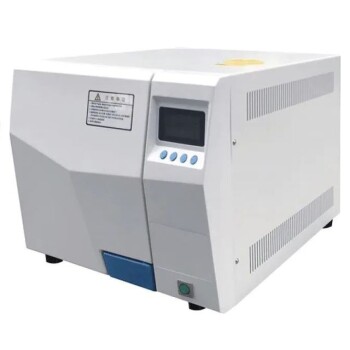
The primary function of a laboratory oven in the preparation of peanut shell substrates is to rigorously remove residual moisture following pretreatment stages. By maintaining a constant, controlled temperature (typically 50°C), the oven ensures the biomass is completely dry before it enters the reaction system.
Core Insight: Moisture is a hidden contaminant that undermines experimental precision. The laboratory oven eliminates this variable, preventing the dilution of catalysts and ensuring that mass measurements reflect the true weight of the substrate, not the water trapped inside it.
The Critical Role of Moisture Removal
Ensuring Precise Weighing
Peanut shells are biomass materials that naturally retain water in their porous structures. If this water is not removed, any measurement of the substrate’s weight will be artificially inflated.
Using a laboratory oven guarantees that when you weigh the sample, you are measuring the dry mass of the peanut shells only. This establishes a reliable baseline for all subsequent calculations in the experiment.
Protecting Reaction Integrity
Chemical reactions often require precise concentrations of reagents and catalysts. If a substrate is wet, that moisture will be released into the reaction mixture.
This unintended water entry dilutes the catalyst concentration. This dilution changes the reaction environment, potentially slowing down the process or yielding inaccurate data regarding the substrate's reactivity.
The Importance of Controlled Conditions
Steady Temperature Regulation
The laboratory oven does not just heat the sample; it maintains a stable thermal environment. The reference specifies a temperature of 50°C for an extended period.
This specific, low-heat approach is intentional. It provides enough energy to evaporate water but prevents thermal degradation or charring of the peanut shell material itself.
Eliminating Variables
Experimental precision relies on controlling every variable. Moisture content is a variable that fluctuates with humidity and storage conditions.
By standardizing the drying process in an oven, you remove environmental fluctuations. This ensures that every batch of substrate prepared is chemically and physically consistent.
Common Pitfalls to Avoid
Incomplete Drying
Removing samples from the oven too early is a frequent error. If the substrate still contains trace moisture, it will compromise both the weight and the catalyst concentration.
Ignoring Temperature Limits
While drying is essential, the temperature must remain controlled. The goal is to dry the sample, not to cook or pyrolyze it. Adhering to the recommended 50°C preserves the chemical structure of the biomass for the actual experiment.
Ensuring Experimental Success
To maximize the reliability of your peanut shell substrate preparation, focus on the specific needs of your analysis:
- If your primary focus is accurate stoichiometry: Ensure the drying period is long enough that the sample reaches a constant weight, verifying that all moisture is gone.
- If your primary focus is reaction kinetics: Prioritize thorough drying to prevent water from diluting your catalyst and skewing reaction rate data.
Proper drying is the invisible step that secures the validity of your entire experiment.
Summary Table:
| Feature | Function in Substrate Preparation | Impact on Experimental Accuracy |
|---|---|---|
| Moisture Removal | Eliminates water trapped in porous biomass | Ensures measurements reflect true dry mass |
| Temperature Stability | Maintains constant 50°C environment | Prevents thermal degradation and charring |
| Variable Control | Standardizes drying across all batches | Removes fluctuations caused by ambient humidity |
| Reaction Protection | Prevents unintended water release | Maintains catalyst concentration and reaction kinetics |
Elevate Your Biomass Research with KINTEK Precision
Don’t let hidden moisture compromise your experimental data. KINTEK specializes in high-performance laboratory equipment designed to meet the rigorous demands of material science and biomass preparation.
Whether you require high-precision laboratory ovens for substrate drying, crushing and milling systems for sample preparation, or high-temperature high-pressure reactors for subsequent analysis, KINTEK provides the reliability your research deserves. Our comprehensive range—from PTFE consumables to advanced thermal processing solutions—is engineered to ensure your laboratory achieves consistent, reproducible results every time.
Ready to optimize your lab's workflow? Contact KINTEK today to discover how our professional-grade tools can enhance your research precision and efficiency.
References
- A. Halliru, A. S. Muhammad. Optimization of Levulinic acid production from groundnut shell using Taguchi orthogonal array design. DOI: 10.4314/bajopas.v12i1.51s
This article is also based on technical information from Kintek Solution Knowledge Base .
Related Products
- Laboratory Scientific Electric Heating Blast Drying Oven
- 56L Vertical Laboratory Vacuum Drying Oven
- 23L Laboratory Vacuum Drying Oven
- 1200℃ Muffle Furnace Oven for Laboratory
- 1700℃ Muffle Oven Furnace for Laboratory
People Also Ask
- How does a laboratory electric drying oven contribute to the formation of the initial coating? Expert Insights
- What role does a precision laboratory drying oven play in the synthesis of GO-PANI nanocomposites? Protect Material Integrity
- What role does a laboratory drying oven play in the preparation of zinc oxide nanoparticle precursors?
- What is the necessity of using a laboratory drying oven when processing MoO3/GO composite nanopowders? Find out here.
- What is the role of a laboratory drying oven in cellulose citrate production? Ensure Material Stability & Purity