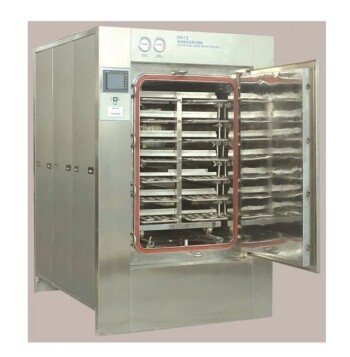
A high-pressure stainless steel autoclave functions as a specialized containment vessel designed to create and sustain the extreme physical conditions required to break down cellulose. Its primary role is to maintain high reaction temperatures up to 245°C and high hydrogen pressures of approximately 6 MPa, while simultaneously utilizing high-speed stirring to force interaction between the solid, liquid, and gas phases.
The autoclave acts as a high-energy process enabler: it suppresses the boiling of water at high temperatures and forces hydrogen gas into solution. Without this pressurized, turbulent environment, the inert structure of cellulose would resist conversion into useful sugar alcohols.
Creating the Reaction Environment
Sustaining Hydrothermal Conditions
The conversion of cellulose requires a process known as hydrothermal hydrolysis. To achieve this, water must remain in a liquid state at temperatures well above its atmospheric boiling point—specifically up to 245°C for this reaction.
The stainless steel autoclave provides a sealed environment that allows pressure to build as temperature rises. This prevents the water from vaporizing, ensuring the cellulose remains submerged in a hot, reactive liquid medium necessary for breakdown.
Facilitating Hydrogenation
Following hydrolysis, the process requires hydrogenation to convert the resulting sugars into alcohols. This step relies on the presence of hydrogen gas ($H_2$).
The autoclave is engineered to withstand high hydrogen pressures, typically around 6 MPa. Maintaining this high pressure is critical because it forces the hydrogen gas to dissolve into the liquid phase, making it available to react with the dissolved sugars.
Overcoming Phase Barriers
Managing a Three-Phase Mixture
The catalytic conversion of cellulose is a complex heterogeneous reaction involving three distinct phases:
- Solid: Cellulose and the Platinum/OMCA catalyst.
- Liquid: Water (the solvent).
- Gas: Hydrogen.
Left static, these materials would separate, preventing the necessary chemical reactions from occurring at a viable rate.
The Necessity of High-Speed Stirring
To overcome phase separation, the autoclave is equipped with a high-speed stirring system. This mechanical agitation creates intense turbulence within the vessel.
This turbulence ensures thorough contact between the solid cellulose, the catalyst, and the hydrogen-saturated water. By maximizing the surface area contact between these distinct phases, the autoclave significantly improves mass transfer efficiency, facilitating a smooth and efficient chemical conversion.
Understanding the Trade-offs
Material Integrity vs. Corrosion
While stainless steel is chosen for its tensile strength against pressure, it is also selected for chemical resistance. However, at high temperatures and pressures, acidic byproducts from biomass conversion can attack even robust metals.
Safety and Complexity
Operating at 6 MPa and 245°C introduces significant safety considerations compared to atmospheric reactors. The vessel requires rigorous pressure relief systems and precise temperature control loops, increasing the operational complexity and cost of the setup.
Making the Right Choice for Your Goal
When selecting or operating an autoclave for biomass conversion, prioritize specifications based on your specific outcome:
- If your primary focus is reaction speed: Prioritize a unit with high-torque, high-RPM stirring capabilities to maximize mass transfer between the hydrogen gas and the solid catalyst.
- If your primary focus is process flexibility: Ensure the vessel is rated for pressures significantly above 6 MPa, giving you the headroom to experiment with higher gas solubilities without compromising safety.
The autoclave is not merely a container; it is an active thermodynamic tool that forces recalcitrant biomass to undergo chemical transformation.
Summary Table:
| Feature | Function in Cellulose Conversion | Key Specification |
|---|---|---|
| Hydrothermal Environment | Sustains liquid water above boiling point for hydrolysis | Up to 245°C |
| High-Pressure Seal | Forces hydrogen gas into solution for hydrogenation | Approx. 6 MPa |
| High-Speed Stirring | Overcomes phase barriers between solid, liquid, and gas | High-torque/High-RPM |
| Material Build | Resists high-pressure stress and chemical corrosion | Stainless Steel |
Maximize Your Biomass Conversion Efficiency with KINTEK
Transitioning from cellulose to high-value sugar alcohols requires precise control over extreme thermodynamic environments. KINTEK specializes in advanced high-temperature high-pressure reactors and autoclaves designed specifically to handle the rigors of hydrothermal hydrolysis and heterogeneous catalysis.
Our equipment provides the high-torque stirring and pressure integrity necessary to ensure optimal mass transfer and safety in your laboratory. Beyond reactors, we offer a comprehensive suite of laboratory solutions, including crushing and milling systems for biomass preparation and cooling solutions for post-reaction processing.
Ready to scale your research? Contact our technical experts today to find the perfect high-pressure solution tailored to your specific reaction parameters!
References
- Jinming Xu, Tao Zhang. Synthesis, characterization, and catalytic application of highly ordered mesoporous alumina-carbon nanocomposites. DOI: 10.1007/s12274-010-0038-0
This article is also based on technical information from Kintek Solution Knowledge Base .
Related Products
- Stainless High Pressure Autoclave Reactor Laboratory Pressure Reactor
- Mini SS High Pressure Autoclave Reactor for Laboratory Use
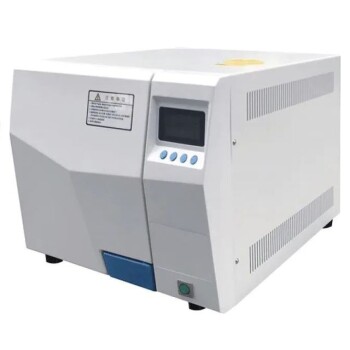
- Desktop Fast High Pressure Laboratory Autoclave Sterilizer 16L 24L for Lab Use
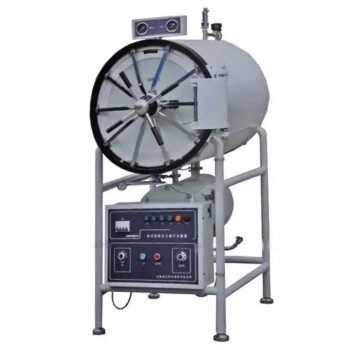
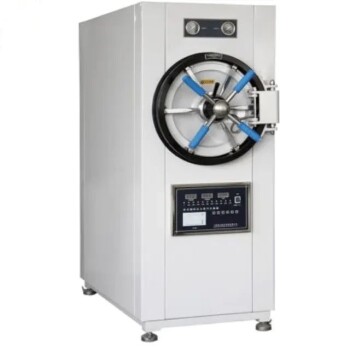
- Laboratory High Pressure Horizontal Autoclave Steam Sterilizer for Lab Use
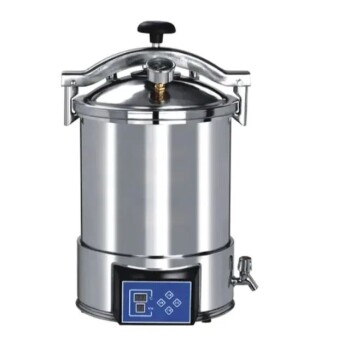
- Portable High Pressure Laboratory Autoclave Steam Sterilizer for Lab Use
People Also Ask
- Why is a laboratory high-pressure reactor used in the hydrothermal synthesis of hydroxyapatite catalysts?
- Why is a laboratory high-pressure reactor necessary for synthesizing fly ash-based zeolite? Achieve Pure Crystallization
- What role does a laboratory high-pressure reactor play in the leaching process of spent cathode materials? Optimize Recovery
- What conditions do laboratory high-pressure reactors provide for HTC? Optimize Your Biochar Production Processes
- How are high-pressure reactors used to prepare metaphosphate electrocatalysts? Master In-Situ Precursor Growth