The primary function of Polytetrafluoroethylene (PTFE) in Gas Diffusion Electrodes (GDE) is to serve as a hydrophobic binder. By integrating PTFE into the electrode structure, you regulate the critical balance between liquid and gas interaction. This ensures that the electrode retains its structural integrity while managing the flow of reactants.
PTFE acts as the essential "waterproofing" agent within the electrode's catalytic layer. It creates hydrophobic channels that prevent the liquid electrolyte from drowning the catalyst, thereby guaranteeing that oxygen gas can freely access the reaction sites.
The Mechanics of Gas Diffusion
To understand why PTFE is indispensable, you must look beyond its role as a simple plastic binder. The efficiency of a Gas Diffusion Electrode hinges on its ability to manage three phases simultaneously: solid (catalyst), liquid (electrolyte), and gas (oxygen).
Regulating Hydrophilic-Hydrophobic Balance
An untreated electrode may naturally absorb too much liquid. PTFE allows you to fine-tune the hydrophilic-hydrophobic balance of the material.
By introducing this hydrophobic (water-repelling) polymer, you modify the internal environment of the electrode. This creates a dual-structure where some areas wet the electrolyte, while others repel it to remain open for gas flow.
Prevention of Electrolyte Flooding
The most significant threat to GDE performance is "flooding," where liquid electrolyte saturates the internal pores.
If the pores flood, the reactant gas cannot diffuse through the electrode. PTFE constructs hydrophobic channels within the catalytic layer and the microporous layer (MPL). These channels physically repel the liquid electrolyte, ensuring the internal pore structure remains accessible.
Ensuring Catalyst Availability
For the electrode to function, the gaseous oxygen must physically reach the catalyst surface.
By keeping the pores open, PTFE facilitates the Oxygen Reduction Reaction (ORR). This uninterrupted gas transport is vital for maintaining high reaction rates and enabling continuous production of chemical outputs, such as hydrogen peroxide.
Understanding the Trade-offs
While PTFE is excellent for chemical stability and water management, it introduces specific manufacturing constraints.
Processing Limitations
Unlike many thermoplastics, PTFE is difficult to flow after melting.
It cannot be processed using standard injection molding techniques. Instead, it requires sintering—a process of compacting and forming a solid mass of material by heat or pressure without melting it to the point of liquefaction. This limits your flexibility in designing complex electrode shapes and dictates specific processing methods.
Making the Right Choice for Your Goal
The application of PTFE is a balancing act between structural stability and mass transport efficiency.
- If your primary focus is preventing electrode failure: Ensure the PTFE content is sufficient to create a robust hydrophobic network that actively blocks electrolyte flooding.
- If your primary focus is maximizing reaction efficiency: Optimize the PTFE distribution to maintain open gas channels without completely blocking the necessary electrolyte-catalyst contact.
PTFE is the functional architect that allows incompatible phases—gas and liquid—to coexist efficiently within your electrochemical system.
Summary Table:
| Feature | Function of PTFE in GDE | Benefit to Electrochemical Process |
|---|---|---|
| Hydrophobicity | Creates water-repelling channels | Prevents electrolyte flooding of catalyst pores |
| Phase Balance | Regulates liquid-gas-solid interface | Ensures efficient Oxygen Reduction Reaction (ORR) |
| Structural Support | Acts as a chemical-resistant binder | Maintains electrode integrity under harsh conditions |
| Gas Transport | Keeps microporous layers open | Facilitates continuous flow of reactant gases |
| Chemical Stability | Resists degradation from electrolytes | Extends the operational lifespan of the electrode |
Optimize Your Electrochemical Research with KINTEK Quality
Precision in material science is the key to breakthrough results. At KINTEK, we specialize in providing high-performance laboratory solutions, from electrolytic cells and electrodes to specialized PTFE consumables and high-pressure reactors.
Whether you are refining Gas Diffusion Electrode (GDE) fabrication or scaling battery research, our comprehensive range of high-temperature furnaces, crushing systems, and hydraulic presses ensures your lab is equipped for excellence.
Ready to enhance your lab's efficiency and reaction accuracy? Contact KINTEK today to discuss our customized equipment and consumable solutions tailored to your specific research goals.
References
- Edgar Fajardo-Puerto, Francisco Carrasco‐Marín. From Fenton and ORR 2e−-Type Catalysts to Bifunctional Electrodes for Environmental Remediation Using the Electro-Fenton Process. DOI: 10.3390/catal13040674
This article is also based on technical information from Kintek Solution Knowledge Base .
Related Products
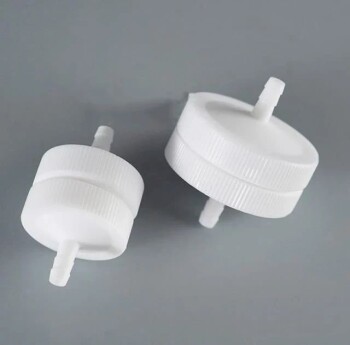
- Custom PTFE Teflon Parts Manufacturer for Sampling Filters
- Custom PTFE Teflon Parts Manufacturer for Hydrothermal Synthesis Reactor Polytetrafluoroethylene Carbon Paper and Carbon Cloth Nano-growth
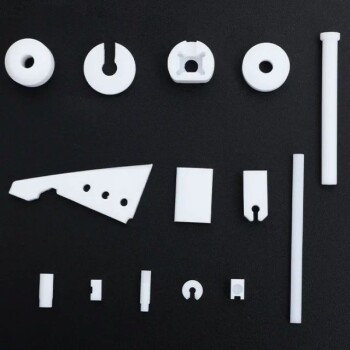
- Custom PTFE Teflon Parts Manufacturer for Non-Standard Insulator Customization
- Custom PTFE Teflon Parts Manufacturer Adjustable Height Flower Basket
- Custom PTFE Teflon Parts Manufacturer for Microwave Digestion Tank
People Also Ask
- What are the advantages of using PTFE filters for ionic component analysis? Ensure Accurate Sample Quantification
- Why are PTFE membrane filters selected for rice husk fractionation? Ensuring Purity in Harsh Separation Stages
- Is PTFE corrosion resistant? Discover the Ultimate Chemical Resistance for Your Lab
- What are the specific applications of PTFE in micro-batch slug flow systems? Enhance Your Microfluidic Reaction Purity
- How is PTFE utilized for insulation in Alloy 22 corrosion setups? Ensure Signal Purity & Accuracy