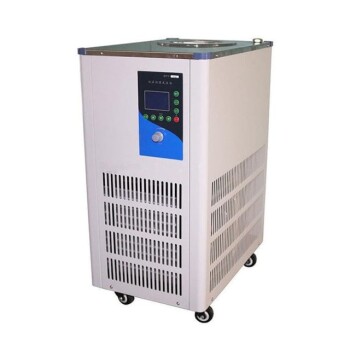
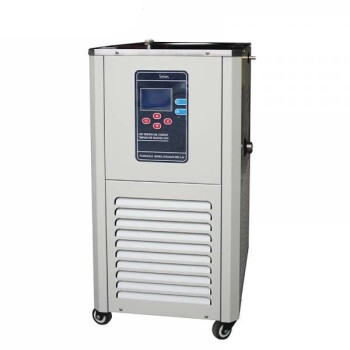
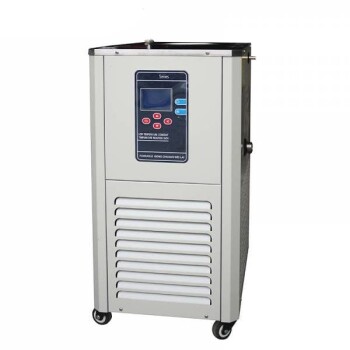
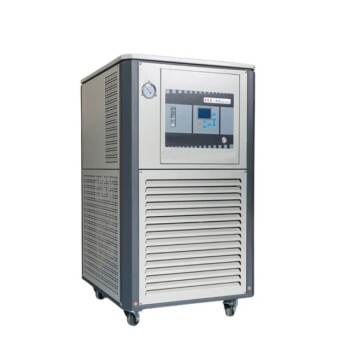
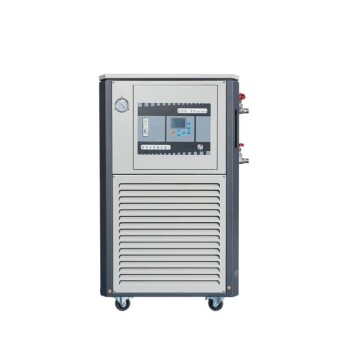
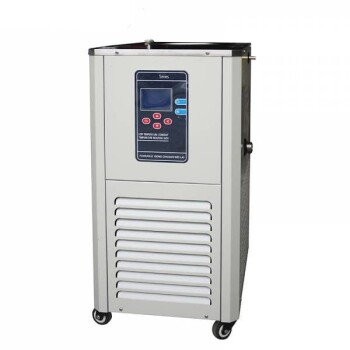
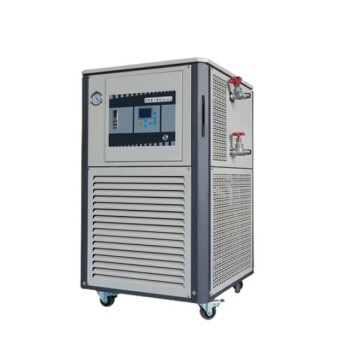
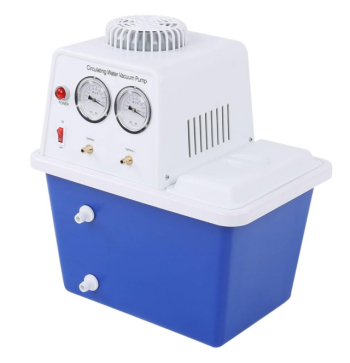
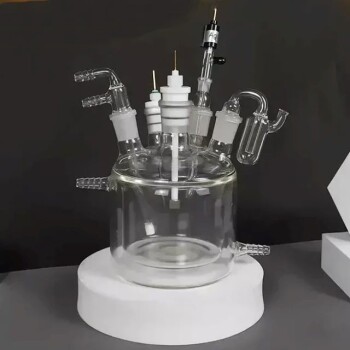
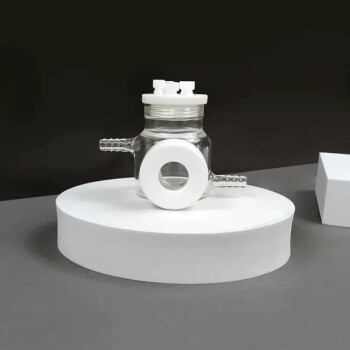
A cooling circulation water bath system is primarily designed to maintain precise thermal control within an electrochemical reactor. It actively circulates temperature-regulated fluid to counteract the ohmic heat generated during the oxidation process, ensuring that the solution remains at a constant, optimal temperature throughout the experiment.
This system acts as a critical stabilizer for both the chemical process and the hardware. By neutralizing thermal fluctuations, it ensures data reproducibility, protects sensitive reactor components, and preserves the structural integrity of the resulting oxide films.
Ensuring Process Stability and Reproducibility
Counteracting Ohmic Heat
Electrochemical oxidation naturally generates ohmic heat as current passes through the electrolyte solution. Without intervention, this heat accumulates, causing the reactor temperature to rise uncontrolled.
Preventing Reaction Rate Fluctuations
Chemical reaction kinetics are highly sensitive to thermal changes. By maintaining a constant temperature, the circulation system prevents artificial acceleration or deceleration of the reaction, ensuring the data reflects the experiment's parameters rather than thermal variables.
Avoiding Unintended Evaporation
Unchecked temperature spikes can lead to the evaporation of the electrolyte solution. This alters the concentration of the solution during the experiment, which would skew results and degrade the reproducibility of experimental data.
Protecting Hardware and Sample Integrity
Shielding Sensitive Components
High-pressure reactors contain precision parts that are vulnerable to extreme heat. The cooling system prevents thermal conduction to non-working areas, specifically protecting seals and sensors that could fail or degrade under high thermal stress.
Preserving the Oxide Film
The physical integrity of the sample surface is paramount for morphological analysis. If a sample cools too rapidly or unevenly after an experiment, the resulting thermal stress can cause the oxide film to peel off.
Controlled Cooling
The circulation system allows for a gradual, controlled reduction in temperature at the experiment's conclusion. This controlled ramp-down maintains the authenticity of the sample, ensuring reliable post-experiment analysis.
Understanding the Operational Trade-offs
System Response Time (Thermal Lag)
While water baths offer stability, they are not instantaneous. There is often a slight thermal lag between the bath temperature and the internal reactor temperature, requiring careful calibration and monitoring.
Increased Setup Complexity
Introducing a circulation system adds variables to the setup, including tubing connections and pump maintenance. Any leak or pump failure can interrupt the cooling cycle, immediately jeopardizing the experiment's validity.
Making the Right Choice for Your Goal
To maximize the value of a cooling circulation system, tailor its usage to your specific experimental objectives:
- If your primary focus is Reaction Kinetics: Prioritize constant-temperature maintenance to eliminate thermal variables from your rate data.
- If your primary focus is Surface Morphology: Prioritize the controlled cooling phase to prevent thermal shock and preserve the oxide film layer.
- If your primary focus is Equipment Longevity: Ensure the cooling loop effectively targets the interface between the heated reactor zone and sensitive seals.
By treating the cooling system as an active control variable rather than passive hardware, you ensure the scientific validity of your electrochemical oxidation results.
Summary Table:
| Feature | Function in Electrochemical Oxidation | Impact on Experimental Outcomes |
|---|---|---|
| Thermal Stabilization | Counteracts ohmic heat buildup | Ensures kinetic consistency and data reproducibility |
| Fluid Circulation | Regulates electrolyte temperature | Prevents unintended solution evaporation and concentration shifts |
| Controlled Ramp-down | Gradual cooling post-experiment | Preserves oxide film integrity and prevents surface peeling |
| Hardware Protection | Shields seals and sensors from heat | Extends reactor lifespan and prevents system failure |
Optimize Your Electrochemical Research with KINTEK Precision Solutions
Thermal instability shouldn't compromise your experimental integrity. KINTEK specializes in advanced laboratory equipment designed to meet the rigorous demands of modern research. Whether you are performing complex electrochemical oxidation or high-pressure synthesis, our comprehensive portfolio offers the reliability you need:
- Thermal Control: High-performance cooling solutions, including ULT freezers, cold traps, and circulation systems.
- Electrochemical Excellence: Specialized electrolytic cells, premium electrodes, and battery research tools.
- Reactor Systems: High-temperature high-pressure reactors and autoclaves engineered for durability.
- Material Processing: Precision crushing, milling, and hydraulic presses for sample preparation.
Take control of your laboratory variables today. Contact our technical experts to find the perfect cooling or reactor system tailored to your specific research goals and ensure every result is reproducible and accurate.
References
- Jülide Erkmen, Mahmut ADIGÜZEL. Acid Red-20 sentetik endüstriyel boyar maddenin elektro-oksidasyon yöntemi ile sulu çözeltiden uzaklaştırılması. DOI: 10.28948/ngumuh.854958
This article is also based on technical information from Kintek Solution Knowledge Base .
Related Products
- 80L Chilling Circulator Cooling Water Circulator for Water Bath Cooling and Low Temperature Constant Temperature Reaction Bath
- 100L Chilling Circulator Cooling Water Circulator for Low Temperature Constant Temperature Reaction Bath Water Bath Cooling
- 10L Chilling Circulator Cooling Water Bath Low Temperature Constant Temperature Reaction Bath
- 20L Chiller Water Bath Cooling Circulator Low Temperature Constant Temperature Reaction Bath
- 50L Chiller Water Bath Cooling Circulator Low Temperature Constant Temperature Reaction Bath
People Also Ask
- Why is a circulating water chiller required for Prussian Blue nanoparticles? Ensure Stability & Batch Reproducibility
- What function does a circulating cooling chiller perform during the gas adsorption isotherm testing of nanoporous carbon?
- What is the necessity of a circulating water bath in chlorate production? Optimize Yield & Purity with Precision
- For which types of substances are water baths and chillers considered ideal? Essential Care for Sensitive Samples
- What is the role of low-temperature cooling baths in bio-oil collection? Maximize Yield Through Rapid Quenching