The primary purpose of adding yttria to zirconia is to serve as a chemical stabilizer that prevents structural failure during the manufacturing process. By inhibiting volumetric expansion during the cooling phase of high-temperature sintering, yttria prevents the material from developing micro-cracks or fracturing, resulting in a component with exceptional strength and toughness.
Core Takeaway Pure zirconia naturally undergoes a disruptive phase transformation when cooling, causing it to expand and crack. Adding yttria stabilizes the crystal structure to prevent this expansion, enabling the production of Yttria-Stabilized Zirconia (YSZ)—a material essential for high-stress applications like dental crowns and precision mechanics.
The Mechanics of Stabilization
The Volumetric Expansion Problem
When pure zirconia is heated and then cooled, it does not maintain a static internal structure. As it cools down from high sintering temperatures, it undergoes a phase transformation.
This transformation is physically disruptive because it triggers a significant volumetric expansion within the material. If left unchecked, this internal swelling creates immense stress, leading inevitably to material failure.
Yttria as the Stabilizer
To counteract this, yttria is introduced as a chemical stabilizer. Its presence alters the material's behavior at the atomic level.
By adding yttria, you effectively "lock" the zirconia into a stable structure. This inhibits the problematic expansion that would otherwise occur during the cooling process.
Preventing Structural Failure
The immediate benefit of this stabilization is the preservation of physical integrity. Without yttria, the internal stresses from expansion would cause micro-cracks or complete material fracturing.
With yttria, the component remains solid and intact throughout the temperature changes. This results in Yttria-Stabilized Zirconia (YSZ), a material renowned for its reliability.
Performance Outcomes
Achieving High Fracture Toughness
The ultimate goal of this process is to create a ceramic that can withstand mechanical stress without shattering. YSZ exhibits extremely high fracture toughness.
This property makes it resistant to the propagation of cracks even under load. It transforms a brittle raw material into a resilient engineering component.
Enabling Critical Applications
Because of this enhanced strength, YSZ becomes viable for demanding applications where failure is not an option.
It is the material of choice for dental crowns, which must withstand constant bite forces. It is also used in oxygen sensors and various precision structural ceramics requiring long-term durability.
Understanding the Trade-offs
The Necessity of Precision
While yttria stabilizes zirconia, the process relies heavily on precise high-temperature sintering. This is not merely about melting powder; it is about controlling the phase transformation.
If the sintering temperature or cooling rate is uncontrolled, the stabilization may be inconsistent. This can result in distinct weak points within the ceramic.
Material Consistency
The distribution of yttria must be uniform to ensure the entire component is protected from volumetric expansion.
Localized areas lacking yttria will still expand and crack, potentially compromising the entire structure despite the general presence of the stabilizer.
Making the Right Choice for Your Project
The combination of yttria and sintering is not just a manufacturing step; it is the defining characteristic of modern high-performance ceramics.
- If your primary focus is mechanical durability: Choose YSZ for applications requiring high fracture toughness to resist cracking under physical load.
- If your primary focus is component integrity: Ensure your manufacturing process strictly controls the cooling phase to maximize the stabilizing effect of yttria.
Correctly processed Yttria-Stabilized Zirconia delivers a critical balance of stability and strength for your most demanding engineering challenges.
Summary Table:
| Feature | Pure Zirconia (Unstabilized) | Yttria-Stabilized Zirconia (YSZ) |
|---|---|---|
| Phase Transition | Disruptive expansion during cooling | Locked/Stable crystal structure |
| Structural Integrity | Prone to micro-cracks and fracturing | High fracture toughness and resilience |
| Volumetric Stability | Significant expansion (uncontrolled) | Inhibited expansion (controlled) |
| Common Applications | Limited due to brittleness | Dental crowns, oxygen sensors, precision mechanics |
Elevate Your Ceramic Manufacturing with KINTEK
Ready to achieve unmatched precision in your high-performance ceramic production? KINTEK specializes in advanced laboratory solutions designed for the most demanding material science challenges.
Our comprehensive range of high-temperature muffle and vacuum furnaces ensures perfect sintering control, while our high-pressure reactors and crushing and milling systems provide the material consistency required for superior Yttria-Stabilized Zirconia (YSZ) outcomes. Whether you are developing dental prosthetics, oxygen sensors, or aerospace components, our expert tools—from hydraulic presses to precision crucibles—are engineered to help you eliminate structural failure and maximize fracture toughness.
Transform your research and production quality today. Contact KINTEK for a customized equipment consultation!
References
- James V. Jones, George M. Bedinger. Zirconium and hafnium. DOI: 10.3133/pp1802v
This article is also based on technical information from Kintek Solution Knowledge Base .
Related Products
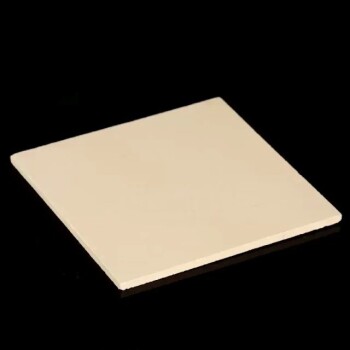
- Precision Machined Yttria Stabilized Zirconia Ceramic Plate for Engineering Advanced Fine Ceramics
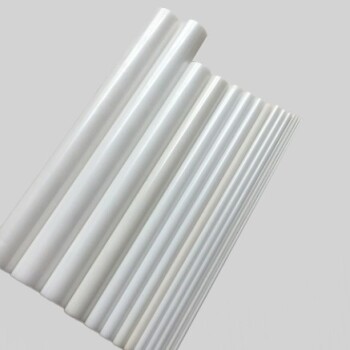
- Precision Machined Yttrium Stabilized Zirconia Ceramic Rod for Engineering Advanced Fine Ceramics
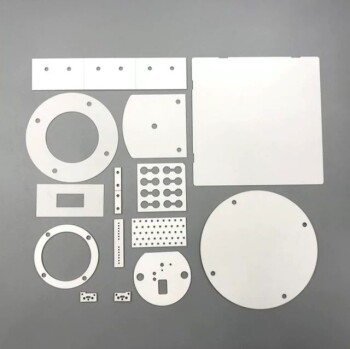
- Custom-Made Alumina Zirconia Special-Shaped Ceramic Plates for Engineering Advanced Fine Ceramics Processing
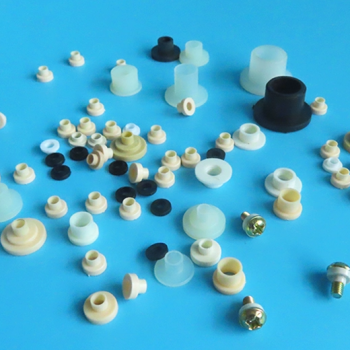
- Zirconia Ceramic Gasket Insulating Engineering Advanced Fine Ceramics
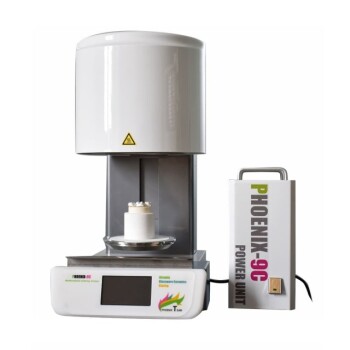
- Dental Porcelain Zirconia Sintering Ceramic Furnace Chairside with Transformer
People Also Ask
- What type of zirconia is most commonly used in dentistry? Choose Between Strength and Aesthetics
- What are the applications of zirconia ceramics? Unlock High-Performance Solutions for Extreme Environments
- Can ceramic withstand high temperatures? Discover the Superior Materials for Extreme Heat
- What are the useful applications of ceramics? Unlock High-Performance Solutions for Your Industry
- What industry uses ceramics? Discover the Critical Role of Advanced Ceramics in Modern Technology