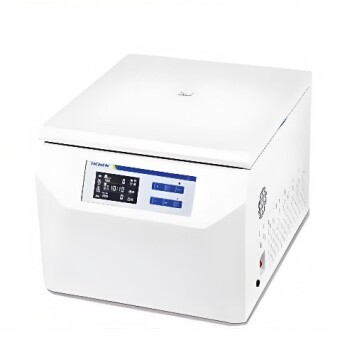
A high-pressure reactor acts as the critical force multiplier in the synthesis of silver nanowires when using the hard template method. Its role is twofold: first, it generates the specific high-temperature and high-pressure conditions required to physically force molten silver or precursors into the microscopic pores of the template. Second, it is utilized in the post-synthesis phase to create a closed environment that facilitates the complete chemical removal of the template.
The reactor provides the necessary energy to overcome capillary resistance during filling and ensures thorough chemical dissolution during extraction, directly resulting in highly oriented, high-quality nanowire arrays.
Overcoming Resistance in Nanopore Filling
Forcing Material into the Matrix
The primary challenge in hard template synthesis (such as using Anodic Aluminum Oxide, or AAO) is physically getting the silver into the mold.
The template consists of extremely small nano-pores. Under standard atmospheric conditions, surface tension often prevents molten silver or precursors from entering these tiny voids.
The high-pressure reactor solves this by creating a controlled environment. It applies sufficient pressure to force the molten material deep into the template's pores, ensuring a complete fill.
Ensuring Structural Integrity During Extraction
Facilitating Template Dissolution
Once the silver has solidified within the pores, the template itself becomes an obstruction that must be removed.
The reactor is employed during this subsequent step, typically involving alkaline solutions. By maintaining a closed, high-pressure environment, the reactor accelerates the chemical interaction between the solution and the template.
Achieving High-Quality Arrays
The quality of the final product depends heavily on how cleanly the template is removed.
The pressurized environment ensures that the dissolution process is thorough. This leaves behind a clean, highly oriented silver nanowire array, free from the structural defects associated with residual template material.
Understanding the Process Criticality
The Risk of Inadequate Pressure
It is important to recognize that the reactor is not merely a vessel, but an active participant in determining yield.
Without the specific high-pressure conditions provided by the reactor, the infiltration of silver into the pores would likely be shallow or uneven.
The Necessity of Controlled Removal
Similarly, attempting to remove the template without this controlled environment can lead to incomplete etching.
If the AAO template is not fully dissolved, the resulting nanowire arrays will lack the definition and orientation required for high-performance applications.
Making the Right Choice for Your Goal
To maximize the quality of your silver nanowire arrays, consider how the reactor influences each stage of your specific project:
- If your primary focus is Array Density: Prioritize the reactor's role in the initial phase, ensuring pressure and temperature are sufficient to overcome the capillary resistance of the specific pore size you are using.
- If your primary focus is Surface Purity: Focus on the reactor's application during the etching phase, ensuring the alkaline solution is pressurized enough to fully scour the template from the delicate wire structure.
The high-pressure reactor is the defining tool that transforms the hard template method from a theoretical concept into a viable process for creating high-quality nanostructures.
Summary Table:
| Stage of Synthesis | Role of High-Pressure Reactor | Key Benefit |
|---|---|---|
| Infiltration | Applies force to overcome surface tension/capillary resistance. | Ensures complete and uniform filling of nanopores. |
| Template Removal | Maintains a closed environment for pressurized chemical etching. | Facilitates thorough dissolution of the AAO matrix. |
| Final Quality Control | Provides precise control over temperature and pressure dynamics. | Produces highly oriented, defect-free nanowire arrays. |
Elevate Your Nanotechnology Research with KINTEK
Precision is paramount when synthesizing high-performance silver nanowire arrays. KINTEK specializes in advanced laboratory solutions, providing the high-pressure reactors and autoclaves essential for overcoming capillary resistance and achieving flawless template extraction.
Our extensive portfolio—ranging from high-temperature furnaces and vacuum systems to specialized crushing and milling equipment—is designed to meet the rigorous demands of material science and battery research. Whether you need reliable pressure vessels or high-purity ceramic consumables, our team is ready to support your lab's specific requirements.
Ready to optimize your synthesis process? Contact KINTEK today to find the perfect high-pressure solution for your research!
References
- Longxia Yang, Haicheng Wang. Silver Nanowires: From Synthesis, Growth Mechanism, Device Fabrications to Prospective Engineered Applications. DOI: 10.30919/es8d808
This article is also based on technical information from Kintek Solution Knowledge Base .
Related Products
- Customizable Laboratory High Temperature High Pressure Reactors for Diverse Scientific Applications
- Customizable High Pressure Reactors for Advanced Scientific and Industrial Applications
- Stainless High Pressure Autoclave Reactor Laboratory Pressure Reactor
- Mini SS High Pressure Autoclave Reactor for Laboratory Use
- High Pressure Laboratory Autoclave Reactor for Hydrothermal Synthesis
People Also Ask
- How do high-pressure and high-temperature reactors ensure the effective treatment of lignocellulosic wastewater in WAO?
- What equipment is required for high-pressure high-temperature reactions? Master Extreme Chemistry Safely
- How do you control high pressure in a reactor? A Guide to Safe & Stable Operation
- Why is argon better than nitrogen for inert atmosphere? Ensure Absolute Reactivity & Stability
- How does initial oxygen pressure affect the wet oxidation of pharmaceutical sludge? Master Your Oxidation Depth