The PTFE-lined high-pressure autoclave is the critical reaction vessel used to facilitate the local surface deposition of cobalt (Co) precursors onto carbon substrates. By creating a sealed, high-pressure hydrothermal environment, it allows for the precise positioning of metal species on graphene layers while strictly controlling the diffusion depth of metal ions. This controlled environment ensures that the internal elasticity of the carbon fibers remains intact, preventing the structural failure known as metal embrittlement.
The primary role of the autoclave is to provide a stable, pressurized environment that enables controlled cobalt deposition at the surface level, preserving the mechanical integrity of the underlying carbon architecture.
Engineering Precise Surface Interactions
Localized Surface Deposition
The autoclave enables a solvothermal reaction using solvents like methanol to deposit cobalt precursors directly onto exposed graphene layers. The sealed environment ensures that the reaction occurs uniformly across the substrate surface.
Prevention of Metal Embrittlement
One of the most vital functions of the autoclave is controlling the diffusion depth of the cobalt ions. By managing the pressure and temperature, it prevents the metal from penetrating too deeply into the carbon fibers, which would otherwise compromise their internal elasticity and lead to structural brittleness.
Precision Positioning of Species
The high-pressure environment facilitates the precise anchoring of metal species. This level of control is essential for creating high-performance carbon-metal composites where the surface chemistry must be modified without damaging the core physical properties.
The Mechanics of the Hydrothermal Environment
Creating Autogenous Pressure
As the vessel is heated, the internal solvent reaches a subcritical state, generating autogenous pressure. This pressure forces the cobalt precursors into the reactive sites of the carbon substrate, driving reactions that would be impossible at standard atmospheric pressure.
Enhancing Precursor Solubility
The high-pressure environment significantly increases the solubility of metal precursors in solvents like methanol or ethanol. This accelerates the reaction rate and ensures a more uniform distribution of cobalt across the carbon surface.
Driving Nucleation and Growth
The autoclave provides the thermal and baric energy required for controlled nucleation. This allows for the uniform growth of nanostructures at specific temperatures, ensuring that the cobalt species are integrated consistently throughout the batch.
The Functional Necessity of the PTFE Liner
Chemical Inertness and Purity
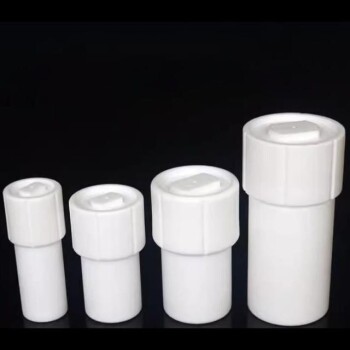
The Polytetrafluoroethylene (PTFE) liner is utilized for its exceptional resistance to chemical corrosion. It prevents the highly active metallic precursors or acidic/alkaline reagents from reacting with the stainless steel body of the autoclave, which would introduce impurities into the carbon substrate.
Thermal Stability and Insulation
PTFE maintains structural integrity at common hydrothermal temperatures, often ranging from 160°C to 220°C. This liner acts as a protective barrier, ensuring the longevity of the stainless steel outer shell while maintaining a clean environment for the synthesis of high-purity materials.
Preventing Vessel Contamination
Because cobalt species can be highly reactive, the PTFE liner ensures that no cross-contamination occurs between the reaction media and the metal walls of the vessel. This is critical for maintaining the specific electronic properties required in advanced carbon substrates.
Understanding the Trade-offs
Temperature Limitations
While PTFE is highly effective for chemical resistance, it has a clear thermal ceiling, typically around 250°C. Exceeding this temperature can lead to the deformation of the liner or the release of toxic vapors, limiting the range of high-heat hydrothermal processes.
Pressure Sensitivity
The seal of a PTFE-lined autoclave relies on the mechanical fit between the liner and the stainless steel cap. Frequent high-pressure cycles can lead to liner "creep" or deformation, which may eventually compromise the hermetic seal and lead to pressure leaks during the two-step synthesis.
How to Apply This to Your Project
Recommendations for Implementation
- If your primary focus is substrate flexibility: Prioritize the autoclave's ability to control diffusion depth to ensure the carbon fibers do not become brittle.
- If your primary focus is material purity: Ensure the PTFE liner is inspected for pitting or discoloration before each run to prevent iron contamination from the autoclave body.
- If your primary focus is uniform cobalt distribution: Optimize the solvent-to-substrate ratio within the autoclave to leverage the high-pressure solubility enhancements.
The use of a PTFE-lined high-pressure autoclave effectively bridges the gap between aggressive chemical deposition and the preservation of the carbon substrate's essential mechanical properties.
Summary Table:
| Component/Feature | Role in Co-Carbon Synthesis | Key Benefit |
|---|---|---|
| Hydrothermal Environment | Facilitates solvothermal reaction | Enables localized surface deposition |
| Pressure Control | Manages ion diffusion depth | Prevents metal embrittlement of fibers |
| PTFE Liner | Provides chemical inertness | Ensures high purity & prevents contamination |
| Thermal Energy | Drives nucleation and growth | Ensures uniform nanostructure distribution |
| Subcritical Solvents | Enhances precursor solubility | Accelerates reaction rate and uniformity |
Elevate your materials science research with KINTEK’s precision-engineered laboratory solutions. Our high-temperature high-pressure reactors and autoclaves are specifically designed to provide the stable hydrothermal environments necessary for delicate processes like cobalt-carbon synthesis, ensuring both chemical purity and structural integrity.
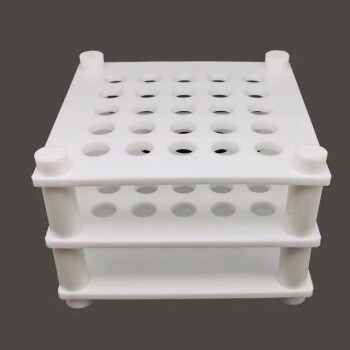
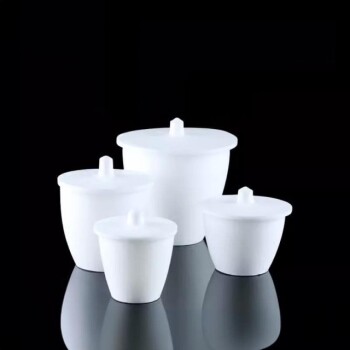
Beyond reactors, KINTEK offers a comprehensive range of equipment including high-temperature furnaces, hydraulic presses, battery research tools, and essential consumables like PTFE liners and crucibles. Contact us today to discover how our high-performance systems and expert support can enhance your lab's efficiency and research outcomes!
References
- Ye‐Eun Park, Sung Hoon Ahn. Tissue‐derived highly compressible anisotropic carbon aerogels with aligned fibrous matrices for solid‐state rechargeable zinc‐cobalt‐air hybrid batteries. DOI: 10.1002/eom2.12431
This article is also based on technical information from Kintek Solution Knowledge Base .
Related Products
- Laboratory High Pressure Horizontal Autoclave Steam Sterilizer for Lab Use
- Stainless High Pressure Autoclave Reactor Laboratory Pressure Reactor
- Portable High Pressure Laboratory Autoclave Steam Sterilizer for Lab Use
- Desktop Fast High Pressure Laboratory Autoclave Sterilizer 16L 24L for Lab Use
- Laboratory High Pressure Steam Sterilizer Vertical Autoclave for Lab Department
People Also Ask
- Why is a laboratory high-pressure autoclave sterilizer necessary? Ensure Accuracy in Antibacterial Research
- What is the role of a laboratory high-pressure autoclave in the conversion of furfural to piperidine? Optimize Yields
- What is the primary function of a laboratory autoclave in the pre-treatment of medical plastic waste for liquid fuel?
- What is an autoclave laboratory equipment? The Ultimate Guide to Steam Sterilization
- What is a laboratory autoclave? A Guide to Sterilization with Pressurized Steam