A high-temperature oil bath offers a precise working temperature range of +50°C to 260°C. This capability makes it the standard choice for laboratory applications that require thermal conditions exceeding the physical limitations of water-based systems.
Core Takeaway While standard water baths are physically limited to 100°C, a high-temperature oil bath extends your operational capacity significantly. By facilitating a range of +50°C to 260°C, it enables high-heat processes such as distillation and synthesis without the pressure requirements of an autoclave.
The Operational Capabilities
Surpassing the Boiling Point
The primary utility of this equipment lies in its upper limit. Because water boils at 100°C, it cannot be used for reactions requiring higher temperatures at atmospheric pressure.
The high-temperature oil bath allows you to push past this barrier, providing stable heating up to 260°C.
Versatility in the Lower Range
Despite its high-heat designation, the equipment remains effective for moderate thermal tasks.
Starting at +50°C, the bath can manage lower-temperature needs, allowing a single piece of equipment to serve multiple stages of a thermal process.
Operational Considerations and Trade-offs
Thermal Inertia and Safety
Operating at the upper limit of 260°C introduces significant safety considerations compared to water baths.
Oil retains heat much longer than water. This high thermal retention means the bath remains hazardous for an extended period even after the power is cut.
Media Compatibility
It is critical to remember that the equipment's range is only one part of the equation.
You must ensure the specific oil fluid you choose is chemically stable and rated for operation at 260°C. Using an oil with a lower flash point or smoke point than the bath's maximum capacity can lead to degradation or safety hazards.
Making the Right Choice for Your Goal
To determine if this specific range aligns with your laboratory needs, consider your thermal targets:
- If your primary focus is general incubation below 100°C: A standard water bath is likely safer, cleaner, and more cost-effective for your needs.
- If your primary focus is chemical synthesis or distillation above 100°C: You strictly require the high-temperature oil bath to safely access the +50°C to 260°C range.
Select the equipment that provides the necessary thermal headroom for your most demanding protocols.
Summary Table:
| Feature | Specification/Detail |
|---|---|
| Temperature Range | +50°C to 260°C |
| Heating Medium | Thermally stable oils (Silicone, Mineral, etc.) |
| Primary Applications | Distillation, chemical synthesis, high-heat incubation |
| Key Advantage | Operates safely above the 100°C boiling point of water |
| Safety Consideration | High thermal inertia; requires oil with appropriate flash point |
Elevate Your Laboratory Precision with KINTEK
When your research demands temperatures that push beyond the limits of standard water baths, KINTEK provides the high-performance solutions you need. We specialize in a comprehensive range of laboratory equipment designed for the most demanding thermal environments, including high-temperature furnaces, high-pressure reactors, and precision-engineered heating systems.
From high-temperature oil baths to advanced crushing, milling, and hydraulic press solutions, our goal is to empower your laboratory with durability and precision. Don't let equipment limitations stall your innovation.
Ready to upgrade your thermal processing capabilities? Contact KINTEK Today to Consult with Our Experts
Related Products
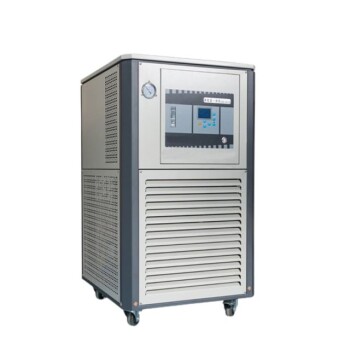
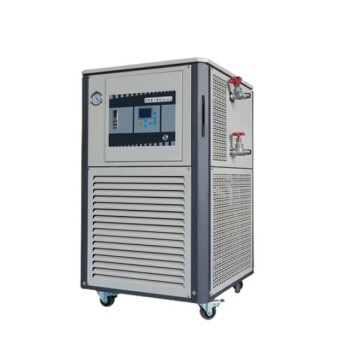
- High Temperature Constant Temperature Heating Circulator Water Bath Chiller Circulator for Reaction Bath
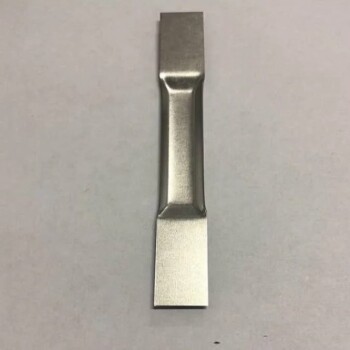
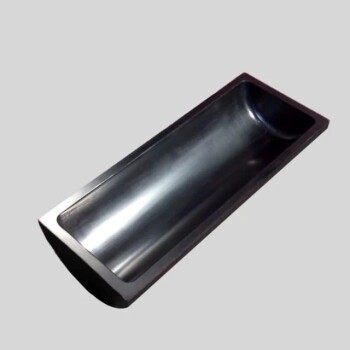
- Molybdenum Tungsten Tantalum Evaporation Boat for High Temperature Applications
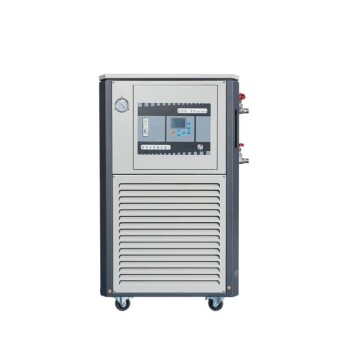
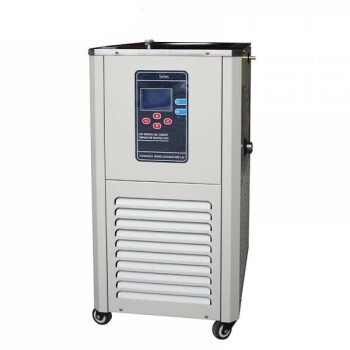
- 50L Heating Chilling Circulator Cooling Water Bath Circulator for High and Low Temperature Constant Temperature Reaction
- High Purity Pure Graphite Crucible for Evaporation
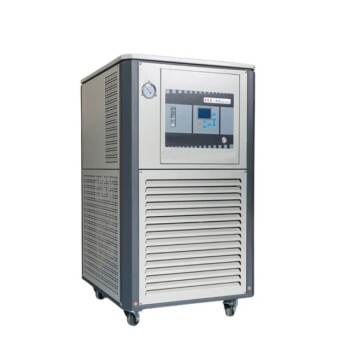
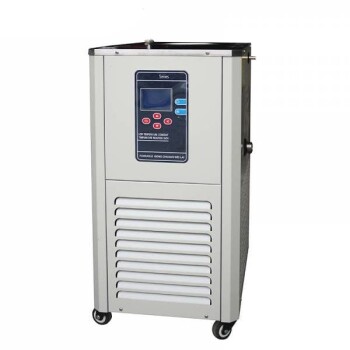
- 30L Heating Chilling Circulator Cooling Water Bath Circulator for High and Low Temperature Constant Temperature Reaction
People Also Ask
- What is the necessity of a circulating water bath in chlorate production? Optimize Yield & Purity with Precision
- How do constant temperature circulators impact weight-loss immersion tests? Ensure Precision in Corrosion Analysis
- How does a constant temperature circulator support the leaching reaction of gold scrap? Optimize Gold Recovery Results
- Why is a constant temperature water bath used for precursor storage in CVD? Achieve Stable Nanocrystalline SiC Deposition
- Why is a high-precision constant temperature water bath necessary for anaerobic digestion? Ensure Success at 37±0.02°C