The synergy between a crusher and a 200-mesh sieve transforms raw coal gangue into a reactive, uniform powder suitable for high-performance ceramic production. These tools are responsible for mechanical pulverization and classification screening, which establish the high specific surface area and consistent particle size distribution necessary for subsequent chemical activation and shaping. Without this precise preparation, the resulting ceramics would suffer from structural instability and poor thermal reactivity.
The crusher and 200-mesh sieve serve as the foundation of the material preparation phase, converting bulk waste into a standardized powder. This process ensures the material has the necessary surface area for efficient energy absorption and the uniformity required for defect-free sintering.
Mechanical Pulverization and Particle Reduction
The Primary Function of the Crusher
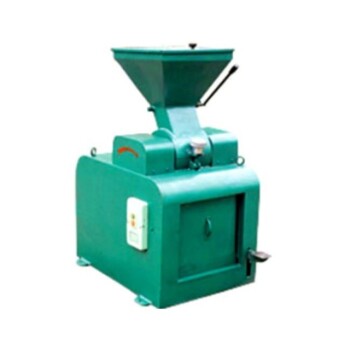
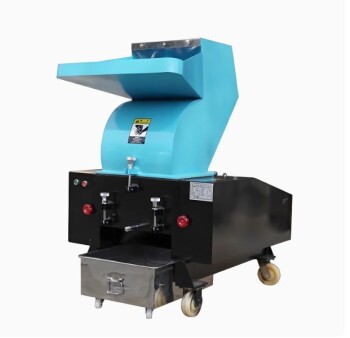
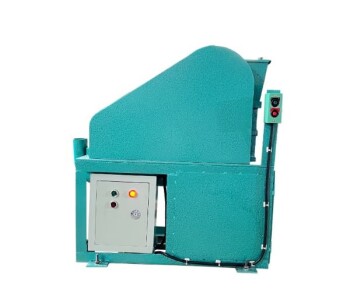
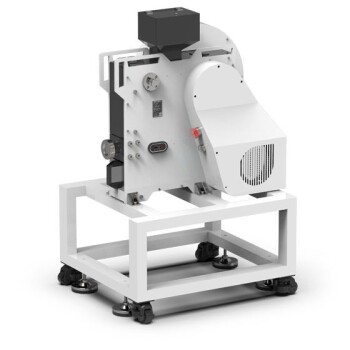
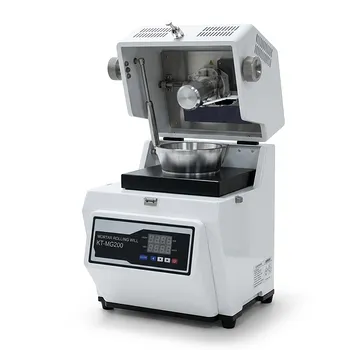
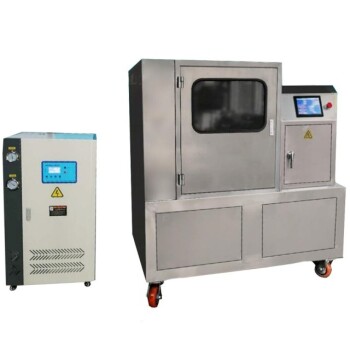
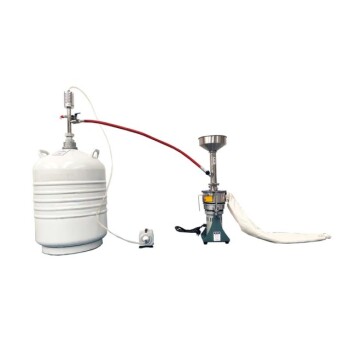
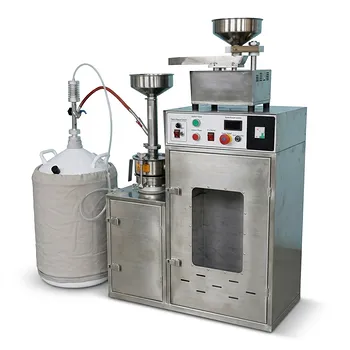
The crusher is the first line of processing, utilizing mechanical force to break down large, irregular coal gangue solid waste. This stage is essential for reducing bulk materials into a manageable form that can be further refined into a fine powder.
Establishing High Specific Surface Area
By pulverizing the gangue, the crusher exponentially increases the specific surface area of the raw material. A higher surface area is a prerequisite for effective energy absorption during the subsequent activation process, ensuring the material reacts predictably when heated.
Precision Classification Through Sieving
The Role of the 200-Mesh Sieve
The 200-mesh sieve acts as a classification tool that filters the pulverized gangue to ensure only particles within a specific size range proceed. This screening removes oversized particles and impurities that could compromise the ceramic’s internal structure.
Ensuring Uniform Particle Distribution
Consistency in particle size is critical for the uniformity of the raw material during the ceramic shaping stages. A standardized powder allows for even packing density in the "green body" (the unfired ceramic), which directly prevents warping or cracking during the final firing.
Breaking Down Agglomerates
Sieving also serves to break up agglomerated powders that may have clumped together after crushing. This ensures the powder maintains optimal flowability, which is essential for consistent molding and pressing in industrial ceramic manufacturing.
Understanding the Trade-offs
Energy Consumption vs. Particle Fineness
Increasing the fineness of the powder through extended crushing improves reactivity but significantly raises energy costs. Finding the balance between the optimal 200-mesh size and the energy required to reach it is a key operational challenge.
Sieve Blinding and Maintenance
Using a fine 200-mesh sieve carries the risk of sieve blinding, where particles become trapped in the mesh openings and reduce throughput. Frequent maintenance and the use of ultrasonic or mechanical vibrators are often required to maintain efficiency, adding complexity to the preparation line.
Over-Pulverization Risks
While fine powder is generally desirable, over-pulverization can lead to an excessive amount of "ultra-fines." These extremely small particles can cause issues with dust control and may lead to uneven shrinkage during the sintering process if not properly managed.
Applying This to Your Production Process
Selecting the Right Approach for Your Goal
Efficiency in the preparation phase depends on aligning your equipment settings with your final product requirements.
- If your primary focus is Maximum Reactivity: Prioritize the crusher's fine-grinding settings to maximize specific surface area for the activation phase.
- If your primary focus is Structural Integrity: Focus on the 200-mesh sieve's precision to ensure a narrow particle size distribution, which minimizes defects in the fired ceramic.
- If your primary focus is Production Throughput: Implement a multi-stage crushing and sieving circuit to prevent sieve blinding and maintain a steady flow of material.
By mastering the mechanical refinement of coal gangue, you turn a waste byproduct into a high-value engineering material with predictable and repeatable properties.
Summary Table:
| Equipment | Primary Function | Impact on Ceramic Quality |
|---|---|---|
| Crusher | Mechanical Pulverization | Increases specific surface area for better chemical activation and energy absorption. |
| 200-Mesh Sieve | Precision Classification | Ensures uniform particle distribution, breaking down agglomerates to prevent sintering cracks. |
Transform Your Material Research with KINTEK
Achieving the perfect particle size is the foundation of high-performance ceramic engineering. KINTEK provides specialized crushing and milling systems and high-precision sieving equipment to ensure your raw materials meet the most rigorous standards for reactivity and uniformity.
Beyond preparation, our comprehensive laboratory portfolio supports your entire workflow, including:
- High-Temperature Furnaces: Muffle, tube, and vacuum furnaces for defect-free sintering.
- Hydraulic Presses: Advanced pellet and isostatic presses for consistent green body shaping.
- Essential Consumables: High-purity ceramics, crucibles, and PTFE products.
Whether you are recycling industrial waste like coal gangue or developing next-generation porous materials, our team is ready to provide the reliable tools and technical support you need to succeed.
Contact KINTEK Experts Today to optimize your production process!
References
- Yansen Jia, Yongzhen Wang. Preparation of Coal Gangue-Based Porous Ceramics and Its Application on Pb2+ Cycling Adsorption. DOI: 10.3390/su151511879
This article is also based on technical information from Kintek Solution Knowledge Base .
Related Products
- Laboratory Sealed Hammer Crusher for Efficient Sample Preparation
- Powerful Plastic Crusher Machine
- Sealed Jaw Crusher High Efficiency Environmental Protection Safe and Reliable
- Laboratory Jaw Crusher
- Laboratory Grinding Mill Mortar Grinder for Sample Preparation
People Also Ask
- What role do laboratory crushers and standard sieves play in Datura stramonium pretreatment? Optimize Your HTL Yield
- What is the primary function of a laboratory crusher? Optimize Biomass & Coal Co-Gasification Efficiency
- What lab equipment would be use to crush or grind a substance? A Guide to Choosing the Right Tool
- What is the purpose of sample preparation? Ensure Accurate & Reliable Analytical Results
- What kind of material is a hammer mill used for? Process Brittle, Dry, and Crystalline Materials Efficiently