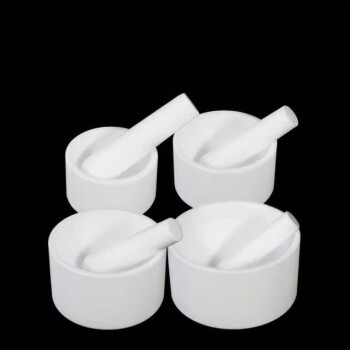
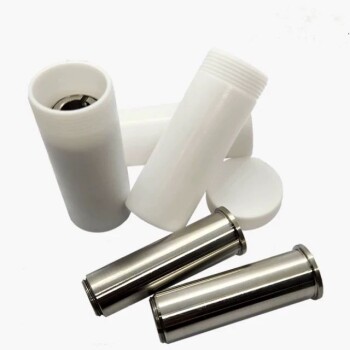
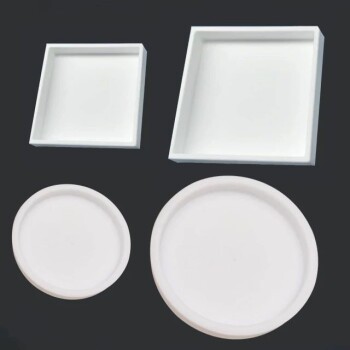
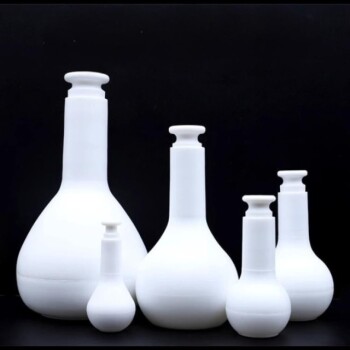
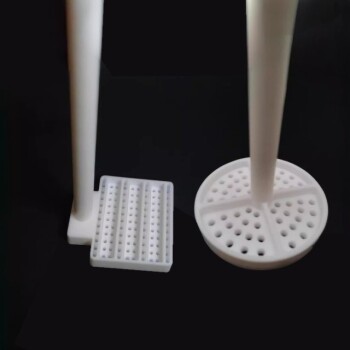
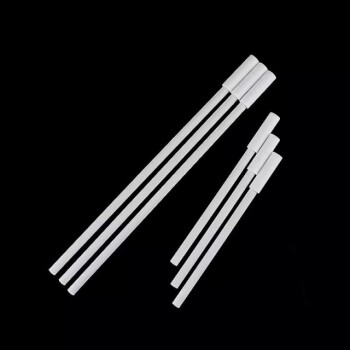
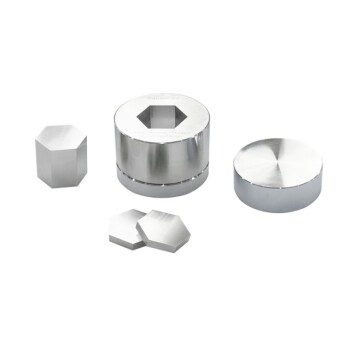
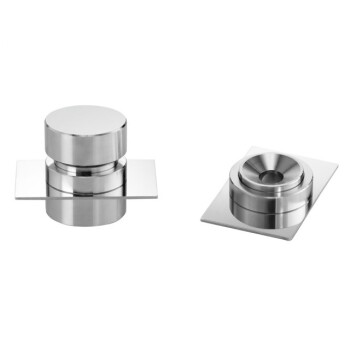
PTFE molds are the material of choice for dental resin composites because they combine exceptional chemical inertness with superior non-stick properties. They prevent the resin matrix from reacting with the mold during the light-curing process and ensure that samples can be removed without incurring mechanical damage.
The core value of Polytetrafluoroethylene (PTFE) is its ability to decouple the molding process from the specimen's structural integrity. By eliminating chemical adhesion, it guarantees that the extracted sample is a distinct, unaltered representation of the material being tested.
The Chemistry of Surface Integrity
Chemical Inertness
The primary requirement for preparing dental resin specimens is preventing contamination. PTFE is chemically inert, meaning it does not react with the resin matrix.
This is critical during the light-curing phase, where chemical activity is high. The mold ensures that the polymerization process remains contained within the resin, unaffected by the mold walls.
Low Surface Energy
While often described simply as "non-stick," the technical advantage of PTFE is its extremely low surface energy. This physical property prevents the resin from wetting or bonding to the mold surface.
Unlike other materials that might require a separate release agent (which could contaminate the sample), PTFE provides a natural, passive barrier against adhesion.
Ensuring Valid Test Results
Prevention of Mechanical Damage
The validity of mechanical testing relies on the specimen being free of defects. If a material adheres to the mold, the force required to remove it can introduce micro-cracks or surface flaws.
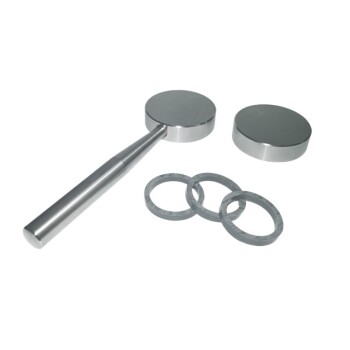
PTFE molds allow for smooth demolding of cylindrical or disc-shaped samples. This ensures the specimen emerges with its structural integrity fully intact.
Elimination of Stress Concentrations
Even minor surface imperfections can skew test data significantly. Adhesion to mold walls often results in rough surfaces or chipped edges upon removal.
These geometric defects act as stress concentrations—weak points where failure will occur prematurely under load. By ensuring a smooth release, PTFE molds help produce uniform samples that yield accurate mechanical data.
Understanding the Trade-offs
Durability vs. Release Properties
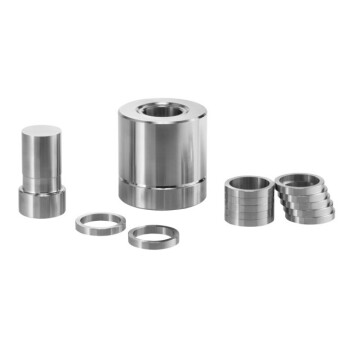
While PTFE excels at releasing samples, it is mechanically softer than metal alternatives like stainless steel.
Over time, PTFE molds may suffer from wear or slight deformation if handled roughly. Steel molds offer higher dimensional rigidity for long-term repeated use but typically require the application of release agents, which introduces a variable into the chemical composition of the specimen surface.
Making the Right Choice for Your Goal
To ensure your experimental setup yields valid data, consider the following recommendations:
- If your primary focus is surface purity: Choose PTFE molds to avoid the need for chemical release agents that could alter the resin's surface properties.
- If your primary focus is mechanical testing validity: Rely on PTFE to prevent micro-fractures and stress concentrations caused by forceful demolding.
By selecting the correct mold material, you ensure that your data reflects the properties of the dental resin, not the artifacts of the preparation process.
Summary Table:
| Feature | PTFE Mold Benefit | Impact on Dental Research |
|---|---|---|
| Chemical Inertness | Non-reactive with resin matrix | Prevents sample contamination during curing |
| Surface Energy | Extremely low (non-stick) | No need for release agents that alter surface chemistry |
| Demolding | Smooth, force-free removal | Eliminates micro-cracks and structural defects |
| Data Accuracy | Reduces stress concentrations | Ensures mechanical test results reflect true material properties |
Elevate Your Dental Research with KINTEK Precision
At KINTEK, we understand that valid data starts with superior sample preparation. Our premium PTFE molds and consumables are engineered to provide the chemical purity and mechanical integrity your dental resin studies demand. Beyond high-quality polymers, KINTEK specializes in a comprehensive range of laboratory solutions—from high-temperature furnaces and hydraulic pellet presses for material synthesis to ULT freezers and homogenizers for advanced processing.
Ready to eliminate variables and ensure the integrity of your specimens? Contact our laboratory specialists today to find the perfect tools for your research goals!
References
- Jaffar Hussain Bukhari, Muhammad Kaleem. Low-temperature flow-synthesis-assisted urethane-grafted zinc oxide-based dental composites: physical, mechanical, and antibacterial responses. DOI: 10.1007/s10856-021-06560-4
This article is also based on technical information from Kintek Solution Knowledge Base .
Related Products
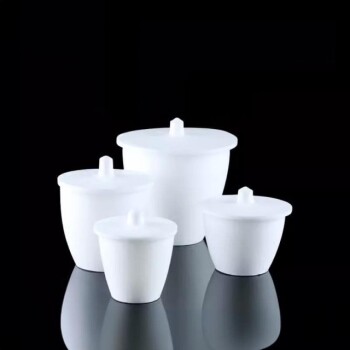
- Custom Machined and Molded PTFE Teflon Parts Manufacturer with PTFE Crucible and Lid
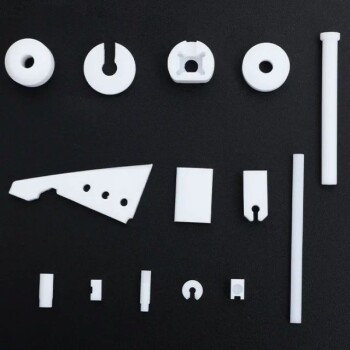
- Custom PTFE Teflon Parts Manufacturer for Non-Standard Insulator Customization
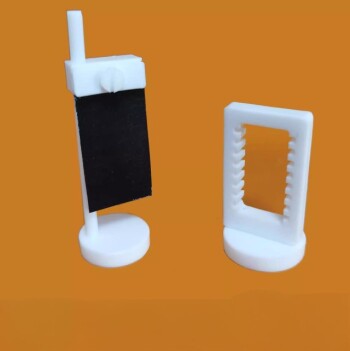
- Custom PTFE Teflon Parts Manufacturer for Hydrothermal Synthesis Reactor Polytetrafluoroethylene Carbon Paper and Carbon Cloth Nano-growth
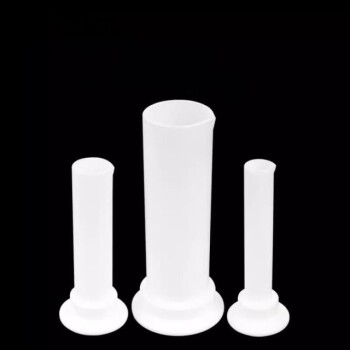
- Custom PTFE Teflon Parts Manufacturer for PTFE Measuring Cylinder 10/50/100ml
- Custom PTFE Teflon Parts Manufacturer Grinding Bowl
People Also Ask
- Why is a PTFE crucible preferred for plasma etching? Ensure Chemical Integrity and Targeted Action
- What essential consumables are required for laboratory processes? Expert Guide to PTFE, Ceramics, and Crucibles
- What are the advantages of using PTFE molds for preparing PUA hybrid films? Ensure High Purity and Easy Demolding
- What advantages do PTFE molds offer for composite polymer electrolyte casting? Ensure Defect-Free Membrane Fabrication
- Why are PTFE or high-quality steel molds recommended for geopolymer specimens? Ensure Data Integrity and Easy Release