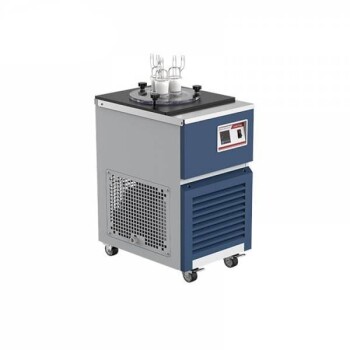
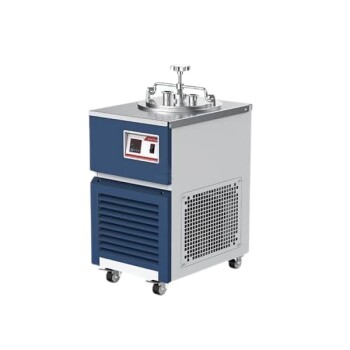
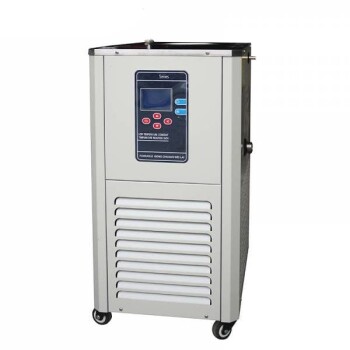
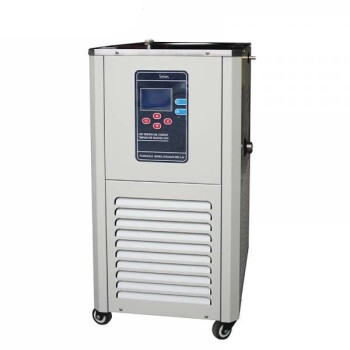
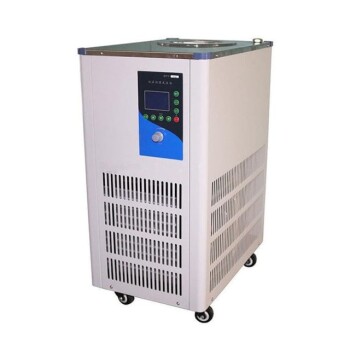
Precise temperature regulation is the fundamental requirement for successful natural gas hydrate synthesis. A high-precision chiller serves as the stabilizing force of the experiment, circulating cooling fluids through the reactor’s jacket to maintain the exact thermal conditions necessary for hydrate formation. Without this component, the specific environmental conditions required to create and sustain hydrates cannot be achieved.
Natural gas hydrates exist in a state of fragile equilibrium that is highly sensitive to thermal fluctuations. A high-precision chiller is essential because it allows researchers to rigorously simulate deep-sea and permafrost environments, ensuring the hydrates do not dissociate during the synthesis process.
The Role of Thermal Stability in Synthesis
Simulating Extreme Environments
Natural gas hydrates do not form under standard ambient conditions. To synthesize them in a lab, you must replicate the high-pressure, low-temperature environments found in nature.
The primary goal is to simulate deep-sea environments or permafrost conditions. A high-precision chiller allows the reactor to mimic these specific thermal profiles, creating the "stability regions" where hydrates naturally exist.
The Mechanism of Control
The chiller regulates temperature by circulating a specific cooling fluid around the reactor. This fluid is typically a solution of ethylene glycol and water.
The fluid flows through the reactor’s cooling jacket, a shell surrounding the main vessel. This creates a thermal barrier that extracts heat generated during the reaction or maintains the low temperatures required for nucleation.
The Critical Temperature Range
The operational window for these experiments is narrow. Most natural gas hydrate research focuses on a temperature range between 0°C and 19°C.
The chiller must be capable of holding temperatures within this range with minimal deviation. Even a slight increase in temperature can move the system out of the hydrate stability zone, causing the solid hydrate to revert to gas and water.
Understanding Operational Trade-offs
The Risk of Thermal Gradients
While a chiller controls the jacket temperature, it does not guarantee uniform temperature inside the reactor.
If the reactor is large, there may be a thermal gradient between the wall (cooled by the jacket) and the center of the sample. This can lead to inconsistent hydrate formation rates across the sample volume.
Dependence on Fluid Integrity
The performance of the chiller is strictly tied to the quality of the circulating fluid.
Over time, the ethylene glycol solution can degrade or become contaminated. This changes its specific heat capacity, potentially reducing the chiller's ability to maintain precise temperature control during critical phases of the experiment.
Ensuring Experimental Success
To maximize the effectiveness of your hydrate synthesis setup, consider your specific experimental goals.
- If your primary focus is deep-sea simulation: Ensure your chiller has a high cooling capacity to maintain the lower end of the 0°C–19°C spectrum against ambient heat gain.
- If your primary focus is kinetic studies: Prioritize a chiller with rapid response times to quickly stabilize temperatures after the initial exothermic formation reaction.
Success in hydrate research is ultimately defined by your ability to maintain absolute thermal control.
Summary Table:
| Feature | Specification/Detail | Importance in Hydrate Synthesis |
|---|---|---|
| Primary Function | Circulates cooling fluid through reactor jackets | Maintains precise thermal stability regions |
| Target Environments | Deep-sea and permafrost simulation | Replicates high-pressure, low-temperature states |
| Operating Range | Typically 0°C to 19°C | Prevents hydrate dissociation into gas and water |
| Cooling Medium | Ethylene glycol and water solution | High heat-exchange efficiency for nucleation |
| Control Focus | Rapid response and low deviation | Manages exothermic heat during formation |
Elevate Your Research Precision with KINTEK
Success in natural gas hydrate synthesis depends on uncompromising thermal control. At KINTEK, we specialize in providing high-performance laboratory equipment tailored for extreme research environments. From high-precision cooling solutions and ULT freezers to our robust high-temperature high-pressure reactors and autoclaves, we offer the integrated systems needed to simulate deep-sea and permafrost conditions accurately.
Whether you are performing kinetic studies or environmental modeling, our comprehensive portfolio—including crushing and milling systems, hydraulic presses, and specialized ceramics—ensures your lab is equipped for excellence.
Ready to optimize your hydrate synthesis setup? Contact KINTEK today to discuss how our cooling solutions and reactor technologies can enhance your experimental accuracy and efficiency.
References
- Luiz Frederico Rodrigues, Rogério V. Lourega. High-Pressure and Automatized System for Study of Natural Gas Hydrates. DOI: 10.3390/en12163064
This article is also based on technical information from Kintek Solution Knowledge Base .
Related Products
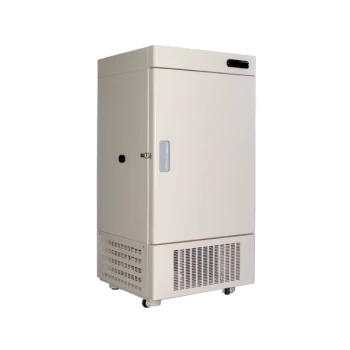
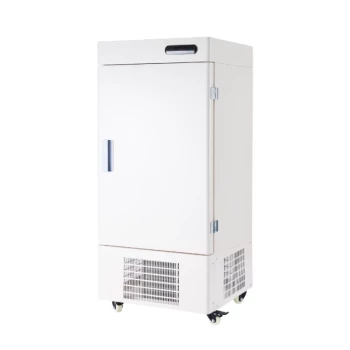
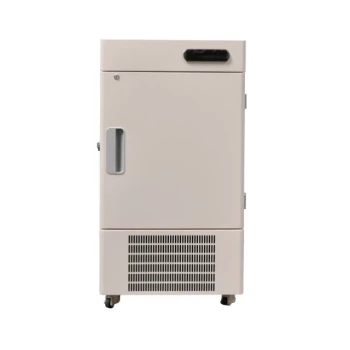
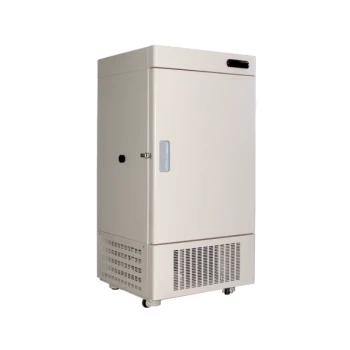
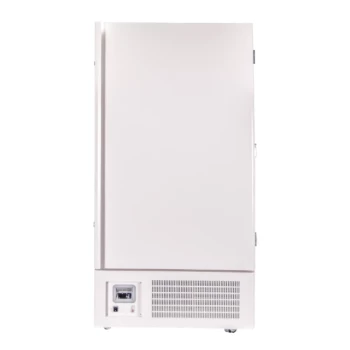
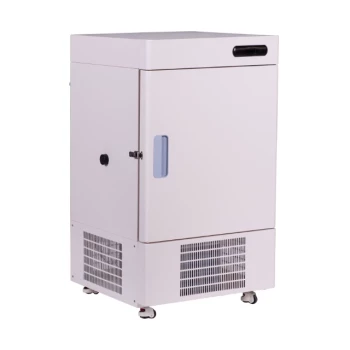
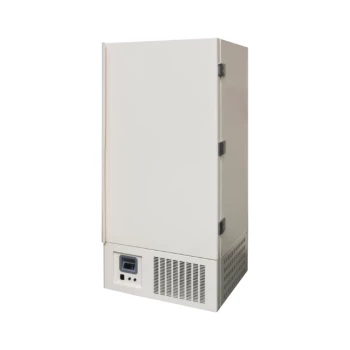
- 208L Advanced Precision Laboratory Ultra Low Temperature Freezer for Cold Storage
- 158L Precision Vertical Ultra Low Freezer for Laboratory Applications
- 58L Precision Laboratory Ultra Low Temperature Upright Freezer for Critical Sample Storage
- 308L Precision Ultra Low Temperature Freezer for Laboratory Applications
- 708L Ultra Low Temperature Freezer High Performance Laboratory Freezer
People Also Ask
- What are the common applications of ultra-low temperature freezers? Preserve Your Most Valuable Samples
- What are the different types of ultra-low temperature freezers available? Choose the Right ULT Freezer for Your Lab
- What are some key features of ultra-low temperature freezers? Essential Guide to Reliable Sample Storage
- Have other labs successfully stored samples at -70°C? Proven Long-Term Preservation for Biological Materials
- How are ultra low temperature freezers used in pharmaceutical storage? Protect Your High-Value Biologics & Vaccines