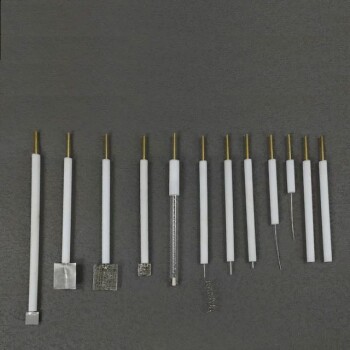
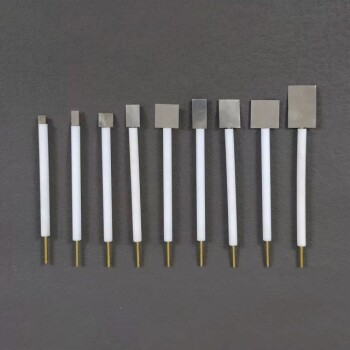
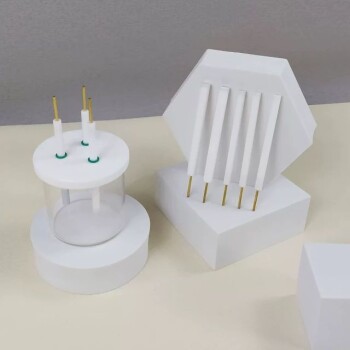
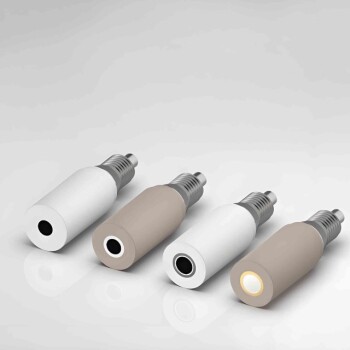
Platinum (Pt) sheets are the standard choice for counter electrodes because they provide a highly conductive, chemically inert surface that facilitates charge balance without interfering with the experimental reaction. This ensures that all measured electrochemical signals originate solely from the research subject on the working electrode, preventing contamination or polarization shifts that would compromise the reliability of the data.
The primary role of a platinum counter electrode is to complete the electrical circuit while remaining "chemically invisible" to the system. Its combination of superior electrical conductivity and extreme chemical stability allows it to carry the full experimental current without dissolving or participating in side reactions.
The Role of Chemical Inertness and Stability
Preventing Electrolyte Contamination
Platinum is a noble metal, meaning it does not oxidize or dissolve within a wide range of electrochemical potentials. This is particularly critical in harsh environments, such as 0.5 M NaOH or 6 M KOH, where other metals would leach ions into the solution.
By remaining stable, a Pt sheet ensures that no impurity ions are introduced into the electrolyte. This maintains the purity of the environment and prevents foreign species from depositing onto the working electrode.
Ensuring Signal Integrity
Because the Pt sheet does not participate in chemical reactions, it acts as a passive carrier for charge exchange. This ensures that the current measured by the potentiostat is a direct reflection of the processes occurring at the working electrode.
If the counter electrode were to dissolve or react, the resulting signals would be a mixture of the research subject and the electrode's own degradation. Platinum eliminates this variable, providing a clean baseline for kinetic data and polarization curves.
Optimizing Electrical and Kinetic Performance
Maximizing Surface Area for Charge Balance
A Pt sheet is often preferred over a wire because the "sheet" geometry provides a sufficient surface area. This area is necessary to balance the charge exchange occurring at the working electrode without becoming a bottleneck for the current.
A larger surface area reduces the current density at the counter electrode. This helps maintain an unobstructed current loop, which is essential for studying high-surface-area materials like carbon cryogels or graphene-coated electrodes.
High Catalytic Activity and Low Overpotential
Platinum possesses exceptional catalytic activity, particularly for the Hydrogen Evolution Reaction (HER). This allows it to receive electrons and complete the circuit with very low overpotential.
By minimizing the energy required for the counter-reaction, the system ensures that the measured potential primarily reflects the behavior of the working electrode. This is vital for accurately capturing the photogenerated charge carrier behavior or the oxygen evolution kinetics of new catalysts.
Protecting the Three-Electrode Architecture
Safeguarding the Reference Electrode
In a three-electrode system, the counter electrode is designed to carry the experimental current so that the reference electrode does not. This prevents the reference electrode from undergoing potential polarization.
By handling the current load efficiently, the Pt counter electrode ensures the potential stability of the entire measurement system. This allows for the precise control and measurement of the working electrode's potential.
Maintaining Charge Neutrality
As reactions occur at the working electrode, the counter electrode must perform an equal and opposite reaction to maintain charge balance in the electrolyte. The high conductivity of platinum allows this exchange to happen rapidly and efficiently.
This rapid response is critical during impedance data acquisition and high-speed cyclic voltammetry. It ensures the system remains in equilibrium throughout the duration of the test.
Understanding the Trade-offs
Material Cost and Accessibility
The primary downside of using platinum is its high cost as a precious metal. While it is highly reusable due to its inertness, the initial investment for large sheets or meshes can be significant for a laboratory.
Potential for Platinum Dissolution
While generally inert, platinum can undergo slight dissolution under extreme conditions or specific pulsing potential regimes. In very sensitive experiments, trace amounts of platinum could theoretically migrate and deposit onto the working electrode, a phenomenon known as Pt crossover.
How to Apply This to Your Project
Making the Right Choice for Your Goal
- If your primary focus is standard aqueous characterization: Use a standard Pt sheet or mesh to ensure maximum stability and a clean signal in alkaline or acidic media.
- If your primary focus is minimizing cell resistance: Select a Pt mesh rather than a solid sheet to increase the effective surface area and lower the charge transfer resistance.
- If your primary focus is avoiding "Pt crossover" in sensitive catalyst studies: Consider using a carbon-based counter electrode (like graphite or glassy carbon) if you suspect trace platinum might interfere with your specific working electrode reaction.
By utilizing a platinum sheet, you ensure that your electrochemical measurements are a true reflection of your material's performance rather than an artifact of the testing environment.
Summary Table:
| Key Feature | Functional Benefit | Impact on Electrochemical Data |
|---|---|---|
| Chemical Inertness | Prevents ion leaching and contamination | Ensures signal purity and baseline stability |
| High Conductivity | Facilitates rapid charge exchange | Maintains system equilibrium and charge neutrality |
| Large Surface Area | Reduces current density at the electrode | Prevents current bottlenecks during high-load tests |
| Catalytic Activity | Lowers overpotential for counter-reactions | Minimizes interference with working electrode signals |
| Physical Stability | Resists oxidation in harsh electrolytes | Provides a reusable and long-lasting lab solution |
Elevate Your Electrochemical Precision with KINTEK
Ensure the integrity of your research with high-performance laboratory equipment from KINTEK. We specialize in providing the tools necessary for precise electrochemical measurements, including premium Platinum (Pt) electrodes, high-quality electrolytic cells, and specialized battery research consumables.
Our comprehensive portfolio is designed to support every stage of your material science and chemistry projects:
- Electrode Solutions: Platinum sheets/meshes, glassy carbon, and high-stability reference electrodes.
- Advanced Furnaces: Muffle, tube, vacuum, CVD, and PECVD systems for material synthesis.
- Sample Preparation: Precision hydraulic presses, crushing and milling systems, and sieving equipment.
- Laboratory Essentials: High-pressure reactors, autoclaves, and high-purity ceramic crucibles.
Don't let equipment artifacts compromise your results. Contact KINTEK today to discuss your specific requirements and discover how our specialized laboratory solutions can drive your next breakthrough!
References
- Amna A. Kotp, Abeer Enaiet Allah. Evaluating the electrocatalytic activity of flower-like Co-MOF/CNT nanocomposites for methanol oxidation in basic electrolytes. DOI: 10.1039/d3ra05105f
This article is also based on technical information from Kintek Solution Knowledge Base .
Related Products
- Platinum Auxiliary Electrode for Laboratory Use
- Platinum Sheet Electrode for Laboratory and Industrial Applications
- Rotating Platinum Disk Electrode for Electrochemical Applications
- Platinum Sheet Electrode for Battery Lab Applications
- RRDE rotating disk (ring disk) electrode / compatible with PINE, Japanese ALS, Swiss Metrohm glassy carbon platinum
People Also Ask
- What is the function of a platinum electrode as an auxiliary electrode? Ensure Precise Nickel Coating Corrosion Testing
- Why is platinum typically selected as the auxiliary electrode for electrochemical testing of oxazoline inhibitors?
- What does the auxiliary electrode do? Ensuring Accurate Electrochemical Measurements
- What are the roles of Pt counter and reference electrodes in nitrided steel testing? Optimize Your Electrochemical Data
- What are the advantages of using a platinum counter electrode? Ensure Purity in Photocatalytic Coating Deposition