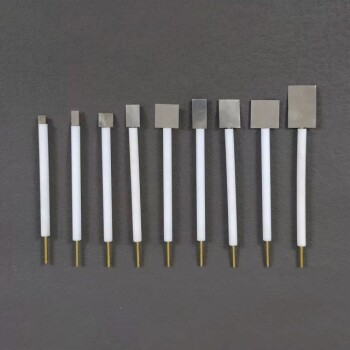
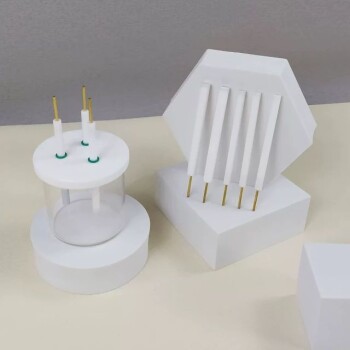
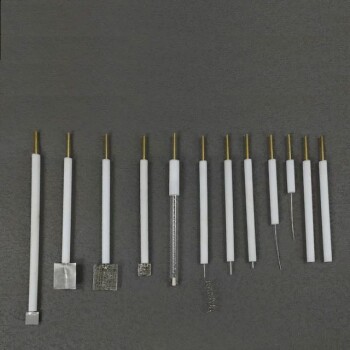
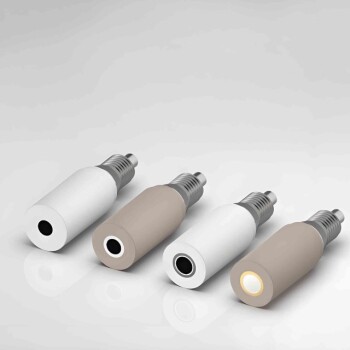
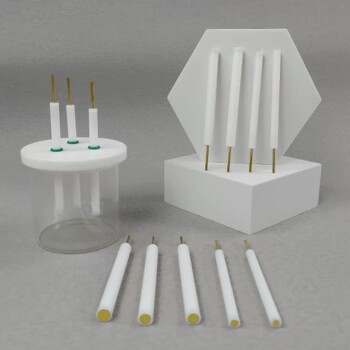
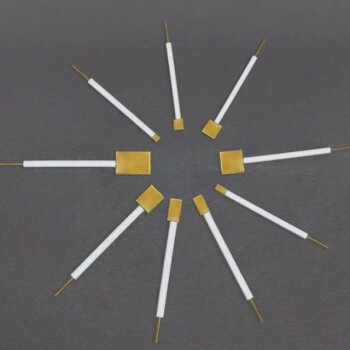
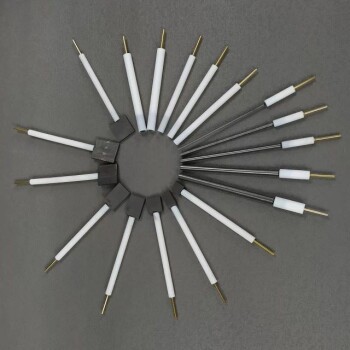
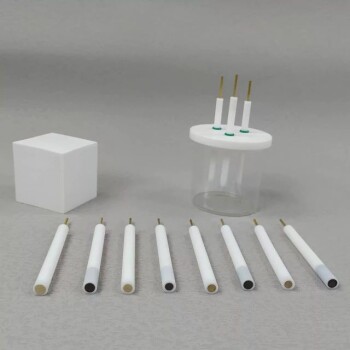
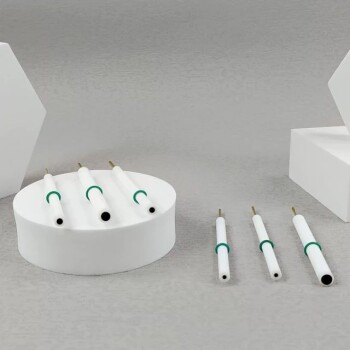
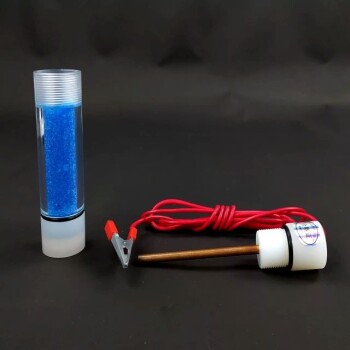
The primary advantages of using a platinum electrode as a counter electrode are its exceptional chemical inertness and superior electrical conductivity. These properties allow it to facilitate significant current flow and complete the electrical circuit without reacting with the electrolyte or the 304L stainless steel, ensuring that the data collected reflects only the properties of the sample.
Core Takeaway In electrochemical testing, the reliability of your data depends on the stability of your equipment. Platinum acts as an invisible facilitator, permitting the necessary electron transfer for Polarization and EIS testing while refusing to participate in the chemical reactions itself, thereby preserving the purity of the testing environment.
Ensuring Chemical Stability and Purity
Unwavering Chemical Inertness
The most critical attribute of platinum in this context is its resistance to oxidation and reduction. Unlike other metals, platinum does not undergo self-dissolution, even when subjected to the wide potential ranges typical of polarization scans.
Preventing Electrolyte Contamination
Because platinum does not dissolve, it prevents metal ions from entering the electrolyte solution. In research involving 304L stainless steel, preventing foreign ions (contamination) is vital to maintaining a pure testing environment and ensuring accurate corrosion data.
Reliability in Aggressive Environments
304L stainless steel research often requires testing in corrosive media, such as 3% NaCl solutions or even high-temperature environments. Platinum maintains its stability in these aggressive conditions, ensuring the counter electrode does not degrade during the experiment.
Optimizing Electrical Performance
Superior Conductivity
Platinum offers excellent electrical conductivity, which is essential for acting as a medium for electron transfer. This facilitates the passage of significant currents required during polarization tests without creating unnecessary resistance in the setup.
Reducing Polarization Resistance
To ensure accuracy, the counter electrode must not be the limiting factor in the circuit. Using a platinum electrode with a large surface area (such as a plate or mesh) effectively reduces polarization resistance at the auxiliary site, ensuring smooth current transmission.
Accurate Current Measurement
By serving as a stable component of the current loop, platinum allows for the precise measurement of the current flowing through the working electrode. This ensures that the signals recorded during Electrochemical Impedance Spectroscopy (EIS) or voltammetry are attributed solely to the stainless steel's response, not interference from the counter electrode.
Understanding the Operational Requirements
The Necessity of Surface Area
While platinum is conductive, the geometry of the electrode matters significantly. Supplementary data indicates that a platinum plate or mesh is often preferred over simple wire to provide a sufficiently large surface area.
Avoiding Circuit Bottlenecks
If the surface area of the platinum counter electrode is too small relative to the working electrode, it can impede current flow. This can introduce errors in the polarization curve measurements, making the physical configuration of the platinum just as important as the material itself.
Making the Right Choice for Your Goal
To maximize the quality of your 304L stainless steel research, align your electrode configuration with your specific testing objectives:
- If your primary focus is High-Precision EIS: Ensure your platinum electrode has a surface area significantly larger than your sample to eliminate polarization resistance artifacts.
- If your primary focus is Corrosion Studies in Aggressive Media: Rely on platinum’s chemical inertness to prevent dissolution products from altering the chemistry of your electrolyte (e.g., chloride solutions).
By selecting a platinum electrode, you eliminate the counter electrode as a variable, securing the integrity of your electrochemical data.
Summary Table:
| Feature | Advantage for 304L Research | Impact on Data Accuracy |
|---|---|---|
| Chemical Inertness | Prevents electrode dissolution in corrosive media | Eliminates electrolyte contamination |
| High Conductivity | Facilitates seamless electron transfer | Reduces measurement resistance and noise |
| Surface Geometry | Options like mesh or plate maximize area | Minimizes polarization resistance artifacts |
| Material Stability | Resists oxidation/reduction across potential ranges | Ensures long-term repeatability of tests |
Elevate Your Electrochemical Research with KINTEK
Precision in 304L stainless steel analysis and battery research begins with high-quality components. At KINTEK, we specialize in providing laboratory excellence—from high-performance electrolytic cells and platinum electrodes to advanced potentiostat-compatible accessories and battery research tools.
Whether you are conducting high-precision EIS or corrosion studies in aggressive media, our comprehensive range of high-temperature furnaces, autoclaves, and specialized consumables ensures your testing environment remains pure and your results reliable. Don't let equipment variables compromise your data.
Contact KINTEK Today to Upgrade Your Lab Setup
References
- Hong Luo, Xuequn Cheng. Electrochemical Behaviour and Surface Analytical of Welded Stainless Steel in the Room Temperature Simulated PWR Water. DOI: 10.2355/isijinternational.52.2266
This article is also based on technical information from Kintek Solution Knowledge Base .
Related Products
- Platinum Sheet Electrode for Laboratory and Industrial Applications
- Platinum Sheet Electrode for Battery Lab Applications
- Rotating Platinum Disk Electrode for Electrochemical Applications
- Platinum Auxiliary Electrode for Laboratory Use
- RRDE rotating disk (ring disk) electrode / compatible with PINE, Japanese ALS, Swiss Metrohm glassy carbon platinum
People Also Ask
- What is a common use for a platinum sheet electrode? As a Reliable Counter Electrode in Electrochemical Cells
- What is the most critical guideline for immersing a platinum sheet electrode in an electrolyte? Ensure Accurate Electrochemical Measurements
- What is the purity of the platinum sheet in a platinum sheet electrode? The Key to Reliable Electrochemical Data
- What is the expected lifespan of a platinum sheet electrode? Maximize Your Electrode's Service Life
- What are the available specifications for platinum sheet electrodes? Find the Perfect Fit for Your Electrochemical Needs