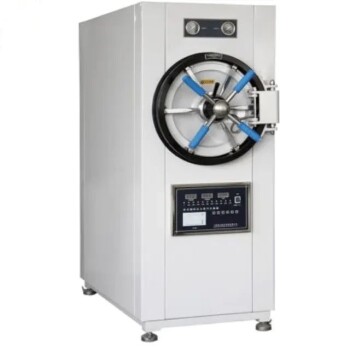
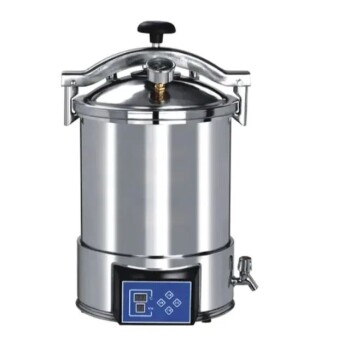
A PTFE-lined laboratory autoclave is the indispensable vessel for synthesizing Carbon Quantum Dots (CQDs) because it simultaneously creates a high-energy reaction environment and guarantees chemical purity. This equipment allows aqueous solutions to be heated well beyond their boiling points to drive complex molecular changes, while the liner acts as a critical barrier to prevent the stainless steel shell from contaminating your nanomaterials.
Core Insight The hydrothermal synthesis of CQDs relies on a "pressure cooker" effect to force the dehydration and polycondensation of precursors like glucose. The PTFE lining is the non-negotiable component that enables these harsh conditions while preventing corrosion and keeping your carbon dots free of metallic impurities.
The Mechanics of Hydrothermal Synthesis
Creating a High-Pressure Environment
To synthesize CQDs, you typically use a hydrothermal method. This involves heating an aqueous solution inside a sealed vessel.
Because the autoclave is sealed, the pressure rises significantly as the temperature increases. This allows liquid water to exist at temperatures far above 100°C, creating a high-energy environment that standard glassware cannot support.
Facilitating Dehydration and Polycondensation
The primary reference notes that the precursors, such as glucose, must undergo specific chemical transformations.
Specifically, the high temperature and pressure drive dehydration (removing water molecules) and polycondensation (linking molecules together). These steps are essential for converting simple sugar molecules into the complex carbon structures that form Quantum Dots.
The Critical Role of the PTFE Lining
Ensuring Chemical Inertness
The stainless steel shell of an autoclave provides the structural strength to hold pressure, but it is chemically reactive.
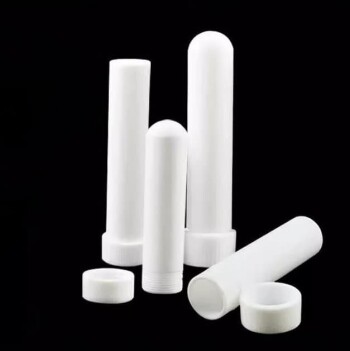
A Polytetrafluoroethylene (PTFE) lining creates a complete barrier between the solution and the metal. PTFE is chemically inert, meaning it will not react with the precursor solution, even under aggressive heat and pressure.
Preventing Metal Contamination
Purity is paramount in nanomaterial synthesis. Even trace amounts of metal ions leaching from a steel vessel can alter the optical properties of CQDs.
The PTFE lining ensures that the reaction solution never touches the metal shell. This eliminates the introduction of metal impurities, ensuring that the fluorescence you observe comes from the Carbon Dots, not contaminants.
Avoiding Reactor Corrosion
Many synthesis protocols involve acidic or basic conditions to tune the properties of the dots.
Without the liner, these harsh solutions would rapidly corrode the stainless steel autoclave. The PTFE lining protects the expensive hardware, extending the lifespan of your laboratory equipment.
Understanding the Trade-offs
Temperature Limitations of PTFE
While PTFE is excellent for chemical resistance, it has thermal limits.
Most PTFE liners effectively handle temperatures up to approximately 200°C to 220°C. If your synthesis requires temperatures higher than this, the liner may deform or release toxic gases. For ultra-high temperature reactions, a PPL (polyphenylene) liner is often required instead.
Safety and Filling Ratios
The sealed nature of the autoclave creates a safety hazard if mishandled.
Because the liquid expands and pressure builds rapidly, you must never fill the PTFE liner to the brim. A general rule of thumb is to fill the vessel to a maximum of 60-80% capacity to leave headspace for expansion and prevent dangerous over-pressurization.
Making the Right Choice for Your Goal
- If your primary focus is Optical Purity: Use a pristine, well-cleaned PTFE liner to ensure absolutely zero metal ion contamination interferes with fluorescence.
- If your primary focus is Equipment Longevity: Ensure the liner is inspected regularly for micro-cracks or deformation to prevent corrosive vapors from reaching the steel shell.
The PTFE-lined autoclave is not just a container; it is an active participant in maintaining the delicate balance between the high energy required to form CQDs and the strict purity required to make them useful.
Summary Table:
| Feature | Importance in CQD Synthesis | Benefit to Research |
|---|---|---|
| High Pressure Capability | Allows aqueous solutions to exceed 100°C | Facilitates dehydration and polycondensation |
| PTFE Chemical Inertness | Prevents reaction between precursors and vessel | Ensures maximum chemical purity of nanomaterials |
| Contamination Barrier | Blocks metal ions from the steel shell | Maintains consistent optical and fluorescent properties |
| Corrosion Resistance | Protects steel from acidic/basic precursors | Extends laboratory equipment lifespan |
| Temperature Limit | Typically safe up to 200°C - 220°C | Ideal for most hydrothermal glucose-based methods |
Elevate Your Nanomaterial Synthesis with KINTEK
Precision matters in Carbon Quantum Dot research. At KINTEK, we specialize in high-performance laboratory equipment designed to meet the rigorous demands of hydrothermal synthesis. From our robust high-temperature high-pressure reactors and autoclaves with premium PTFE or PPL liners to our precision crushing and milling systems and PTFE consumables, we provide the tools you need for uncontaminated, repeatable results.
Ready to optimize your lab's efficiency and ensure the purity of your CQDs? Contact KINTEK today to find the perfect autoclave solution for your research!
References
- Bishal Kumar Nahak, Fan‐Gang Tseng. Synergistic enhancement of seawater hydrogen generation <i>via</i> sulfur vacancy enriched and phases engineered CQD loaded CdS photocatalyst. DOI: 10.1039/d3ma00741c
This article is also based on technical information from Kintek Solution Knowledge Base .
Related Products
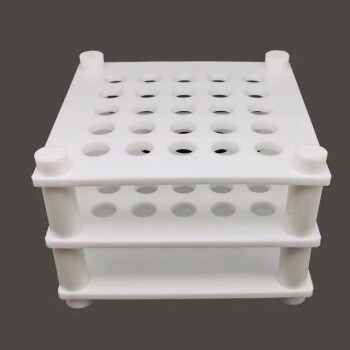
- Custom PTFE Teflon Parts Manufacturer for Centrifuge Tube Racks
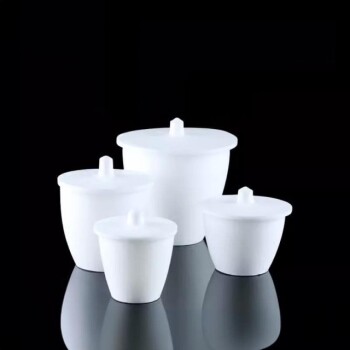
- Custom Machined and Molded PTFE Teflon Parts Manufacturer with PTFE Crucible and Lid
- Custom PTFE Teflon Parts Manufacturer for Hollow Cleaning Basket and Rack Carrier
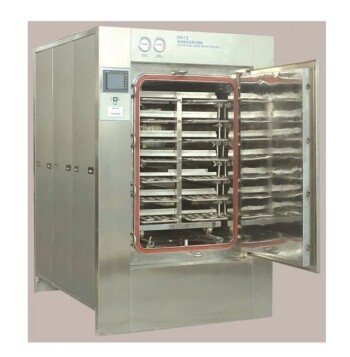
- Laboratory High Pressure Steam Sterilizer Vertical Autoclave for Lab Department
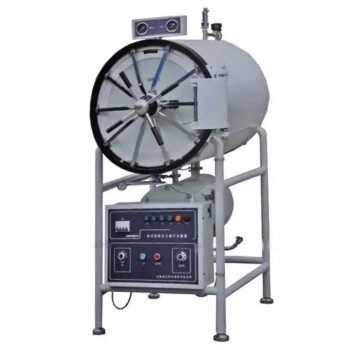
- Laboratory High Pressure Horizontal Autoclave Steam Sterilizer for Lab Use
People Also Ask
- Why is slender PTFE tubing necessary for flow control in multi-channel catalyst aging? Ensure Equal Gas Distribution
- Why are PTFE containers required for PCT leaching tests? Ensure Chemical Inertness and Analytical Precision
- Why are PTFE containers necessary for selective HF etching of MAX phases? Ensure Safe & Pure MXene Synthesis
- What role do PTFE containers play in trace metal detection? Ensure Analytical Precision in Photocatalysis Studies
- Why is a PTFE container required for acid leaching of silicon nanosheets? Ensure High Purity and Safety