Purity and pressure are the defining factors. A Teflon-lined high-pressure autoclave is strictly required because it isolates the corrosive, acidic precursor solution from the metallic vessel while simultaneously maintaining the sealed environment needed for hydrothermal synthesis. Without the Teflon lining, the acid would corrode the reactor; without the high-pressure seal, the necessary chemical hydrolysis at 150 °C would not occur efficiently.
The Teflon lining acts as a critical barrier against acid corrosion to ensure catalyst purity, while the sealed autoclave generates the autogenous pressure necessary to drive the chemical synthesis.
The Role of Material Compatibility
Resisting Acidic Corrosion
The synthesis of Mo-Ti-N catalyst precursors involves a strongly acidic solution.
If placed directly into a standard metallic vessel, this acid would aggressively attack the container's body. The polytetrafluoroethylene (PTFE/Teflon) lining provides exceptional chemical inertness, creating a protective shield that effectively resists this corrosion.
Preventing Catalyst Contamination
The integrity of the catalyst is paramount.
If the acidic solution were to corrode the metallic body of the autoclave, metal ions from the vessel would leach into the solution. The Teflon lining ensures the reaction environment remains pristine, guaranteeing the final catalyst is free from external metal ion contamination.
The Mechanics of Hydrothermal Synthesis
Generating Autogenous Pressure
The process relies on a sealed, high-pressure environment known as hydrothermal synthesis.
When the reactor is heated to 150 °C, the liquid inside creates autogenous pressure (pressure generated by the substance itself within a closed volume). A standard open-air beaker cannot achieve this state, making the sealed autoclave indispensable.
Accelerating Chemical Reactions
Pressure serves as a catalyst for the physical process.
The high pressure within the reactor accelerates the hydrolysis of the metal salts. This forces a more efficient and rapid interaction between the chemicals and the carrier surface, facilitating the formation of the desired precursor structure.
Understanding the Operational Constraints
The Necessity of the Seal
The system relies entirely on the integrity of the vessel's seal.
While the Teflon protects the material, the sealed nature of the autoclave is what allows the temperature to rise to 150 °C without the solvent boiling away. Any breach in the seal would result in a loss of pressure, halting the accelerated hydrolysis process.
Thermal limitations
While Teflon is robust, it functions within specific thermal limits.
The synthesis is optimized at 150 °C to balance reaction speed with material stability. Operating significantly outside this window could either fail to generate sufficient pressure or potentially stress the lining materials.
Making the Right Choice for Your Goal
When setting up your synthesis protocol, consider your primary objectives to ensure the equipment is used correctly.
- If your primary focus is Catalyst Purity: Prioritize the inspection of the Teflon lining to ensure there are no abrasions that could allow the acidic solution to contact the steel shell.
- If your primary focus is Reaction Efficiency: Ensure the autoclave is perfectly sealed to maintain the maximum autogenous pressure required to accelerate salt hydrolysis.
The synergy between the inert lining and the high-pressure vessel is the only way to achieve a pure, high-quality Mo-Ti-N precursor.
Summary Table:
| Feature | Function in Mo-Ti-N Synthesis | Benefit |
|---|---|---|
| Teflon (PTFE) Lining | Chemical inertness against acidic precursor solutions | Prevents vessel corrosion and metal ion contamination |
| Sealed Design | Enables autogenous pressure at 150 °C | Prevents solvent evaporation and allows high-temperature reactions |
| High-Pressure Environment | Accelerates chemical hydrolysis of metal salts | Ensures efficient and rapid precursor formation |
| Thermal Stability | Maintains integrity at the 150 °C synthesis window | Guarantees safety and consistent reaction kinetics |
Elevate Your Material Synthesis with KINTEK
Precision in catalyst development requires equipment that can withstand extreme conditions without compromising purity. KINTEK specializes in advanced laboratory solutions, offering a robust selection of high-temperature high-pressure reactors and autoclaves designed specifically for demanding hydrothermal synthesis.
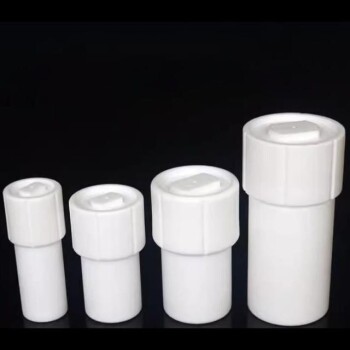
Our Teflon-lined autoclaves provide the ultimate barrier against acidic corrosion, while our broader portfolio—including muffle furnaces, vacuum systems, and crushing and milling equipment—supports your research from preparation to final analysis.
Ready to optimize your lab's performance? Contact our experts today to find the perfect reactor or consumable for your specific Mo-Ti-N synthesis and research needs.
References
- Hui Dai, Bin Dai. Activated Carbon Supported Mo-Ti-N Binary Transition Metal Nitride as Catalyst for Acetylene Hydrochlorination. DOI: 10.3390/catal7070200
This article is also based on technical information from Kintek Solution Knowledge Base .
Related Products
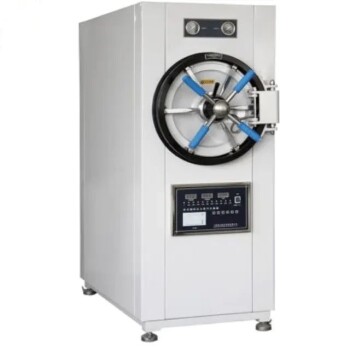
- Laboratory High Pressure Horizontal Autoclave Steam Sterilizer for Lab Use
- Stainless High Pressure Autoclave Reactor Laboratory Pressure Reactor
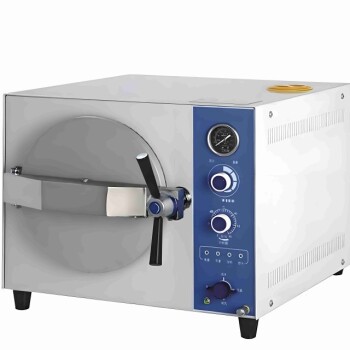
- Desktop Fast High Pressure Laboratory Autoclave Sterilizer 16L 24L for Lab Use
- High Pressure Laboratory Autoclave Reactor for Hydrothermal Synthesis
- Laboratory High Pressure Steam Sterilizer Vertical Autoclave for Lab Department
People Also Ask
- Why is a laboratory high-pressure autoclave sterilizer necessary? Ensure Accuracy in Antibacterial Research
- What is the role of a laboratory high-pressure autoclave in the conversion of furfural to piperidine? Optimize Yields
- What is the primary function of a laboratory autoclave in the pre-treatment of medical plastic waste for liquid fuel?
- What is an autoclave laboratory equipment? The Ultimate Guide to Steam Sterilization
- What is a laboratory autoclave? A Guide to Sterilization with Pressurized Steam