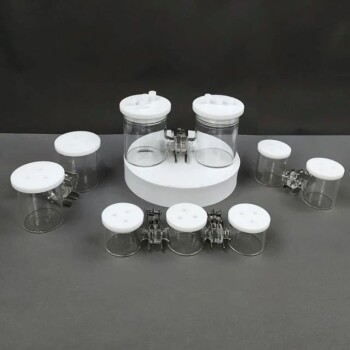
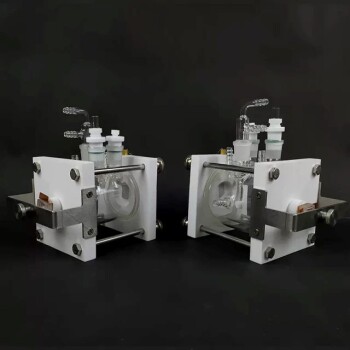
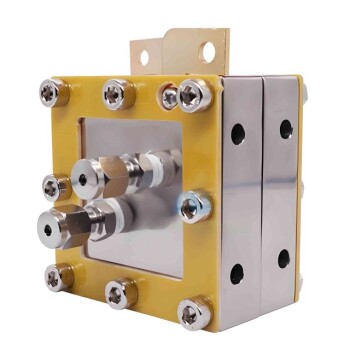
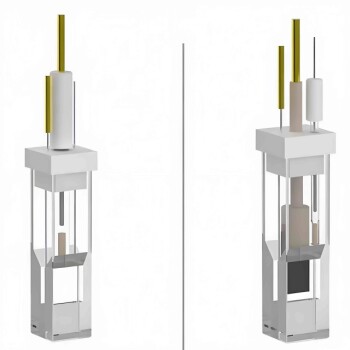
Acrylic (PMMA) is frequently the preferred material for electrolytic cells and fixtures because it uniquely bridges the gap between structural durability and experimental visibility. It serves a dual purpose: it acts as a robust engineering barrier against electrical and chemical stress while simultaneously functioning as a window into the process itself.
Core Takeaway: Acrylic provides a critical combination of electrical insulation and optical transparency, allowing researchers to prevent current leakage while visually monitoring the physical dynamics of electrolysis—such as bubble formation and electrode spacing—in real time.
Ensuring System Integrity
To function correctly, an electrochemical system must be isolated from external variables. Acrylic addresses the fundamental physical requirements of the cell design.
Preventing Current Leakage
The primary function of the fixture is to define the electrical path. Acrylic possesses excellent insulation properties, which effectively contain the electrical current within the intended circuit.
By acting as a dielectric barrier, it prevents stray currents from leaking out of the cell. This ensures that the energy input is utilized solely for the electrolysis process, maintaining high efficiency and experimental accuracy.
Withstanding Chemical Attack
Electrolytic environments are inherently aggressive, often involving acidic or alkaline solutions. Acrylic offers significant chemical corrosion resistance against these fluids.
This durability ensures the structural integrity of the cell over time, preventing degradation that could contaminate the electrolyte or compromise the mechanical stability of the fixture.
The Strategic Advantage of Transparency
While many materials are insulators, acrylic is chosen specifically for its high transparency. This optical clarity is not merely aesthetic; it is a functional requirement for process control and troubleshooting.
Monitoring Electrode Spacing
Precision in electrolysis often depends on the geometry of the setup. The transparency of acrylic allows experimentalists to visually inspect the gap between the nozzle and the workpiece.
maintaining this gap is critical for consistent current density and machining accuracy.
observing Fluid Dynamics
The behavior of the electrolyte directly impacts the reaction rate. Acrylic fixtures allow operators to observe the jetting morphology of the electrolyte flow.
This real-time visualization helps ensure that fresh electrolyte is reaching the reaction zone efficiently and that flow patterns are stable.
Managing Gas Evolution
Electrolysis generates gas byproducts which can insulate the electrode surface and disrupt the process. Through clear acrylic walls, operators can monitor the exclusion of bubbles.
If bubbles accumulate, they can be detected and flushed out immediately, preventing open circuits or uneven surface treatment.
Understanding the Trade-offs
While acrylic is highly effective for standard electrolytic setups, it is important to recognize the boundaries of its application based on its material properties.
Chemical Limitations
While acrylic resists many standard electrolytes, its corrosion resistance is not universal. It protects against the specific chemical environment of standard electrolysis, but care must be taken to ensure the specific electrolyte concentration does not exceed the material's compatibility limits.
Thermal and Mechanical Constraints
Acrylic is a thermoplastic, not a high-performance ceramic or metal. Its use is ideal for fixtures requiring insulation and visibility, but it may not be suitable for applications involving extreme temperatures or high mechanical loads that could deform the cell geometry.
Making the Right Choice for Your Goal
Selecting the right material for your electrolytic cell depends on which variable you need to control most.
- If your primary focus is Process Optimization: Choose acrylic to leverage its transparency, allowing you to visually tune flow rates and electrode gaps in real time.
- If your primary focus is Electrical Efficiency: Rely on acrylic for its insulation properties to eliminate stray currents and ensure precise current delivery to the workpiece.
Ultimately, acrylic is the definitive choice when the success of your electrochemical process relies on seeing what is happening inside the cell without compromising electrical isolation.
Summary Table:
| Feature | Benefit for Electrochemical Systems | Application Impact |
|---|---|---|
| Electrical Insulation | Prevents stray currents and leakage | Ensures high efficiency and experimental accuracy |
| Optical Transparency | Real-time visual monitoring | Allows inspection of electrode spacing and bubble formation |
| Chemical Resistance | Resists acidic and alkaline corrosion | Maintains structural integrity and prevents contamination |
| Fluid Dynamics | Visible jetting morphology | Ensures stable electrolyte flow and efficient reaction rates |
Elevate Your Electrochemical Research with KINTEK
Precision in the lab starts with the right materials. KINTEK specializes in high-performance laboratory equipment, including specialized electrolytic cells and electrodes designed for maximum durability and visibility. Whether you are optimizing fluid dynamics or managing complex gas evolution, our acrylic fixtures provide the transparency and insulation your research demands.
Beyond electrochemical systems, our portfolio features:
- High-Temperature Solutions: Muffle, tube, and vacuum furnaces.
- Sample Preparation: Crushing, milling, and hydraulic presses.
- Precision Control: High-pressure reactors, autoclaves, and cooling solutions.
Ready to optimize your cell design? Contact KINTEK today to discover how our expert engineering and comprehensive range of consumables can drive your next breakthrough.
References
- Junfeng He, Huazhuo Liang. Exploring Electrochemical Direct Writing Machining of Patterned Microstructures on Zr702 with Polyacrylamide Polymer Electrolyte. DOI: 10.3390/mi15091074
This article is also based on technical information from Kintek Solution Knowledge Base .
Related Products
- PTFE Electrolytic Cell Electrochemical Cell Corrosion-Resistant Sealed and Non-Sealed
- Super Sealed Electrolytic Electrochemical Cell
- Electrolytic Electrochemical Cell with Five-Port
- H Type Electrolytic Cell Triple Electrochemical Cell
- Electrolytic Electrochemical Cell Gas Diffusion Liquid Flow Reaction Cell
People Also Ask
- What is the necessity of selecting a PTFE electrolytic cell? Ensure Precise Graphene Corrosion Testing Accuracy
- What is the proper method for cleaning the surface of an all-PTFE electrolytic cell? Ensure Accurate Results with a Pristine Surface
- How should an all-PTFE electrolytic cell be stored after use? Expert Maintenance Tips for Long-Lasting Performance
- What is the proper cleaning method for an all-PTFE electrolytic cell? Essential Tips for Surface Integrity
- What are the standard opening specifications for all-PTFE electrolytic cells? A Guide to Sealed vs. Non-Sealed Ports