The configuration of cold traps and drying tubes is mandatory because the Water-Gas Shift (WGS) reaction generates a significant volume of unreacted water vapor. This moisture must be rigorously removed to prevent severe damage to downstream analytical instruments, specifically the micro-gas chromatograph (Micro-GC), and to ensure the validity of the analysis.
The primary objective is protecting the Micro-GC columns from corrosion and signal interference. By layering cold traps with desiccant-filled drying tubes, you ensure that only dry gas reaches the analyzer, guaranteeing both data accuracy and long-term instrument stability.
Understanding the Effluent Challenge
The Problem of Unreacted Steam
The WGS reaction inherently relies on steam as a reactant. Consequently, the effluent gas exiting the reactor is saturated with high volumes of unreacted water vapor.
The Sensitivity of Micro-GCs
Analytical instruments designed for gas analysis are generally intolerant of moisture. Introducing wet gas into a Micro-GC compromises the system's ability to isolate and identify gas components correctly.
The Two-Stage Moisture Removal Process
Stage 1: Bulk Condensation (Cold Traps)
The first line of defense is the cold trap, which utilizes cooling solutions to lower the gas temperature. This step forces the physical condensation of the bulk moisture, removing the majority of water from the gas stream immediately.
Stage 2: Fine Polishing (Drying Tubes)
Following the cold trap, the gas passes through drying tubes containing industrial desiccants, such as anhydrous calcium sulfate. This stage absorbs residual trace moisture that may have escaped condensation, ensuring the gas is thoroughly dried.
Why Protection is Non-Negotiable
Preventing Column Corrosion
Micro-GC columns are the heart of the analytical system and are highly susceptible to damage. Exposure to moisture leads to corrosion within these columns, which degrades their performance and shortens the lifespan of the instrument.
Ensuring Analytical Accuracy
Beyond physical damage, water vapor acts as a contaminant in the analysis. Thorough drying ensures the accurate detection of specific gas components, providing data that is stable and reproducible over the long term.
Operational Risks and Considerations
Desiccant Saturation
While effective, drying tubes have a finite absorption capacity. If the anhydrous calcium sulfate becomes saturated, moisture will bleed through to the analyzer, making regular monitoring and replacement critical.
The Necessity of Redundancy
Relying on a single method is often insufficient for WGS effluent. The cold trap reduces the load on the desiccant, preventing it from saturating too quickly, while the desiccant catches what the cold trap misses.
Ensuring Reliable Gas Analysis
To maintain the integrity of your WGS data and equipment, prioritize your setup based on these operational goals:
- If your primary focus is Equipment Longevity: Ensure your cold traps are operating at sufficient cooling capacity to remove the bulk of the water before it reaches the desiccants.
- If your primary focus is Data Precision: Regularly refresh your drying tubes with new anhydrous calcium sulfate to prevent trace moisture interference in your chromatograms.
A properly configured drying train is the baseline requirement for valid, high-quality WGS gas analysis.
Summary Table:
| Component | Primary Function | Primary Material/Method | Impact on Analysis |
|---|---|---|---|
| Cold Trap | Bulk moisture condensation | Cooling solutions | Reduces moisture load and prevents rapid desiccant saturation |
| Drying Tube | Residual moisture removal | Anhydrous calcium sulfate | Ensures bone-dry gas for stable and reproducible data |
| Micro-GC Column | Gas component separation | Specialized stationary phase | Protected from corrosion and signal interference |
Maximize Your Lab’s Analytical Precision with KINTEK
Don't let unreacted steam compromise your Water-Gas Shift research. KINTEK specializes in high-performance laboratory solutions, providing the robust high-temperature furnaces, reactors, and cooling solutions—including cold traps and freeze dryers—needed to maintain instrument integrity.
Our comprehensive range of consumables, from PTFE products to high-purity ceramics, ensures your gas analysis workflow remains uncontaminated and efficient. Whether you are conducting battery research or complex chemical synthesis, our technical experts are ready to equip your facility with the most reliable tools.
Ready to upgrade your laboratory setup? Contact KINTEK today to discover how our tailored equipment and consumables can enhance your research accuracy and protect your investment.
References
- Ga-Ram Hong, Hyun‐Seog Roh. The Effect of Precursor Concentration on the Crystallite Size of CeO2 to Enhance the Sulfur Resistance of Pt/CeO2 for Water Gas Shift. DOI: 10.3390/catal14020099
This article is also based on technical information from Kintek Solution Knowledge Base .
Related Products
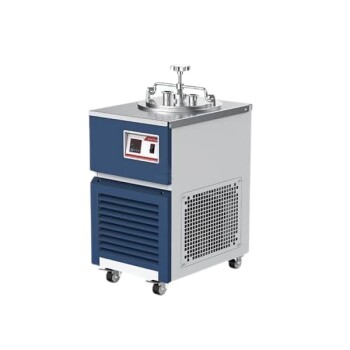
- Vacuum Cold Trap Direct Cold Trap Chiller
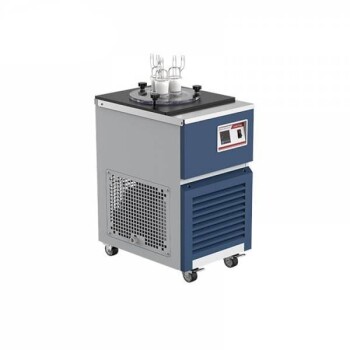
- Vacuum Cold Trap Chiller Indirect Cold Trap Chiller
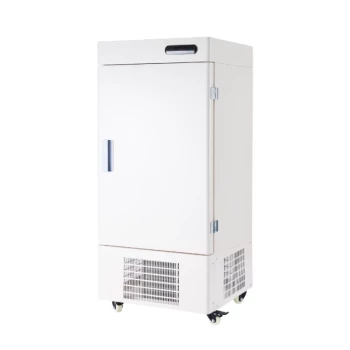
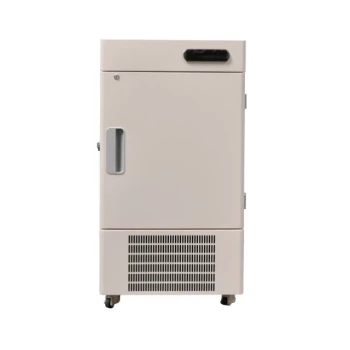
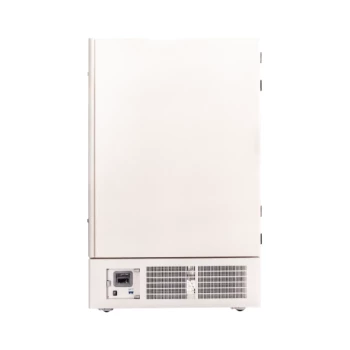
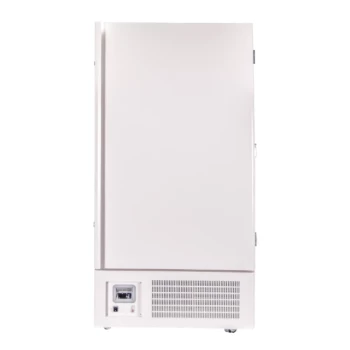
- 608L Essential Laboratory Ultra Low Temperature Freezer For Critical Sample Preservation
- 108L Vertical Ultra Low Temperature ULT Freezer
- 158L Precision Vertical Ultra Low Freezer for Laboratory Applications
People Also Ask
- What is the role of glass condensation components in arsenic collection? Optimize Niccolite Roasting & Kinetics
- Why is it necessary to configure efficient cold traps in membrane distillation? Ensure Flux Stability & Data Accuracy
- What is the purpose of connecting a cold trap at the reactor outlet? Protect Equipment and Analyze Liquid Products
- What is the primary purpose of a cold trap at a reactor outlet? Protect Analyzers & Ensure Data Integrity
- What is the function of a cold trap in bio-ethanol and methane reforming experiments? Optimize Purity & Protect Systems