Laboratory equipment requires high acid and pressure resistance because dilute hydrochloric acid (HCl) becomes extremely volatile and corrosive when heated to the necessary reaction temperature of 180 °C. At this threshold, the acid generates significant vapor pressure that standard vessels cannot contain, creating a high risk of leakage, equipment damage, and exposure to hazardous fumes.
While HCl is an effective catalyst for breaking down cellulose, the high thermal energy required for this reaction transforms the acid into a highly aggressive vapor. Success depends on using specialized containment, such as PTFE-lined reactors, to withstand the dual stress of high internal pressure and chemical corrosion.
The Chemical Context
The Function of Hydrochloric Acid
In the production of levulinic acid, HCl serves a critical catalytic role. The chloride ions present in the acid are highly effective at breaking the strong hydrogen bonds found in cellulose.
The Thermal Requirement
To successfully promote hydrolysis and convert cellulose, the reaction environment must be heated to approximately 180 °C. This high thermal input is necessary to drive the chemical conversion, but it drastically alters the physical behavior of the catalyst.
The Physical Challenges
Increased Volatility
At 180 °C, dilute HCl is no longer a stable liquid; it becomes highly volatile. The heat forces the liquid phase into the vapor phase, rapidly expanding the volume of the substance within the reactor.
Pressure Buildup
Because the reactor must be closed to maintain the reaction environment, this vaporization creates intense internal pressure. The equipment acts as a pressure vessel, requiring structural integrity far beyond what is needed for room-temperature reactions.
Aggressive Corrosivity
Heat accelerates chemical activity, making hot HCl vapor significantly more corrosive than its cool liquid form. This superheated acidic vapor attacks standard laboratory materials, degrading seals and metal components rapidly.
Understanding the Trade-offs
The Risk of Standard Seals
If the reactor lacks a precise, high-pressure sealing structure, the pressurized acid vapor will find the path of least resistance. This leads to leaks that release corrosive fumes into the laboratory environment.
Collateral Equipment Damage
Acid leaks do not just ruin the experiment; they actively destroy surrounding infrastructure. Leaking acid vapor can severely damage external heating elements, temperature sensors, and the reactor casing itself.
The Engineering Solution
The Necessity of PTFE Lining
To mitigate corrosion, the reactor interior must be lined with Polytetrafluoroethylene (PTFE). PTFE provides an inert barrier that resists the aggressive attack of superheated chloride ions, protecting the structural metal of the vessel.
Precision Sealing Structures
Material resistance alone is insufficient; the vessel requires a robust sealing mechanism. This ensures that the high vapor pressure generated at 180 °C is fully contained, maintaining the reaction stoichiometry and operator safety.
Ensuring Operational Safety and Integrity
Proper equipment selection is the difference between a successful yield and a hazardous containment failure.
- If your primary focus is process efficiency: Ensure your reactor can maintain 180 °C without fluctuation, as this temperature is critical for the chloride ions to effectively break cellulose bonds.
- If your primary focus is safety and longevity: Mandate the use of PTFE-lined reactors with high-pressure ratings to prevent corrosive leaks that will destroy heating elements and endanger personnel.
Invest in the right containment architecture to harness the power of HCl without falling victim to its volatility.
Summary Table:
| Feature | Challenge with Hot HCl (180 °C) | KINTEK Solution Required |
|---|---|---|
| Material Resistance | Extreme corrosion from chloride ions | PTFE-lined interiors for chemical inertness |
| Structural Integrity | Intense vapor pressure buildup | High-pressure rated reaction vessels |
| Sealing Mechanism | Volatile vapor leaks & hazardous fumes | Precision-engineered high-pressure seals |
| Equipment Safety | Rapid degradation of sensors & heaters | Robust containment to protect external components |
Secure Your High-Temperature Chemical Synthesis with KINTEK
When working with aggressive catalysts like hydrochloric acid at high temperatures, your choice of equipment determines both your yield and your safety. KINTEK specializes in precision-engineered high-temperature high-pressure reactors and autoclaves designed specifically to handle the dual stresses of intense pressure and extreme corrosivity.
Our PTFE-lined reactors and high-grade stainless steel vessels ensure that your research into levulinic acid and cellulose conversion remains safe and efficient. Beyond reactors, KINTEK offers a full suite of laboratory solutions, including crushing and milling systems, PTFE consumables, and cooling solutions to support every stage of your material science workflow.
Don't compromise your lab's safety or equipment longevity. Contact KINTEK today to find the perfect high-pressure reactor for your specific application requirements.
References
- Jialei Su, Xinhua Qi. High-Yield Production of Levulinic Acid from Pretreated Cow Dung in Dilute Acid Aqueous Solution. DOI: 10.3390/molecules22020285
This article is also based on technical information from Kintek Solution Knowledge Base .
Related Products
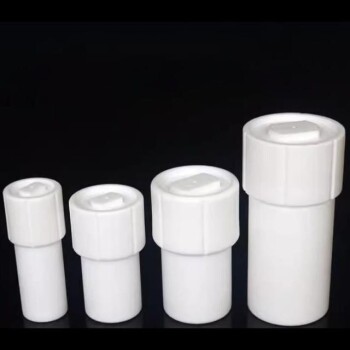
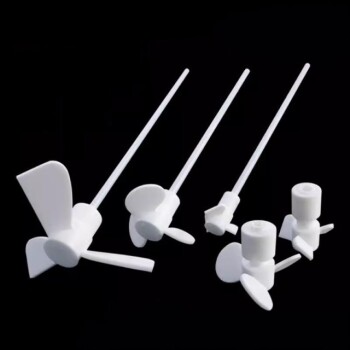
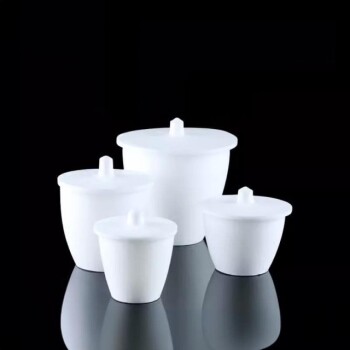
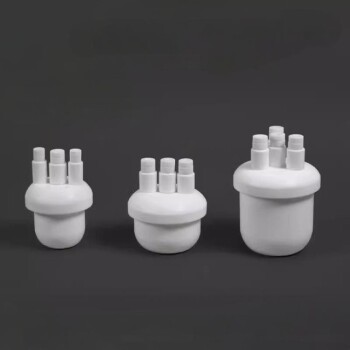
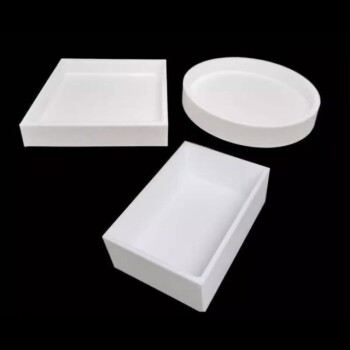
- Custom PTFE Teflon Parts Manufacturer for Hydrothermal Synthesis Reactor Polytetrafluoroethylene Carbon Paper and Carbon Cloth Nano-growth
- Custom PTFE Teflon Parts Manufacturer for Microwave Digestion Tank
- Customizable High Pressure Reactors for Advanced Scientific and Industrial Applications
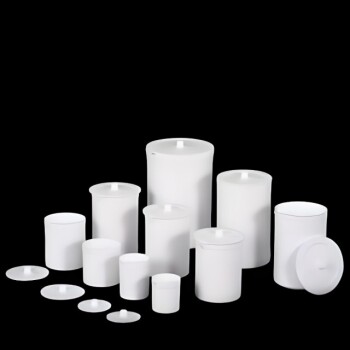
- Custom PTFE Teflon Parts Manufacturer for Reagent Wide Mouth Fine Mouth Sample High Temperature Bottles
- Stainless High Pressure Autoclave Reactor Laboratory Pressure Reactor
People Also Ask
- What is the function of a PTFE reactor in MXene etching? Ensure Safe, High-Purity MAX Phase Conversion
- Why is a PTFE reactor required for titanium-based nano-ceramic coating solutions? Ensure Chemical Inertness & Purity
- Why must a Polytetrafluoroethylene (PTFE) reactor be used for Ti3C2TX MXene etching? Ensure Safety and Purity
- Why are PTFE reactors preferred for silver phosphate glass testing? Ensure Purity and Kinetic Accuracy
- What are the advantages of using polytetrafluoroethylene (PTFE) liners in hydrothermal synthesis reactors? High Purity