PTC cartridge heaters are precision thermal devices designed to be inserted directly into containers or machine components to heat liquids and internal elements. These sealed units operate through direct contact, with electrical connections established via external leads, ensuring the heat source is safely embedded within the application.
The defining characteristic of a PTC cartridge heater is its self-regulating nature; the maximum temperature is physically limited by the specific design of the internal PTC ceramic, preventing overheating even without external thermostats.
Direct Immersion and Contact Heating
Sealed Design for Internal Use
PTC cartridge heaters are manufactured as sealed units. This robust construction allows them to be submerged or embedded without damaging internal components.
Targeted Heat Transfer
Unlike space heaters that warm the air, these devices are inserted directly into the target medium. They are specifically engineered to heat internal elements or liquids found within a container or housing.
External Connectivity
While the active heating element is submerged or embedded, the power source remains external. The electrical connection is securely made via outside leads that protrude from the sealed unit, ensuring safe operation away from liquids or high-heat zones.
Temperature Regulation and Safety
Intrinsic Temperature Limits
The safety profile of these heaters is dictated by the design temperature of the specific PTC (Positive Temperature Coefficient) material used inside the cartridge.
Self-Limiting Capability
Because the resistance of the PTC material rises sharply as it heats up, the heater naturally caps its own output. The maximum temperature inside your container is strictly limited by the PTC device's inherent design, eliminating the risk of thermal runaway common in traditional resistance heaters.
Understanding the Trade-offs
Application Specificity
It is crucial to distinguish cartridge heaters from other PTC configurations.
While PTC fan heaters use a blower to transfer heat into a large space, and PTC convection heaters use finned elements to create natural airflow, cartridge heaters do neither. They are strictly for direct conductive or convective transfer within a confined liquid or solid volume.
Thermal Lag
Because these heaters rely on heating a medium (liquid or solid) rather than blowing hot air, there may be a delay before the entire container reaches the desired temperature. The speed of heating depends heavily on the thermal conductivity of the material you are heating.
Making the Right Choice for Your Goal
PTC technology is versatile, but the form factor dictates the function.
- If your primary focus is heating a liquid or machine part: Choose a PTC Cartridge Heater for its sealed, immersible design and self-regulating safety.
- If your primary focus is heating a room or enclosure: Choose a PTC Fan or Convection Heater, as cartridge heaters are not designed to move heat effectively through open air.
By matching the heater's physical design to your specific thermal load, you ensure both efficiency and long-term system reliability.
Summary Table:
| Feature | PTC Cartridge Heater Specification |
|---|---|
| Heating Method | Direct Contact / Immersion (Conductive/Convective) |
| Design Type | Sealed, robust unit for internal use |
| Temperature Control | Self-regulating (Intrinsic Positive Temperature Coefficient) |
| Safety Feature | Built-in thermal limit prevents overheating |
| Ideal Applications | Liquid heating, machine components, internal thermal loads |
| Connectivity | External electrical leads for safe power supply |
Optimize Your Thermal Processes with KINTEK Precision
Are you looking to enhance the safety and efficiency of your laboratory or industrial heating applications? KINTEK specializes in advanced laboratory equipment and high-performance consumables. Whether you need precise thermal solutions like PTC cartridge heaters, or are outfitting your facility with high-temperature furnaces (muffle, vacuum, tube), high-pressure reactors, or crushing and milling systems, we provide the reliability your research demands.
Our experts are ready to help you select the perfect equipment—from PTC products and crucibles to battery research tools and cooling solutions—tailored to your specific technical requirements.
Contact KINTEK Today to Upgrade Your Lab Efficiency!
Related Products
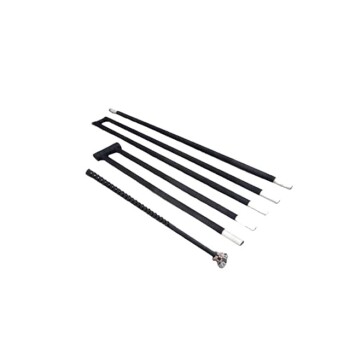
- Silicon Carbide SiC Thermal Heating Elements for Electric Furnace
- Infrared Heating Quantitative Flat Plate Press Mold
People Also Ask
- What is the function of the heating element in a furnace? The Engine of Your Thermal Process
- What is the best heating element for a furnace? A Guide to Selecting the Right Material for Your Temperature Needs
- What is SiC elements? The Ultimate High-Temperature Heating Solution
- How long does a heating element last on the furnace? Understand Lifespan & Safety for Your System
- What are silicon carbide heating elements used for? Reliable High-Temp Heating for Industrial Processes