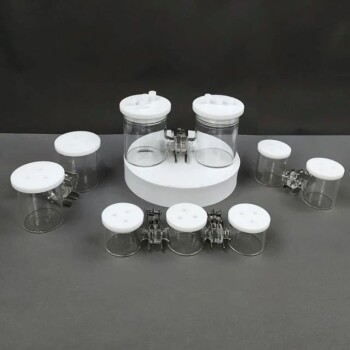
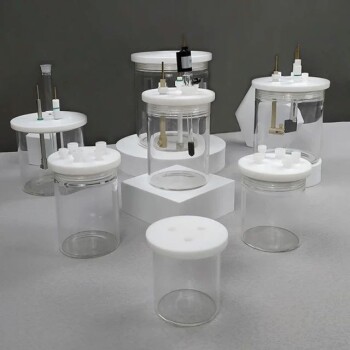
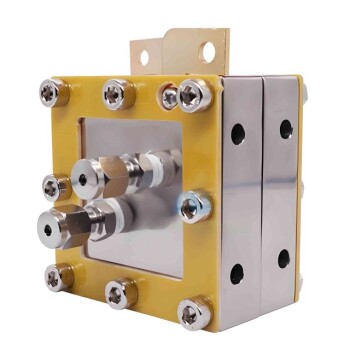
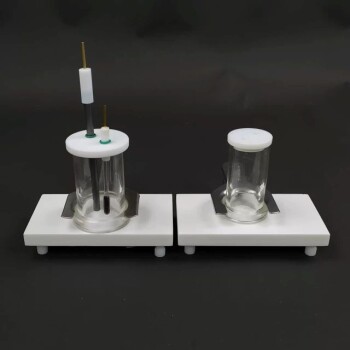
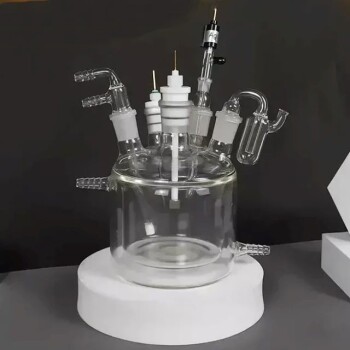
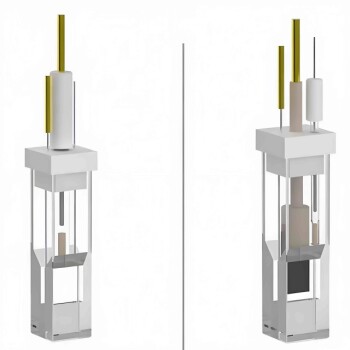
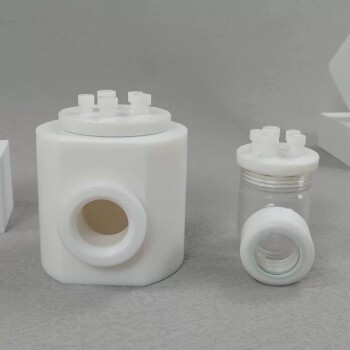
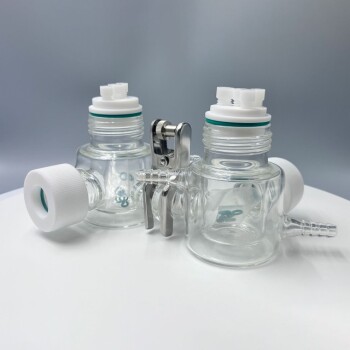
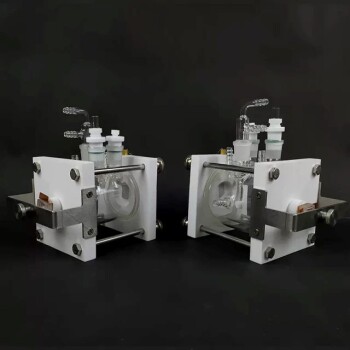
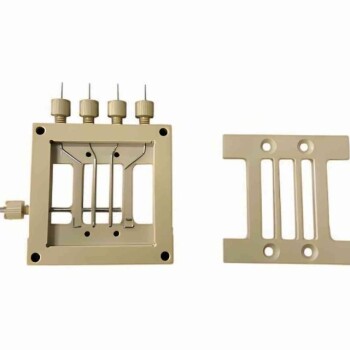
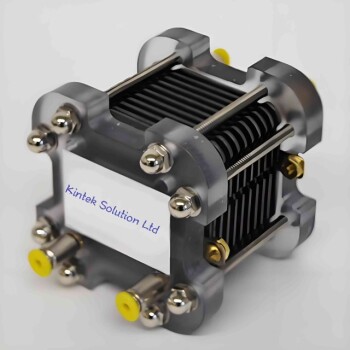
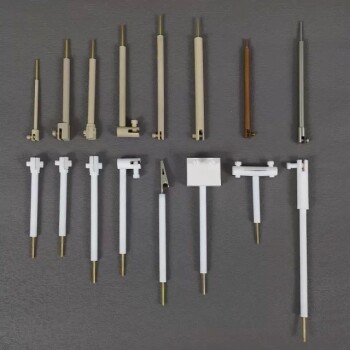
Customized three-electrode electrolytic cell systems act as a precision testing ground for water electrolysis catalysts, specifically designed to rigorously evaluate durability. By integrating with electrochemical workstations, these systems establish a standardized, acidic environment—typically using 0.5 M sulfuric acid—that allows researchers to subject catalysts to constant current loads for extended durations, often reaching 1,000 hours, to confirm long-term stability.
The core value of these systems lies in their ability to simulate industrial-grade corrosive conditions in a controlled setting. They isolate the catalyst's performance, allowing for the continuous monitoring of voltage fluctuations that signal the success or failure of stabilization strategies against metal dissolution.
Creating a Standardized Testing Environment
To accurately predict how a catalyst will perform in real-world scenarios, consistency is paramount.
Simulating Industrial Conditions
The customized cell system provides a stable platform for housing acidic electrolytes, such as 0.5 M sulfuric acid.
This specific chemical environment mimics the harsh, corrosive nature of industrial electrolysis.
By standardizing this environment, researchers ensure that test results are comparable and that the catalyst is facing a realistic stress test.
Integration with Electrochemical Workstations
The three-electrode cell does not operate in isolation; it is paired with a high-precision electrochemical workstation.
This integration allows for granular control over the electrical inputs applied to the system.
It transforms the physical cell into a data-rich environment capable of executing complex testing protocols.
The Mechanics of Long-Term Evaluation
Stability testing is not about a momentary snapshot of performance; it requires sustained pressure on the material.
Precise Galvanostatic Control
The primary method for testing stability in these systems is galvanostatic control.
This involves maintaining a constant current through the catalyst for extended periods, such as 1000 hours.
By keeping the current fixed, the system forces the catalyst to work at a steady rate, revealing how it handles prolonged operational stress.
Continuous Voltage Monitoring
As the current remains constant, the system continuously tracks voltage fluctuations.
A stable voltage indicates a stable catalyst, while fluctuations often signal degradation or surface changes.
This data is critical for evaluating the effectiveness of strategies designed to prevent metal dissolution, identifying exactly when and how a catalyst begins to fail.
Understanding the Trade-offs
While these systems are powerful "core platforms" for evaluation, they are simulations rather than full industrial deployments.
Simulation vs. Reality
The system provides a simulated industrial-grade environment, which is excellent for screening and optimization.
However, it isolates the catalyst from other factors found in a full electrolyzer stack, such as membrane degradation or flow field issues.
The Focus on Acidic Compatibility
The specific setup described relies on acidic electrolytes (0.5 M sulfuric acid).
This makes the system highly effective for testing acid-stable catalysts but requires different configurations for alkaline-based research.
Making the Right Choice for Your Goal
To maximize the utility of a customized three-electrode system, align your testing protocol with your specific research objectives.
- If your primary focus is validating commercial viability: Ensure your galvanostatic tests run for the full 1000-hour duration to prove long-term resistance to metal dissolution.
- If your primary focus is mechanism analysis: Monitor voltage fluctuations closely in the early stages to identify the specific onset of instability before total failure occurs.
Success in catalyst development depends not just on creating active materials, but on rigorously proving they can survive the harsh reality of long-term operation.
Summary Table:
| Feature | Specification/Description | Benefit for Stability Testing |
|---|---|---|
| Electrolyte Environment | 0.5 M Sulfuric Acid (H2SO4) | Simulates industrial-grade corrosive conditions |
| Testing Method | Galvanostatic Control | Maintains constant current to stress-test durability |
| Test Duration | Up to 1,000 Hours | Validates long-term commercial viability and resistance |
| Monitoring Metric | Voltage Fluctuations | Identifies metal dissolution and degradation patterns |
| Equipment Setup | 3-Electrode Cell + Workstation | Provides high-precision data and standardized results |
Accelerate your electrochemical research with KINTEK’s precision-engineered solutions. Whether you are developing acid-stable catalysts or advancing battery technologies, our comprehensive range of electrolytic cells, electrodes, and high-performance laboratory equipment—including high-temperature reactors, muffle furnaces, and hydraulic presses—is designed to withstand the most rigorous testing protocols. Ensure the long-term stability and commercial success of your materials by partnering with a leader in laboratory innovation. Contact KINTEK experts today to customize your testing setup!
References
- Yanrong Xue, Lu Xu. Stabilizing ruthenium dioxide with cation-anchored sulfate for durable oxygen evolution in proton-exchange membrane water electrolyzers. DOI: 10.1038/s41467-023-43977-7
This article is also based on technical information from Kintek Solution Knowledge Base .
Related Products
- H Type Electrolytic Cell Triple Electrochemical Cell
- Electrolytic Electrochemical Cell Gas Diffusion Liquid Flow Reaction Cell
- Electrolytic Electrochemical Cell with Five-Port
- PTFE Electrolytic Cell Electrochemical Cell Corrosion-Resistant Sealed and Non-Sealed
- Customizable PEM Electrolysis Cells for Diverse Research Applications
People Also Ask
- What is a H type cell? A Guide to Divided Electrochemical Cells for Accurate Experiments
- How should the electrolyte be prepared and added to the H-type electrolytic cell? Best Practices for Purity and Safety
- What is the technical necessity of using an H-type electrolytic cell for NO3RR tests? Protect Your Ammonia Yields
- How does the design of an H-type electrolytic cell benefit the neutral water electrolysis process for metal recovery?
- What is the primary function of an H-type electrolytic cell in NitRR? Ensure Accurate Product Yields