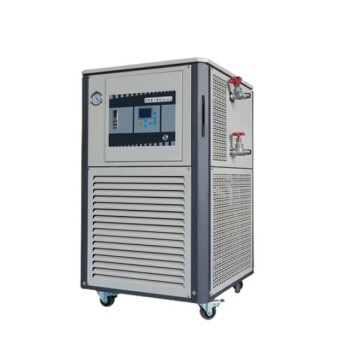
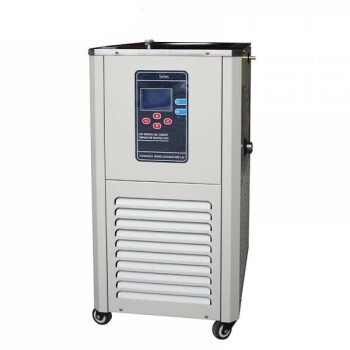
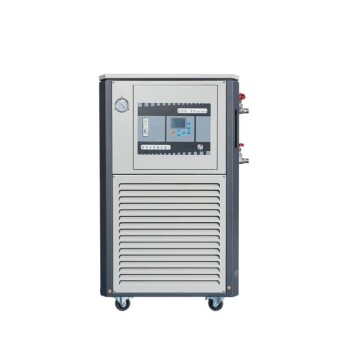
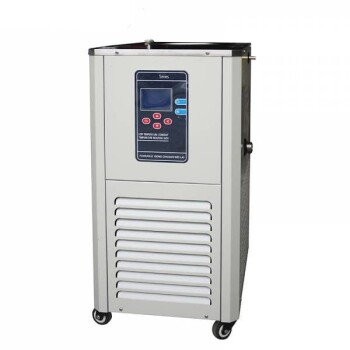
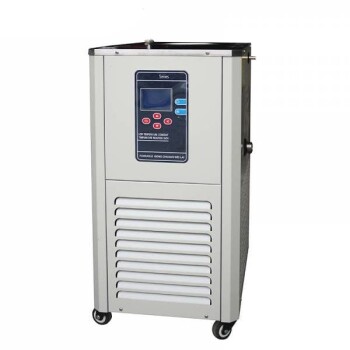
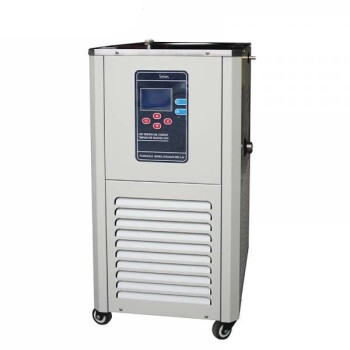
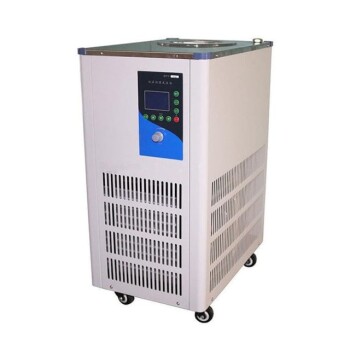
Thermal management is the critical lever for battery efficiency. The combination of a precision circulating thermostatic bath and silicone heating pads optimizes Zinc-Air Flow Battery performance by preheating the electrolyte to a precise target temperature, typically between 25°C and 55°C, before it enters the battery stack. This external thermal regulation ensures the system operates under conditions that favor efficient electrochemical reactions rather than ambient fluctuations.
By stabilizing the electrolyte at an optimal temperature of approximately 45°C, this system achieves a critical balance: it maximizes ionic conductivity and reaction speed while significantly minimizing the risk of water evaporation that leads to battery failure.
The Physics of Thermal Optimization
Boosting Ionic Conductivity
The primary benefit of this heating combination is the enhancement of ionic conductivity.
As the circulating bath and silicone pads warm the electrolyte, the fluid's viscosity decreases. This allows ions to move more freely and rapidly between the anode and cathode, reducing internal resistance within the cell.
Accelerating Reaction Kinetics
Temperature directly influences the rate at which chemical reactions occur at the electrodes.
By maintaining a preheated state, the system accelerates electrode reaction kinetics. This results in a more responsive battery capable of handling higher current densities and delivering power more efficiently.
Identifying the Thermal Sweet Spot
The 45°C Target
While the operational range lies between 25°C and 55°C, the primary reference data indicates that 45°C is the optimal operating point.
At this temperature, the battery operates at peak chemical activity without crossing the thermal threshold that triggers rapid degradation.
Minimizing Electrolyte Depletion
A major challenge in Zinc-Air batteries is the loss of water from the liquid electrolyte.
The precision of the thermostatic bath is vital here; it prevents the system from exceeding the temperature where water evaporation becomes unmanageable. Keeping the temperature controlled prevents the electrolyte from drying out, which is a primary cause of long-term performance degradation.
Understanding the Trade-offs
The Risk of Thermal Runaway
While heating improves performance, exceeding the 55°C upper limit introduces severe risks.
Excessive heat accelerates water evaporation drastically. This increases the concentration of the electrolyte to dangerous levels, potentially precipitating salts and clogging the flow channels, effectively destroying the battery's capacity.
Energy Overhead
Implementing a circulating bath and heating pads adds a parasitic load to the overall system.
The energy consumed to heat the electrolyte must be weighed against the performance gains. However, for high-performance applications, the gain in efficiency and power output generally outweighs the energy cost of running the thermal management system.
Making the Right Choice for Your Goal
To effectively apply this thermal management strategy, consider your specific operational priorities:
- If your primary focus is Peak Power and Efficiency: Target a steady electrolyte temperature of 45°C to maximize reaction kinetics and lower internal resistance.
- If your primary focus is Long-Term Stability: Operate at the lower end of the heating range (25°C - 35°C) to ensure zero water loss, prioritizing lifespan over immediate power output.
Precision temperature control is not just a safety feature; it is an active tuning tool for maximizing the electrochemical potential of your system.
Summary Table:
| Feature | Optimal Range | Impact on Performance |
|---|---|---|
| Temperature Target | 45°C | Maximizes chemical activity & ionic conductivity |
| Operating Window | 25°C - 55°C | Balances reaction kinetics with system safety |
| Ionic Conductivity | High | Reduced viscosity allows faster ion movement |
| Water Retention | Controlled | Prevents electrolyte evaporation and salt precipitation |
| Internal Resistance | Low | Higher current density and efficient power delivery |
Maximize Your Battery Research Precision with KINTEK
Achieving the perfect thermal 'sweet spot' is critical for the development of high-performance Zinc-Air Flow Batteries. At KINTEK, we provide the advanced laboratory tools necessary to maintain this delicate balance. From precision circulating thermostatic baths and custom silicone heating pads to our specialized battery research tools and consumables, we empower researchers to optimize reaction kinetics while ensuring long-term system stability.
Whether you are scaling up flow battery stacks or conducting fundamental electrochemical studies, KINTEK offers a comprehensive range of cooling solutions, high-temperature furnaces, and specialized reactors to meet your most demanding specifications.
Ready to elevate your lab's thermal management? Contact our technical experts today to discover how our tailored solutions can drive your energy storage innovations forward.
References
- Thangavel Sangeetha, K. David Huang. Electrochemical polarization analysis for optimization of external operation parameters in zinc fuel cells. DOI: 10.1039/d0ra04454g
This article is also based on technical information from Kintek Solution Knowledge Base .
Related Products
- High Temperature Constant Temperature Heating Circulator Water Bath Chiller Circulator for Reaction Bath
- 20L Heating Chilling Circulator Cooling Water Bath Circulator for High and Low Temperature Constant Temperature Reaction
- 50L Heating Chilling Circulator Cooling Water Bath Circulator for High and Low Temperature Constant Temperature Reaction
- 5L Heating Chilling Circulator Cooling Water Bath Circulator for High and Low Temperature Constant Temperature Reaction
- 30L Heating Chilling Circulator Cooling Water Bath Circulator for High and Low Temperature Constant Temperature Reaction
People Also Ask
- What is the necessity of a circulating water bath in chlorate production? Optimize Yield & Purity with Precision
- How do constant temperature circulators impact weight-loss immersion tests? Ensure Precision in Corrosion Analysis
- How does a constant temperature circulator support the leaching reaction of gold scrap? Optimize Gold Recovery Results
- Why is a constant temperature water bath used for precursor storage in CVD? Achieve Stable Nanocrystalline SiC Deposition
- Why is a high-precision constant temperature water bath necessary for anaerobic digestion? Ensure Success at 37±0.02°C