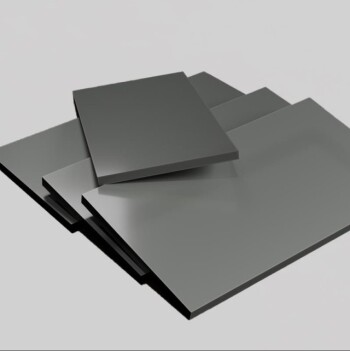
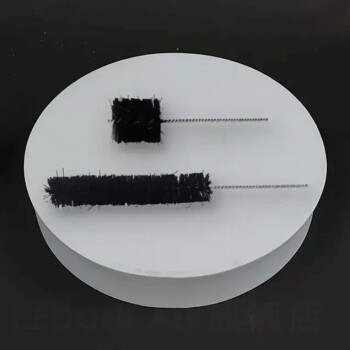
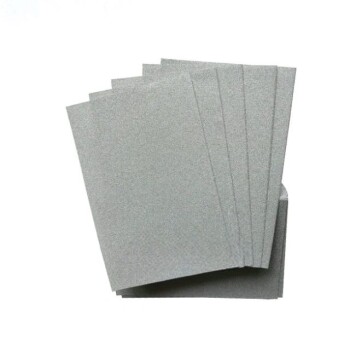
High surface area materials are the definitive choice for constructing anodes in Bioelectrochemical Systems (BES). Materials such as carbon brushes and carbon felt are preferred because they provide a vast, conductive three-dimensional framework. This structure maximizes the available surface area for electrogenic bacteria to colonize, directly linking biological growth to improved system performance.
Core Insight: The efficiency of a BES relies heavily on the interface between living microbes and the inorganic electrode. High surface area carbon materials optimize this interface by offering a conductive scaffold that supports dense microbial biofilms, ensuring efficient extracellular electron transfer and maximizing power output.
The Role of Electrode Architecture
To understand why these materials are superior, one must look beyond simple dimensions and understand the architecture of the anode.
Creating a Three-Dimensional Habitat
Standard flat electrodes offer limited space for microbial interaction. In contrast, carbon brushes and carbon felt possess a complex, porous structure.
This three-dimensional architecture transforms the anode from a simple surface into a volumetric habitat. It allows the system to utilize the entire volume of the electrode, rather than just the outer layer.
Maximizing Biofilm Density
The primary goal in a BES is to cultivate a robust community of electroactive microorganisms. The "extremely high effective surface area" of these materials provides ample real estate for microbial adhesion.
By increasing the surface area, you directly increase the carrying capacity for the biofilm. A denser biofilm translates to a higher concentration of biocatalysts working to generate current.
Enhancing System Performance
The physical structure of the anode directly influences the electrochemical efficiency of the system.
Optimizing Electron Transfer
Biofilms must transfer electrons outside their cells to the electrode surface to generate power. Carbon materials are preferred not just for their shape, but for their excellent electrical conductivity.
High surface area materials ensure that even microbes deep within the porous structure have a direct conductive path to the circuit. This facilitates efficient extracellular electron transfer.
Increasing Power Output
The combination of a large microbial population and efficient conductivity leads to a measurable increase in performance.
Primary references confirm that these features significantly enhance the overall power output of the system. The anode effectively becomes a more powerful engine driven by a larger workforce of bacteria.
Critical Considerations for Material Selection
While high surface area is the headline feature, it must be paired with specific chemical properties to be effective.
The Necessity of Chemical Stability
Surface area is useless if the material degrades over time. Carbon felt and brushes are selected for their chemical stability. They must withstand the corrosive and biologically active environment of the reactor without breaking down.
Biocompatibility is Non-Negotiable
The material must be hospitable to life. Carbon materials display high biocompatibility, encouraging rather than inhibiting the growth of electroactive microorganisms.
Application in Pollutant Degradation
Beyond power generation, these properties are critical for waste treatment. The enhanced interaction between microbes and the electrode significantly improves the degradation efficiency of recalcitrant pollutants, such as thiabendazole.
Making the Right Choice for Your Goal
When selecting anode materials for your Bioelectrochemical System, align your choice with your specific performance metrics.
- If your primary focus is maximizing power density: Prioritize materials like carbon brushes that offer the highest ratio of conductive surface area to volume to streamline electron flow.
- If your primary focus is pollutant degradation: Ensure the material provides a deep, porous structure (like carbon felt) to support the thick biofilms required to break down complex chemicals.
Ultimately, the selection of high surface area carbon materials is a strategic move to lower the resistance at the biological-electrical interface, unlocking the full potential of your bioelectrochemical system.
Summary Table:
| Feature | Benefit for Bioelectrochemical Systems (BES) |
|---|---|
| 3D Architecture | Provides a volumetric habitat for dense microbial colonization. |
| High Surface Area | Maximizes biofilm density and increases biocatalyst concentration. |
| Conductivity | Facilitates efficient extracellular electron transfer from microbes. |
| Chemical Stability | Ensures durability in corrosive and biologically active environments. |
| Biocompatibility | Encourages the adhesion and growth of electroactive microorganisms. |
Elevate Your Bioelectrochemical Research with KINTEK
Unlock the full potential of your Bioelectrochemical Systems (BES) with high-performance electrode materials from KINTEK. Whether you are focused on maximizing power density or accelerating pollutant degradation, our premium carbon brushes, felt, and specialized electrolytic cells and electrodes provide the ideal conductive scaffold for your research.
Beyond electrode materials, KINTEK offers a comprehensive range of laboratory solutions, including:
- High-Temperature High-Pressure Reactors & Autoclaves for advanced material synthesis.
- Crushing, Milling, & Sieving Systems for precise sample preparation.
- High-Temperature Furnaces (Muffle, Vacuum, CVD) for material carbonization and treatment.
- Battery Research Tools and essential consumables like PTFE and Ceramics.
Ready to optimize your microbial interface? Contact KINTEK today to discuss how our specialized equipment can enhance your laboratory’s efficiency and scientific output!
References
- Yasser Bashir, Sovik Das. Critical assessment of advanced oxidation processes and bio-electrochemical integrated systems for removing emerging contaminants from wastewater. DOI: 10.1039/d3su00112a
This article is also based on technical information from Kintek Solution Knowledge Base .
Related Products
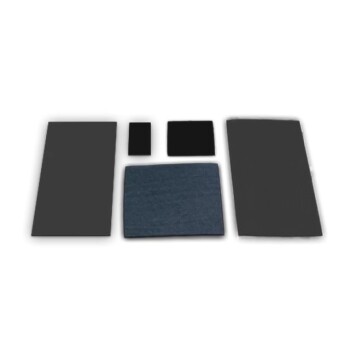
- Conductive Carbon Cloth Carbon Paper Carbon Felt for Electrodes and Batteries
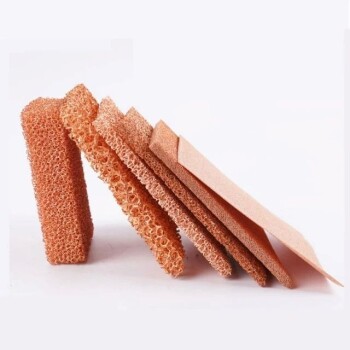
- Copper Foam
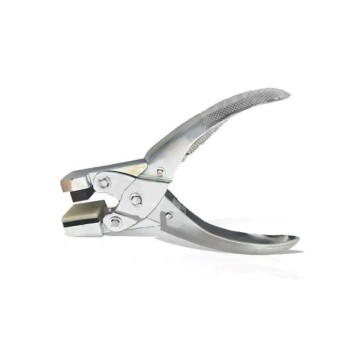
- Professional Cutting Tools for Carbon Paper Cloth Diaphragm Copper Aluminum Foil and More
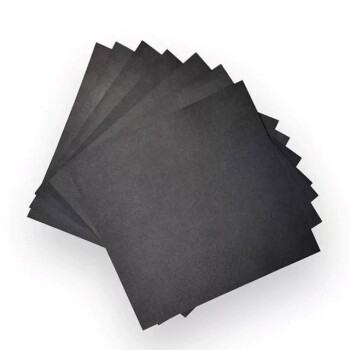
- Hydrophilic Carbon Paper TGPH060 for Battery Lab Applications
- Carbon Graphite Plate Manufactured by Isostatic Pressing Method
People Also Ask
- What are the electrode materials? A Guide to Choosing the Right Conductor for Your Application
- What are the examples of electrode materials? From Platinum to Graphite for Your Application
- How should carbon materials be cleaned before use? Ensure Peak Performance with Proper Prep
- What are carbon cloths used for? Conquer Static Dust on Electronics & Screens
- How can the electrolyte wettability of carbon cloth be enhanced? Unlock Superior Electrochemical Performance